
Assassin’s Creed Shadows is one of the most anticipated entries in Ubisoft’s long-running series. For years, fans begged for a mainline Assassin’s Creed set in feudal Japan – a setting that seems tailor-made for stealth, samurai duels, and political intrigue. Ubisoft finally delivered with Shadows, which places players in the shoes of two protagonists: Naoe, a shinobi assassin skilled in stealth and subterfuge, and Yasuke, a samurai warrior who embodies strength and direct combat.
The big question is: does Assassin’s Creed Shadows live up to the hype? With its dual protagonist system, seasonal world changes, and a shift back toward stealth, Shadows promises something fresh. But it also comes with drawbacks that might make certain players think twice. Let’s dig into the good, the bad, and who might find the most enjoyment from this ambitious installment.
Quick Answer: Should You Play Assassin’s Creed Shadows?
- Yes, if you’re a stealth fan: Shadows puts sneaking, assassinations, and planning back in the spotlight.
- Yes, if you love historical settings: Feudal Japan is stunning, with a dynamic seasonal system that changes gameplay.
- Yes, if you want flexibility: Play as Naoe for stealth or Yasuke for brute combat, switching styles as you like.
- Maybe not, if story is everything: The narrative can feel predictable, with some underdeveloped arcs.
- Maybe not, if repetition frustrates you: Mission variety and exploration depth are weaker points.
The Strengths of Assassin’s Creed Shadows
Dual Protagonists with Distinct Playstyles
One of Shadows’ headline features is its dual-protagonist system. Players can control Naoe, the shinobi, or Yasuke, the samurai. Naoe excels in infiltration, silent takedowns, and gadgets, while Yasuke dominates in head-on combat with heavy weapons and armor.
This duality isn’t just cosmetic – it dramatically changes how missions unfold. Sneaking across rooftops as Naoe feels entirely different from marching through the front gates as Yasuke. For long-time fans who felt the series tilted too far toward RPG-style brawling, Shadows offers a return to Assassin’s Creed’s stealth DNA while still accommodating players who prefer direct action.
A Gorgeous World with Seasonal Mechanics
Feudal Japan comes alive in Shadows. From snow-covered villages to golden autumn forests, the landscapes are not only beautiful but also mechanically meaningful. The seasonal system alters the environment in practical ways – frozen rivers in winter open new stealth routes, while heavy rain muffles footsteps.
This adds a layer of strategy to exploration and assassination. Timing your attacks with the environment creates scenarios that feel dynamic rather than scripted. Ubisoft’s world-building has always been a highlight of the series, and here it reaches new heights.
Refined Combat and Stealth Systems
Combat has seen meaningful refinements. As Yasuke, fights demand careful timing, parries, and an understanding of enemy patterns rather than simple button-mashing. Blows feel heavy, and finishers are visually satisfying.
Stealth gameplay, meanwhile, feels truer to the series’ roots. Missions encourage planning, scouting, and execution rather than brute forcing objectives. Recruiting scouts for intel and tracking targets with clues instead of highlighted waypoints makes assassinations feel earned.
Nonlinear Mission Design
Rather than pointing you directly to your target, Shadows often gives you clues and lets you figure out where to strike. This clue-based system creates more immersion – you might overhear guards, interrogate informants, or bribe locals to track down your quarry.
This approach gives players freedom. Do you slip in silently at night, or storm in during the day with Yasuke? That choice makes missions replayable and keeps the experience from feeling too scripted.
The Weaknesses of Assassin’s Creed Shadows
Story Predictability and Flat Characters
While serviceable, Shadows’ story often feels predictable. Major arcs lack the emotional punch of past entries like Assassin’s Creed Origins or Odyssey. Some characters, including important allies, feel underdeveloped.
The classic Assassin vs. Templar conflict – usually the backbone of the franchise – plays a reduced role here. For players invested in the series’ overarching lore, this may feel like a missed opportunity.
Exploration Feels Hollow at Times
The open world is stunning, but exploration doesn’t always feel rewarding. Beyond the beauty of the landscape, activities between main missions can fall into repetition. Side content sometimes lacks the richness to justify the long treks.
Players have noted that after dozens of hours, the novelty of exploration fades, and the map can feel more like a checklist than a living, breathing space.
Yasuke’s Combat Sometimes Feels Disconnected
While Yasuke is fun to control, his gameplay doesn’t always mesh with Assassin’s Creed’s traditional stealth focus. Some missions feel less natural when you’re encouraged to brute force encounters. The contrast between Naoe’s stealth and Yasuke’s combat is refreshing at first, but it can feel uneven over the long haul.
Repetition and Mission Variety
Despite efforts at nonlinear design, Shadows still falls back on familiar Assassin’s Creed patterns: infiltrate, assassinate, escape. While the environments and playstyles mix things up, the mission templates will feel familiar to anyone who’s played previous entries.
Replayability and Longevity
For players wondering how long Shadows lasts, the answer depends on your style:
- Main story only: ~30-40 hours.
- Story + side content: ~60-80 hours.
- Completionist run: 100+ hours.
Replayability comes from experimenting with different playstyles (stealth-heavy Naoe runs vs. Yasuke brawler builds) and revisiting missions to approach them in new ways. Seasonal changes and nonlinear objectives also add some incentive to replay certain sections.
That said, once you’ve finished the story, Shadows doesn’t radically reinvent the endgame loop. It’s more about replaying missions differently than diving into a fresh layer of content.
Who Should Play Assassin’s Creed Shadows?
Play if:
- You love stealth and want Assassin’s Creed to feel like Assassin’s Creed again.
- You’re fascinated by feudal Japan and want to immerse yourself in a beautifully realized setting.
- You enjoy flexibility in playstyle – switching between ninja-like infiltration and samurai power.
- You value refined combat systems that reward skill and timing.
Skip or wait for a sale if:
- You’re looking for a groundbreaking story – Shadows’ narrative doesn’t break new ground.
- You dislike repetition in open-world games.
- You expect huge variety in exploration activities.
- You’re hoping for a massive leap in innovation – Shadows is more refinement than reinvention.
Final Thoughts
So, is Assassin’s Creed Shadows worth playing?
For most players, the answer is yes – with caveats. Ubisoft delivers one of the series’ most beautiful worlds, a satisfying blend of stealth and combat, and a long-requested Japanese setting. Shadows feels like a return to the roots of the franchise, where patience, timing, and planning matter again.
But it’s not perfect. The story lacks punch, mission design can feel familiar, and exploration isn’t always as engaging as it looks. Yasuke’s segments, while fun, sometimes clash with the series’ stealth identity.
If you’re a fan of the franchise, Shadows is a must-play. If you’re new, it’s a solid entry point, especially if feudal Japan excites you. And if you’re skeptical, waiting for a sale might make the imperfections easier to swallow.
At its best, Assassin’s Creed Shadows is a rewarding stealth-action experience in a breathtaking setting. At its worst, it’s another Assassin’s Creed game treading familiar ground. Whether that’s worth it comes down to what you value most.

About the Author
Robert Davis may be middle-aged now, but he has always enjoyed playing video games. Just like others may like to curl up with a good book, he just prefers a different medium for story-telling. Now that life is much busier, he has to be choosy about which games he spends time on. And that's why Delayed Respawnse exists, because he's not the only one.
View all posts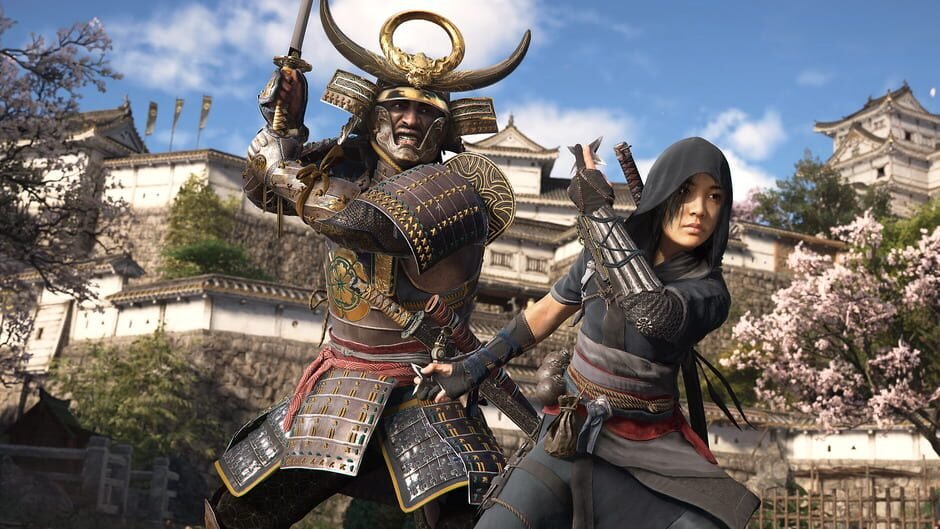
Quick Points
Is Assassin’s Creed Shadows Worth Playing?
Assassin’s Creed Shadows is worth playing for its stunning feudal Japan setting, dual-style gameplay, and return to stealth, but its predictable story and repetitive missions mean it’s best suited for fans who value atmosphere and flexibility over groundbreaking innovation.