
For decades, fans have dreamed of a modern Indiana Jones game that captures the thrill of exploration, the danger of ancient ruins, and the charm of everyone’s favorite fedora-wearing archaeologist. When Indiana Jones and the Great Circle was announced, expectations skyrocketed. MachineGames, known for its Wolfenstein series, promised a cinematic adventure that would honor the films while giving players control of Indy himself.
The question is simple but important: is Indiana Jones and the Great Circle actually worth playing?After spending time in its dusty tombs and perilous catacombs, the answer is… mostly yes. It’s not perfect, but it offers a fun, nostalgia-filled ride that feels unmistakably Indiana Jones when it’s at its best.
Verdict
Indiana Jones and the Great Circle is absolutely worth playing if you love exploration, puzzles, and cinematic adventure. It captures the heart of the films with strong visuals, clever level design, and genuine moments of discovery. Just be prepared for uneven pacing, some rough edges in combat, and a few underdeveloped story beats.
Capturing the Spirit of Adventure
Few games manage to feel this adventurous. From snowy peaks to forgotten temples deep in the jungle, The Great Circle thrives on scale and spectacle. You’ll climb, swing, crawl, and puzzle-solve through environments that feel handcrafted rather than procedurally stitched together.
Each chapter feels like a mini-film. One moment you’re in an ancient monastery dodging crumbling pillars, the next you’re sprinting through a desert ruin as an avalanche of sand bears down behind you. The game understands that Indiana Jones isn’t just about action – it’s about the joy of unearthing something lost to time.
The puzzles are a particular highlight. They blend logic with physicality: rotating mechanisms, aligning symbols, redirecting light beams, or manipulating ancient machinery. Solving them feels satisfying, and they’re balanced well between accessibility and challenge.
Gameplay Breakdown
Combat and Stealth
Combat isn’t bad, but it’s not groundbreaking either. Gunfights feel serviceable, and the whip – a series staple – is surprisingly fun in short bursts. You can use it to disarm enemies, swing across gaps, or yank weapons from foes, but don’t expect a complex combat system.
The stealth sections are a pleasant surprise. They’re not deep stealth in the Dishonored sense, but they reward patience and observation. Sneaking through a Nazi camp or infiltrating a dig site with the help of shadows and environmental tools feels rewarding.
Traversal and Interaction
The movement system strikes a nice balance between Uncharted-style climbing and puzzle-based platforming. Indy feels heavy, grounded, and occasionally clumsy – which fits his character. He’s not superhuman, but determined.
Environmental interactivity is another strong point. Push statues, climb ropes, move debris to uncover secret passages – these small touches make exploration feel hands-on rather than purely cinematic.
Story and Setting
Set between Raiders of the Lost Ark and The Last Crusade, Indiana Jones and the Great Circle leans heavily into that late-1930s pulp adventure tone. The story revolves around a mysterious geometric phenomenon known as the “Great Circle” and an artifact with global significance. Naturally, a power-hungry faction seeks it for its own ends, and it’s up to Indy to stop them.
The narrative is simple but effective, moving briskly from one exotic location to the next – Cairo, Nepal, Rome, and an uncharted island that houses the final act. Fans of the films will appreciate the blend of myth and history that gives the plot its backbone.
Supporting Characters
Indy’s supporting cast is a mixed bag. Some companions have charm and solid performances, while others feel underwritten. The main villain is memorable – charismatic, calculating, and larger-than-life – but some side characters exist mainly to deliver exposition.
Still, the dialogue feels authentic. There’s a pulpy energy to it, especially during exchanges between Indy and his enemies. The writing never loses sight of who he is: sarcastic, smart, and always walking the line between danger and humor.
Presentation and Technical Quality
MachineGames built The Great Circle on a modified idTech engine, and visually, it’s a stunner. The lighting in tombs and the way dust and torchlight interact with stonework are genuinely impressive. Water reflections, particle effects, and facial animation during close-ups make the game feel cinematic from start to finish.
The music deserves special mention. The orchestral score channels John Williams without feeling like a copy. Brass swells at the right moments, and quieter scenes are layered with subtle string arrangements that fit the atmosphere.
Performance varies by platform. On Xbox Series X and high-end PCs, it runs smoothly most of the time, though you’ll see occasional frame dips in large outdoor scenes. The PlayStation version shows more texture pop-in, but nothing game-breaking. Minor bugs exist – mostly clipping and occasional NPC pathing – but patches have addressed many early complaints.
Exploration and Discovery
What really sets The Great Circle apart is its commitment to exploration. Hidden rooms, branching corridors, and secret treasure caches make every level worth revisiting. Collectibles aren’t just filler – they unlock lore, sketches, journal entries, and voice logs that enrich the story world.
If you’re the type who loves scouring every corner for hidden switches or deciphering clues left centuries ago, this game rewards your curiosity. The best moments aren’t the gunfights – they’re the quiet seconds when a puzzle clicks and a hidden passage slides open to reveal a breathtaking chamber.
Weak Points
Repetitive Midgame
The middle third drags. Once you’ve learned the game’s puzzle and combat rhythms, new ideas arrive slowly. You’ll still be entertained, but the spark fades temporarily before the finale ramps things back up.
Combat Depth
Gunplay and melee systems are fine but not deep. After a few hours, most encounters feel familiar. The whip, while fun, is underused outside of scripted moments.
Story Predictability
Fans of adventure storytelling will see many twists coming. The plot hits familiar beats – ancient artifact, shadowy enemy, global chase – without reinventing them.
Technical Roughness
While not severe, minor bugs and loading hitches occasionally break immersion. Expect the occasional odd animation or missed lip-sync line.
Replayability and Time Investment
- Main Story: 14-18 hours if you focus on key missions.
- Story + Exploration: 22-28 hours for a balanced run that includes side puzzles and collectibles.
- Completionist: 35+ hours to uncover every secret chamber, hidden relic, and lore entry.
There’s also replay value in revisiting chapters with unlocked abilities, as well as post-game challenges that reward completionists. While it’s not an endlessly replayable title, it offers a satisfying loop for fans of treasure hunting and exploration.
Comparisons and Context
If you’ve played Uncharted or Tomb Raider, this game sits somewhere in between. It’s not as fluid as Uncharted 4, but it’s more mechanically rich than Shadow of the Tomb Raider. It trades polish for atmosphere – less acrobatics, more grounded archaeology.
Where Uncharted is about spectacle and witty banter, Indiana Jones and the Great Circle leans more into mystery and physical exploration. You’re not just climbing for the sake of climbing – you’re studying clues, connecting ancient symbols, and piecing together forgotten stories.
Why It’s Worth Your Time
Indiana Jones and the Great Circle succeeds because it remembers what makes adventure games fun: discovery, danger, and curiosity. It’s not flawless, but it’s an experience that rewards patience and exploration. You don’t have to play it for perfect combat or groundbreaking storytelling – you play it because it lets you feel like Indiana Jones.
If you enjoy uncovering secrets, solving ancient mechanisms, and hearing that triumphant musical cue as a temple door opens, this game delivers exactly that.
Who Will Enjoy It
Best For:
- Fans of classic Indiana Jones and adventure cinema
- Players who value exploration, puzzles, and atmosphere
- Those who enjoyed Uncharted, Tomb Raider, or A Plague Tale: Requiem
- Gamers looking for a focused 20-hour adventure rather than a massive open world
Might Want to Skip If:
- You expect cutting-edge combat systems or deep RPG mechanics
- You prefer choice-driven narratives or moral branching
- You’re easily frustrated by minor technical hiccups
Final Thoughts
Indiana Jones and the Great Circle isn’t trying to reinvent the adventure genre – it’s celebrating it. When it’s firing on all cylinders, it’s one of the most immersive cinematic adventures in years. It has its flaws – uneven pacing, familiar story beats, and some repetition – but the highs far outweigh the lows.
If you’ve ever dreamed of cracking a whip, dodging booby traps, and outsmarting rival archaeologists, this is your chance. It may not be perfect, but it’s a heartfelt, pulpy, and thoroughly entertaining experience that earns its place alongside the best adventure games of the modern era.
Verdict: It’s not flawless, but Indiana Jones and the Great Circle is absolutely worth your time – especially if you love puzzle-driven exploration, cinematic storytelling, and that timeless thrill of uncovering the unknown.

About the Author
Robert Davis may be middle-aged now, but he has always enjoyed playing video games. Just like others may like to curl up with a good book, he just prefers a different medium for story-telling. Now that life is much busier, he has to be choosy about which games he spends time on. And that's why Delayed Respawnse exists, because he's not the only one.
View all posts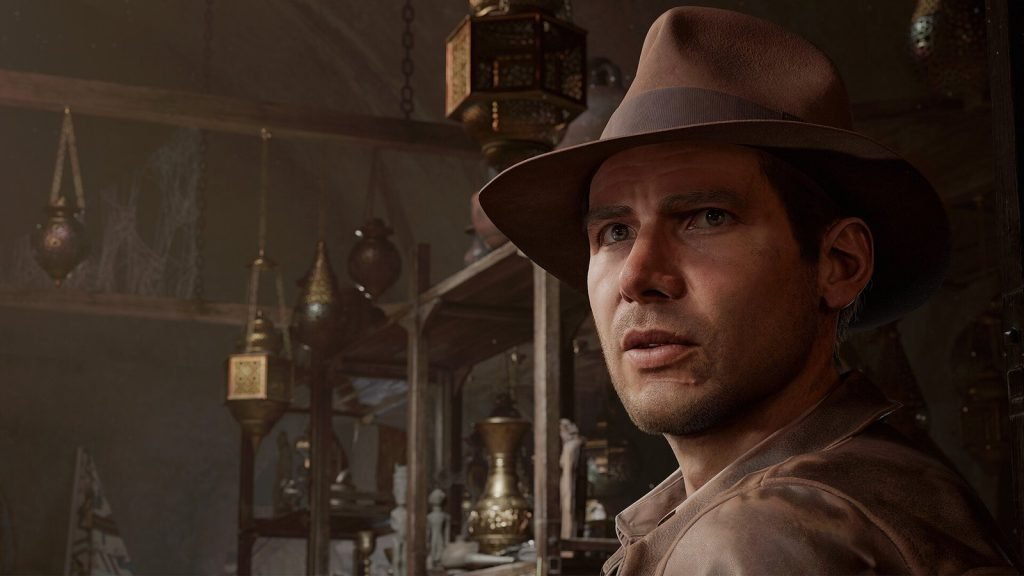
Quick Points
Is Indiana Jones and the Great Circle Worth Playing?
Indiana Jones and the Great Circle delivers classic adventure thrills with rich environments, clever puzzles, and an authentic cinematic tone that captures the essence of the films. It’s visually stunning and full of memorable set pieces, though midgame repetition and shallow combat keep it from greatness. Expect around 20 hours for a balanced playthrough, making it a solid pick for fans of exploration and story-driven action who want a focused, nostalgic adventure.