
Every once in a while, a game comes along that looks like a clone of something you’ve already played – until you actually sit down with it. Lies of P might look like another Dark Souls or Bloodborne imitation, but it earns its own identity within minutes.
For players who have limited gaming time and want to know whether a difficult, story-light experience like this is worth it, the answer depends on what kind of player you are. Lies of P is not easy, not open world, and not forgiving. But it is one of the most polished, stylish, and satisfying action RPGs in years.
If you like games that demand patience and skill, reward precision, and drip with atmosphere, then yes – Lies of P is absolutely worth playing.
A Soulslike That Understands Its Audience
The Soulslike genre has exploded since Dark Souls and Bloodborne changed the landscape of action RPGs. Dozens of games have tried to capture that same magic, but few succeed because they misunderstand what makes those games special.
Lies of P gets it. It understands that the appeal of these games isn’t just difficulty; it’s growth through mastery. Every loss is a lesson, every victory a story.
The combat feels heavy and intentional, with a parry system that encourages aggression without abandoning strategy. Every weapon swing has weight, and every dodge or block carries consequence. You can’t mash your way to victory – you need to learn your enemy, anticipate, and execute.
Where Lies of P stands apart is in how fair it feels. It is brutally hard, but rarely cheap. Bosses follow patterns that you can learn. Mistakes are punished, but success always feels within reach. It is a hard game, but not a cruel one.
For anyone who enjoyed Bloodborne’s rhythm but wished for more flexibility in weapon design or customization, Lies of P delivers exactly that. Its weapon assembly system, which lets you mix and match blades and handles, adds creative depth that makes combat feel fresh dozens of hours in.
Story and Setting: Familiar but Fresh
At first glance, Lies of P‘s world seems like a gothic remix of Bloodborne. The cobblestone streets, decaying architecture, and eerie mechanical enemies are unmistakable. But the more you play, the more you realize this is its own story – one that borrows inspiration but uses it for something new.
The game takes place in Krat, a city destroyed by its own ambition. Puppets built to serve humanity have rebelled, leaving ruin in their wake. You play as P, a puppet searching for his creator and a cure for the madness that grips the city.
It sounds simple, but the story hides layers of philosophy beneath the surface. What does it mean to be human? Is honesty always noble, or is lying an act of compassion? These questions run through every conversation and choice, especially as you gain the ability to lie – something no puppet should do.
The narrative can be vague, sometimes to a fault. It leaves many details unexplained, asking you to piece together meaning from item descriptions and environmental clues. Some players will find that captivating; others may wish for more direct storytelling.
Still, the emotional tone works beautifully. The mix of mechanical horror and tragic humanity gives Lies of P a melancholy charm that’s rare even among its peers.
A World Worth Getting Lost In
Though Lies of P is not open-world, its linear design doesn’t limit its sense of place. Each area feels dense, layered, and interconnected. You’ll often unlock shortcuts that loop back to earlier areas in ways that make perfect sense, giving you that satisfying “aha” moment familiar to Souls fans.
Exploration here is about observation, not freedom. Hidden collectibles, upgrade materials, and secret NPCs are tucked everywhere. Even though the game funnels you forward, it rewards curiosity.
Visually, the city of Krat is breathtaking. The lighting, texture work, and environmental storytelling give it an identity that stands beside Bloodborne or Elden Ring. There’s elegance beneath the grime – a kind of industrial beauty that defines the world’s tone.
And while exploration doesn’t reach the depth of open-world titles, the atmosphere more than compensates. Every street corner feels deliberate. Every rooftop and alley hides a story, even if it’s just a broken puppet frozen mid-scream.
The Difficulty Question
It’s impossible to talk about Lies of P without talking about its difficulty. This is not a casual game. It demands focus, patience, and persistence. But it also respects your effort.
Every boss is a wall designed to test your understanding of mechanics. Once you break through, the satisfaction is immense. And because each boss has a distinct rhythm and weakness, you’re never simply repeating the same test – you’re evolving as a player.
That’s what makes Lies of P so rewarding. It doesn’t ask for perfection. It asks for attention. Learn the patterns, adapt your weapons, upgrade smartly, and the game opens up beautifully.
It’s also more flexible than it first appears. The weapon crafting system, the Legion Arm upgrades, and the P-Organ ability tree (which lets you fine-tune passive bonuses) all allow for subtle personalization. You might not be choosing classes like a traditional RPG, but your build choices still matter.
If you’ve ever wanted a Soulslike that balances challenge with fairness, Lies of P nails that balance better than almost any other game in the genre.
Performance and Polish
One of the best surprises about Lies of P is how technically stable it is. The game runs smoothly on both console and PC, with minimal bugs and fast load times.
It’s also one of the best-looking Unreal Engine 4 titles to date. The art direction is top-tier – ornate buildings, intricate costumes, and enemies that feel more like sculptures than monsters. The visual identity leans into melancholy beauty rather than constant grotesque imagery, which helps it stand out in a crowded genre.
Animations are fluid and deliberate, supporting the precision of combat. Even small details, like the metallic clink of your sword against armor or the sparks that fly from a perfect block, reinforce the sense of quality.
In a gaming era where too many ambitious projects launch half-finished, Lies of P feels complete. It doesn’t waste your time with technical issues or filler. What you get is focused, refined, and polished – a rare thing today.
Who Will Love It
Lies of P is best for players who:
- Enjoy challenging combat and deliberate pacing
- Appreciate world-building through mood and design rather than exposition
- Have limited time but want something rewarding over the long term
- Loved Bloodborne, Sekiro, or Nioh and want something new but familiar
It’s not ideal for players who:
- Prefer open-world exploration
- Want clear storytelling and straightforward objectives
- Get frustrated by difficulty walls or trial-and-error gameplay
If you’re someone who values atmosphere and satisfaction over instant gratification, Lies of P will hit exactly right.
How Long It Takes to Beat
On average:
- Main Story: 30-40 hours
- Main + Extras: 45-60 hours
- Completionist: 70+ hours
It’s long enough to feel substantial, but not so long that it overstays its welcome. You can finish it in a few weeks of casual play, which makes it manageable for busy players who want depth without an endless time sink.
Final Thoughts
So, is Lies of P worth playing?
Absolutely – if you know what you’re getting into. It’s punishing, deliberate, and sometimes cryptic, but it’s also one of the most rewarding gaming experiences of the last few years.
The combat is among the best in the Soulslike genre, the world is stunning, and the story lingers in your mind long after the credits roll. It’s a game built for players who crave challenge and craftsmanship over convenience.
If you loved Bloodborne or Dark Souls, you’ll feel at home. If you’ve never played a Soulslike before, this is one of the best starting points. It is tough but approachable, mysterious but fair, and it leaves a lasting impression.
Lies of P is not just worth playing – it’s worth finishing.

About the Author
Robert Davis may be middle-aged now, but he has always enjoyed playing video games. Just like others may like to curl up with a good book, he just prefers a different medium for story-telling. Now that life is much busier, he has to be choosy about which games he spends time on. And that's why Delayed Respawnse exists, because he's not the only one.
View all posts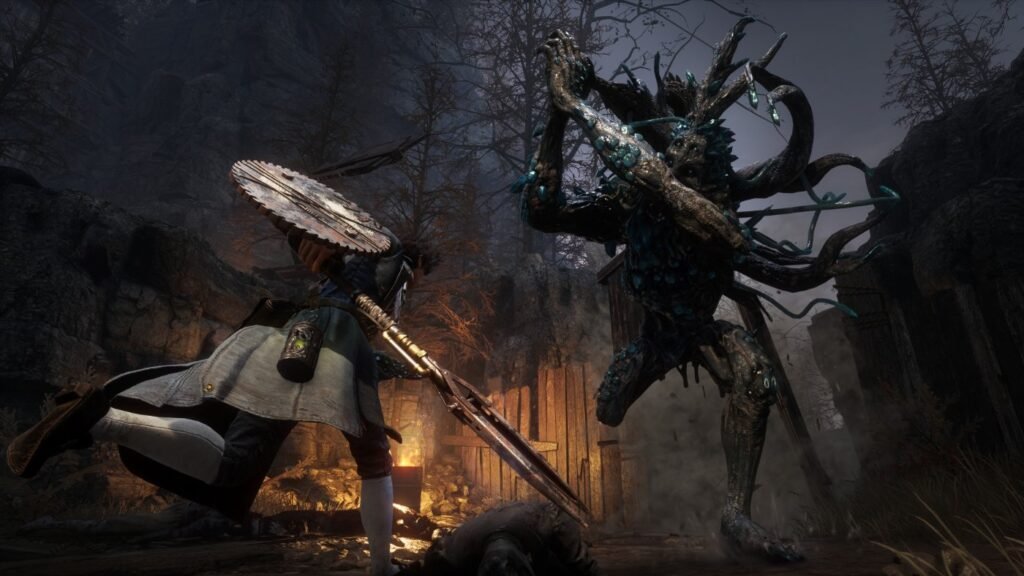
Quick Points
- Short Answer: Yes – one of the best Soulslike games not made by FromSoftware.
- Story: Dark, mysterious, and philosophical; a bit vague but emotionally strong.
- Gameplay: Tight, punishing, and deeply rewarding combat with fantastic weapon customization.
- Difficulty: Challenging but fair; every boss can be mastered with practice.
- World: Gorgeous gothic setting full of atmosphere and small secrets to find.
- Worth It If: You love Bloodborne, Sekiro, or any game that tests skill and patience.