
When Assassin’s Creed Shadows was first announced, fans had one collective reaction: “Finally.” After more than a decade of requests, Ubisoft’s stealth-action series has finally brought players to feudal Japan. But Shadows isn’t just a new setting – it’s a reimagining of what Assassin’s Creed can be. It borrows the best ideas from the franchise’s long history while introducing mechanics that feel fresh and deliberate.
For anyone who has been away from the series for a few years, Shadows might just be the perfect point to jump back in. It feels modern, purposeful, and surprisingly balanced between stealth and combat.
Two Characters, Two Perspectives
The most immediate difference in Assassin’s Creed Shadows is that you play as two very different heroes: Naoe, a nimble shinobi assassin, and Yasuke, a powerful samurai warrior. This pairing creates a natural contrast that runs through every part of the experience.
Naoe represents the older spirit of Assassin’s Creed – stealth, agility, and creativity. She relies on tools, shadows, and clever movement to complete objectives. Hiding under wooden floors, slipping beneath frozen ponds, or snuffing out lanterns to create darkness feels like a return to what made the early games special.
Yasuke, on the other hand, embodies the more recent era of Assassin’s Creed – the bold, RPG-driven approach seen in Origins, Odyssey, and Valhalla. He’s built for open combat, deflecting attacks, parrying samurai, and holding his own in large battles.
This dual structure gives Shadows something no Assassin’s Creed game has managed before: true playstyle freedom. Instead of one hero trying to do everything, each protagonist is tuned for a specific experience. You choose who to control for each mission, and your choices genuinely change how the story unfolds.
For players who miss the stealth of the early games but still enjoy the intensity of modern combat, Shadows offers both sides of the franchise in one game.
A World That Breathes With Seasons
The setting alone makes Shadows stand apart. The game takes place during Japan’s Sengoku period – a time of civil war, shifting alliances, and the rise of the ninja. But it’s not just the backdrop that feels different.
Ubisoft has introduced seasonal changes that actively shape gameplay. Fields bloom in spring, rain turns dirt paths into mud, and lakes freeze in winter, creating new stealth routes or obstacles. The world itself becomes a tactical layer. You might sneak through tall summer grass one mission and return months later to find the same area blanketed in snow, with footprints giving away your position.
Light and darkness also play a major role. Shadows now behave like part of the gameplay rather than set dressing. Extinguishing a lantern can create instant cover, while bright moonlight can expose you. It gives stealth a rhythm – moments of tension where every light source becomes a potential risk.
Previous Assassin’s Creed worlds were massive but static. Shadows feels alive, reactive, and grounded in its own environment. For players used to static open worlds, that sense of change brings the franchise closer to immersion than ever before.
Stealth Reimagined
Stealth has always been a defining trait of the series, but Shadows finally redefines what that means. Instead of the social stealth that dominated older games (blending into crowds, sitting on benches, or hiring groups to follow you), Shadows focuses on environmental stealth – hiding in tall grass, crawling under houses, or diving into water to disappear.
Naoe moves with more control than any assassin before her. She can prone crawl, slide through tight gaps, or even use bamboo snorkels to breathe while submerged. Combined with the new lighting system, this creates moments of genuine tension where timing and positioning matter more than simply being unseen.
Stealth kills are also more cinematic and dynamic. Enemies react more intelligently, alerting nearby guards if they catch glimpses of you. It feels more deliberate, more mechanical, and more rewarding.
For longtime fans who loved Assassin’s Creed II and Brotherhood, this shift is a return to focus – not on social tricks, but on actual stealth mastery.
Combat That Feels Distinct
The modern Assassin’s Creed era brought deeper RPG combat but sometimes lost the identity of the series in the process. Shadows finds a balance.
Yasuke handles heavy weapons and brute strength. Battles with him are tactile and forceful, rewarding parries, counters, and measured strikes. You feel the impact of every swing.
Naoe fights more fluidly, relying on precise dodges, daggers, and gadgets. Her combat resembles a faster, more agile version of the series’ classic swordplay.
Each character has unique skill trees and equipment progression, letting you develop them independently. But unlike Odyssey or Valhalla, Shadows trims the excess. There are fewer skill bloat options and less gear clutter. You’re upgrading strategically, not grinding endlessly.
That focus keeps combat exciting and personal, not overwhelming. For players who only have limited gaming time each week, it’s refreshing to feel like every hour spent actually pushes you forward.
Exploration With Intention
One of the biggest complaints in recent Assassin’s Creed titles was map overload. Players would climb a tower and suddenly be flooded with dozens of icons – question marks, collectibles, and side missions all demanding attention.
Shadows dials that back. The map is still large, but the design encourages discovery rather than obligation. Climbing a vantage point might reveal broad hints about a region, not hundreds of pins. Clues replace icons. Instead of chasing a marker, you’ll follow environmental details or overhear rumors to locate your next target.
This approach feels more natural and far less exhausting. It rewards curiosity without demanding completionism.
You can still lose hours exploring the countryside, scaling temples, or chasing side quests, but you do it on your terms. The pacing feels closer to Assassin’s Creed Origins, but more purposeful – a design philosophy that values exploration over endless errands.
Presentation and Performance
Built exclusively for modern consoles and PC, Assassin’s Creed Shadows looks and performs like a true next-generation game. The lighting and foliage systems make Japan feel authentic, and the shift between seasons gives the world a cinematic quality.
Animations are smoother, and parkour has been subtly refined. Climbing and movement feel closer to Unity’s precision than the looser style of Valhalla. Small touches, like the way characters adjust to sloped rooftops or slip through paper doors, make it feel grounded and tactile.
The music and environmental audio also help immerse you. From the quiet creak of wooden floors to distant rainfall, the atmosphere feels richer and more dynamic than any past entry.
This visual and mechanical polish is one of Shadows’ strongest arguments for being a fresh start. It’s designed from the ground up for today’s systems – no compromises, no outdated interfaces.
A New Approach to Storytelling
The story in Shadows feels smaller and more personal. Earlier games leaned on vast, world-changing conspiracies. Here, the focus returns to individual choices and relationships.
Naoe’s journey as a shinobi intertwines with Yasuke’s rise as a samurai. Their dynamic offers two perspectives on honor, duty, and rebellion. You’ll often see the same event through their opposing viewpoints, which adds depth and replay value.
While Shadows still connects to the long-running Assassin and Templar conflict, it doesn’t require you to remember every thread from past games. The narrative stands on its own. For returning players who dropped off after Black Flag or Origins, it’s easy to follow and emotionally grounded.
The supporting cast is strong too. Historical figures appear, but they never overshadow the core story. The balance of grounded storytelling and historical fiction makes Shadows one of the most cohesive narratives in the series.
Built for Modern Players
If there’s one consistent theme in Assassin’s Creed Shadows, it’s respect for the player’s time. Ubisoft clearly listened to years of feedback about bloat and repetition.
Progression feels earned but not endless. Side content exists, but it ties back into your main journey rather than feeling like filler. You can focus on main missions, dabble in exploration, and still feel like you’re getting a complete experience.
For players in their 30s or 40s who can only play a few hours a week, that matters. You don’t have to treat Shadows like a second job. You can make progress every session and still feel satisfied.
It’s the first Assassin’s Creed in years that feels truly approachable without sacrificing depth.
How It Stands Apart
When you step back and compare Shadows to earlier entries, the differences become clear.
- Dual protagonists offer the best of both worlds: stealth and combat.
- Stealth is finally built around player control and creativity.
- Seasonal and lighting systems add new layers of immersion.
- Exploration feels guided by curiosity rather than map clutter.
- Storytelling refocuses on character and consequence.
In short, Shadows does not just copy what worked before. It takes the franchise’s long identity crisis – between stealth and RPG, between realism and spectacle – and finds balance.
Final Thoughts
Assassin’s Creed Shadows is both a return to the series’ roots and a confident evolution. It respects what came before but refuses to stay stuck there. It is smaller in scope, tighter in focus, and smarter about how it uses your time.
If you walked away from Assassin’s Creed years ago, this is the entry worth coming back for. It understands that not every player has time for 200-hour maps or endless side missions. It just asks you to step into the world, experience the story, and play however you want – stealthy or bold, patient or relentless.
After all these years, Shadows finally brings the series full circle. It feels like Assassin’s Creed again – just built for the players we’ve become.

About the Author
Robert Davis may be middle-aged now, but he has always enjoyed playing video games. Just like others may like to curl up with a good book, he just prefers a different medium for story-telling. Now that life is much busier, he has to be choosy about which games he spends time on. And that's why Delayed Respawnse exists, because he's not the only one.
View all posts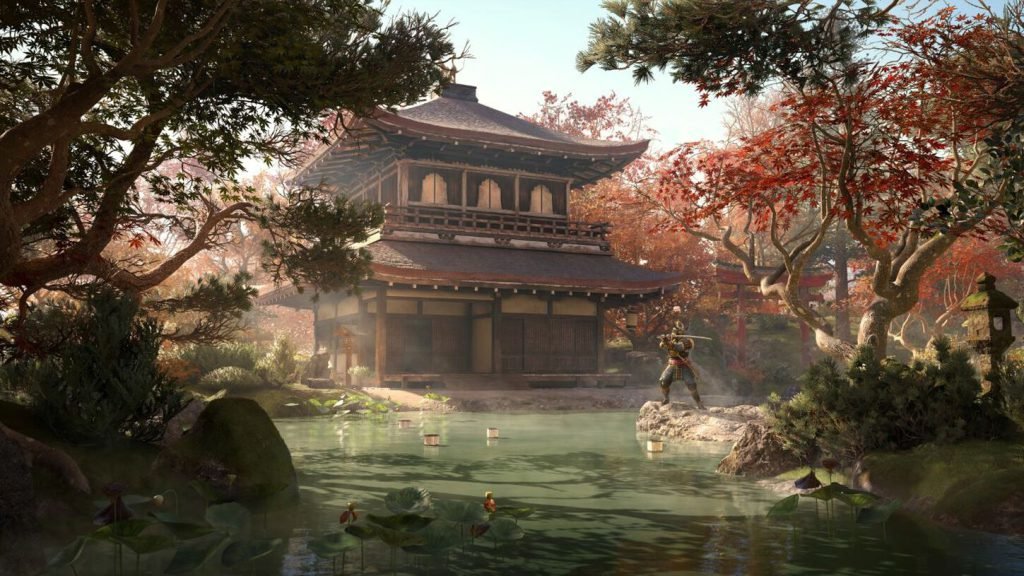
Quick Points
- Shadows introduces two playable characters, Naoe and Yasuke, each with distinct playstyles.
- Stealth is deeper, more tactile, and tied to light and shadow rather than crowds.
- The game uses seasonal changes and dynamic lighting to alter gameplay.
- Map design focuses on discovery and restraint instead of overwhelming icons.
- Combat and progression systems are cleaner, with fewer distractions.
- Built for current-gen hardware, it looks and feels sharper than any past entry.
- It’s both a return to form and a confident step forward for the series.