
For a long time, Lara Croft was one of the most recognizable characters in gaming. She was confident, athletic, fearless, and larger than life. In the original Tomb Raider games, Lara felt almost mythic. She was already a fully formed adventurer when players met her, exploring ancient ruins with calm confidence and a sharp wit. The games were about discovery and puzzle solving, but Lara herself rarely changed. She was an icon more than a character.
That changed with the reboot trilogy. Starting in 2013, Crystal Dynamics reimagined Lara Croft not as an established legend, but as a young woman pushed into extraordinary circumstances. Across Tomb Raider, Rise of the Tomb Raider, and Shadow of the Tomb Raider, players watched Lara grow from a frightened survivor into a capable and determined adventurer. This trilogy fundamentally reshaped who Lara Croft is, how she relates to the world, and how players understand her motivations.
Lara Croft Before the Reboot
Before the reboot, Lara Croft was defined by competence and confidence. She rarely doubted herself. She moved through dangerous environments with ease and seemed emotionally untouched by the violence and danger around her. That version of Lara worked well for the era. Games were more focused on mechanics than character development, and players accepted heroes who existed mainly to drive gameplay forward.
However, this approach also kept Lara at a distance. Players admired her, but they did not necessarily relate to her. Her backstory was thin, her emotional state was rarely explored, and her motivations were often implied rather than examined. She was an adventurer because that was who she was. The reboot trilogy set out to change that.
Tomb Raider (2013): From Survivor to Fighter
The 2013 reboot begins with Lara at her most vulnerable. She is young, inexperienced, and clearly unprepared for the horrors she faces on Yamatai. This version of Lara is scared, injured, and overwhelmed. The game intentionally strips away the power fantasy that defined earlier versions of the character.
This shift is most evident in how violence is portrayed. Lara’s first kill is not triumphant. It is messy and traumatic. The game forces players to sit with her reaction rather than rushing past it. This moment establishes a core theme of the trilogy. Becoming Lara Croft is not easy, glamorous, or painless. It is something she is forced into by circumstance.
Throughout the game, Lara evolves rapidly. She learns to fight, hunt, and survive, but she never feels detached from what she is doing. Her determination comes from protecting her friends and escaping the island, not from a love of adventure. By the end of the game, she is stronger and more capable, but still shaped by fear, loss, and trauma. This version of Lara earns her skills rather than starting with them.
Rise of the Tomb Raider: Obsession and Identity
Rise of the Tomb Raider takes place after Lara has already survived something unimaginable. Instead of returning her to a normal life, the game explores the psychological aftermath of that experience. Lara becomes obsessed with proving that what she saw on Yamatai was real. Her search for the Divine Source is driven as much by self-validation as it is by discovery.
This is where Lara’s character becomes more complex. She is no longer reacting to immediate danger. She is choosing to pursue ancient secrets, even when it puts her relationships at risk. Jonah serves as an emotional anchor in the story, often questioning whether Lara’s pursuit is worth the cost. This tension adds depth to Lara’s decisions and shows that her transformation is not purely heroic.
Rise balances vulnerability with growing confidence. Lara is far more capable than she was in the first game, but she is also more isolated. Her identity as a tomb raider begins to take shape here, not just as a survivor, but as someone driven by curiosity and belief. The game suggests that adventure is no longer just something that happens to Lara. It is something she actively seeks, even when it hurts.
Shadow of the Tomb Raider: Consequences and Responsibility
Shadow of the Tomb Raider completes Lara’s arc by forcing her to confront the consequences of her actions. At the start of the game, Lara’s obsession leads directly to disaster. Her impulsive decision sets off events that endanger entire civilizations. Unlike earlier games, Shadow does not frame this as an accident without blame. Lara is responsible, and the story does not let her forget it.
This version of Lara is confident and skilled, but also flawed. She believes she knows best, and that belief nearly destroys everything she is trying to protect. The game challenges the idea of the lone adventurer acting without accountability. Lara must learn that knowledge and power come with responsibility, not just excitement.
By the end of the trilogy, Lara reaches a new understanding of herself. She is still an explorer, but she no longer sees discovery as something that belongs to her alone. The final moments emphasize humility and restraint, a stark contrast to the fearless confidence of her earliest incarnations. This is not a rejection of Lara Croft’s legacy, but a redefinition of it.
How the Reboot Changed Player Connection
One of the most important changes in the reboot trilogy is how players connect to Lara. Earlier games asked players to admire her. The reboot asks players to empathize with her. Her injuries, doubts, and emotional struggles make her feel human in a way she never did before.
This shift also changes how players experience the world. Exploration feels more personal. Survival mechanics reinforce vulnerability. Even combat is framed as something Lara adapts to, rather than excels at naturally. These design choices support the character arc rather than overshadow it.
The trilogy also benefits from consistent voice acting and motion capture, allowing Lara’s emotions to come through in subtle ways. Her expressions, tone, and body language communicate growth just as much as the story itself.
What the Reboot Means for Lara’s Legacy
The reboot trilogy did not replace the original Lara Croft. It expanded her. By showing how Lara became who she is, the games added context and emotional weight to the icon. Players now understand not just what Lara does, but why she does it.
This version of Lara reflects broader changes in gaming. Characters are no longer expected to exist without internal conflict. Heroes can be vulnerable without being weak. Strength can come from growth rather than perfection. The reboot trilogy embraced these ideas and reshaped one of gaming’s most famous characters in the process.
Closing Thoughts
The Tomb Raider reboot trilogy transformed Lara Croft from an untouchable icon into a fully realized character. Across three games, players witnessed her fear, determination, obsession, and eventual growth into someone who understands the weight of her actions. This evolution did not diminish Lara Croft. It strengthened her.
By grounding the character in emotion and consequence, the reboot trilogy ensured that Lara Croft remains relevant in a modern gaming landscape. She is no longer just a symbol of adventure. She is a person shaped by it. And that change may be the most important evolution the series has ever made.

About the Author
Robert Davis may be middle-aged now, but he has always enjoyed playing video games. Just like others may like to curl up with a good book, he just prefers a different medium for story-telling. Now that life is much busier, he has to be choosy about which games he spends time on. And that's why Delayed Respawnse exists, because he's not the only one.
View all posts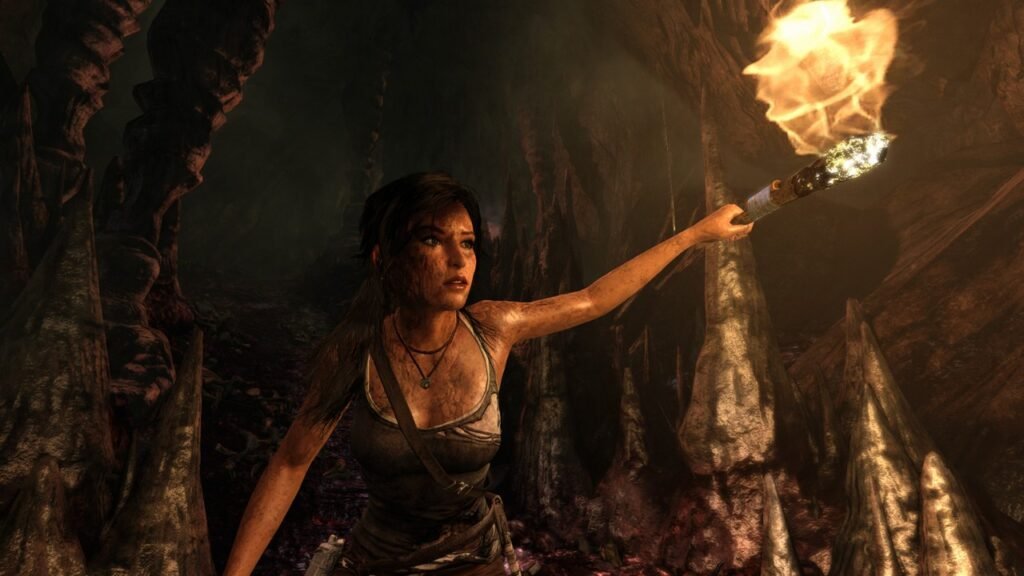
Quick Points
- Lara Croft evolved from a confident adventurer into a vulnerable, human survivor
- The reboot trilogy focused on emotional growth rather than pure power fantasy
- Combat shifted from stylish gunplay to desperate, weighty encounters
- Exploration became more grounded, emphasizing survival and discovery
- By Shadow of the Tomb Raider, Lara emerged as a balanced and fully realized character