Delayed Respawnse
  • About
  • Articles
  • Games
  • Franchises
  • Respawnses
  • Tier Lists
Find Your Next Game
  • Home
  • About
  • Articles
  • Games
  • Xbox
  • Playstation
  • Nintendo
  • PC
  • Franchises
  • Respawnses
  • How We Score Games
  • Tier Lists
  • Take Our Quiz
  • Join the Community
  1. /
  2. Tier Lists
  3. /
  4. Every Batman: Arkham Villain Ranked

Every Batman: Arkham Villain Ranked

The Batman Arkham series is remembered not just for its combat and atmosphere, but for its unforgettable villains. From iconic rogues like Joker and Scarecrow to deep-cut characters pulled straight from Batman lore, each antagonist leaves a distinct mark on Gotham and on Batman himself. This tier list ranks every major villain across the Arkham games based on their narrative impact, gameplay presence, memorability, and how effectively they challenge Batman throughout the series.

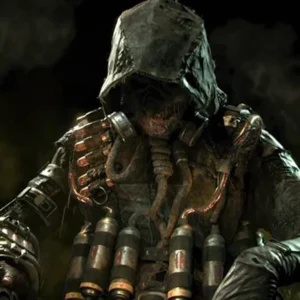
From Street-Level Threats to Gotham’s Greatest Fears

The Batman Arkham series delivered one of the strongest villain rosters ever assembled in a video game franchise. Across four main entries, Rocksteady and WB Montreal didn’t just throw iconic names at the player. They built layered antagonists who challenged Batman physically, psychologically, and morally. Some villains became unforgettable centerpieces, while others served as effective but smaller-scale threats that helped flesh out Gotham.

This tier list ranks Arkham’s villains based on narrative impact, memorability, boss design, and how well each character was used within the story.

S
The Joker
Scarecrow
Mr. Freeze
A
Bane
Ra’s al Ghul
Arkham Knight
Deathstroke
Hugo Strange
B
Penguin
Two-Face
Riddler
Poison Ivy
Harley Quinn
C
Killer Croc
Clayface
Mad Hatter
Hush
Solomon Grundy
D
Deadshot
Firefly
Professor Pyg
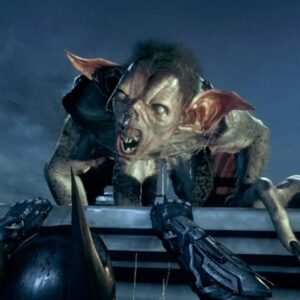
Man-Bat
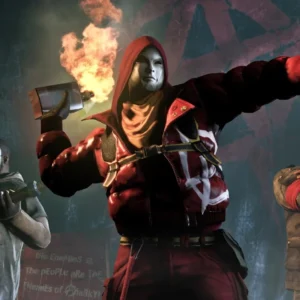
Anarky
Victor Zsasz
Copperhead
S Tier

The Joker

Joker is the defining force of the Arkham series. From Asylum to City and even beyond his death in Knight, he dominates the narrative through presence, manipulation, and psychological warfare. Mark Hamill’s performance elevates every scene, and Joker’s relationship with Batman drives the emotional core of the trilogy. No other villain leaves a comparable imprint on the series.


Scarecrow

Scarecrow evolves from a side threat in Asylum into the main antagonist of Arkham Knight. His fear toxin sequences are some of the most memorable moments in the franchise, and his slow, methodical plan to break Batman psychologically feels earned. Scarecrow succeeds because he understands Batman better than almost anyone else.


Mr. Freeze

Mr. Freeze stands out because of emotional depth. His boss fight in Arkham City is often cited as one of the best in gaming, not just because of mechanics, but because of the character behind it. Freeze is not evil for power or chaos. He is driven by love and desperation, which makes him tragic rather than monstrous.

A Tier

Bane

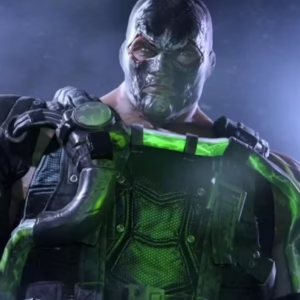
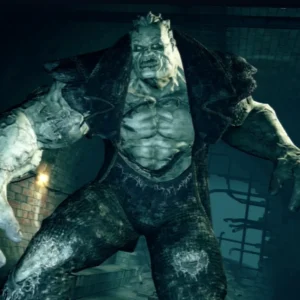
Bane is used differently across the series, but his strongest moments come when he is portrayed as intelligent and physically dominant rather than a simple brute. His history with Batman and his willingness to sacrifice himself for his ideals give him weight. While not always central, Bane feels dangerous whenever he appears.


Ra’s al Ghul

Ra’s brings philosophical conflict into the Arkham universe. His ideology clashes directly with Batman’s code, and his presence adds mythic scale to the story. The Demon Trials in Arkham City are visually striking and thematically rich, reinforcing Ra’s as more than just another boss fight.


Arkham Knight

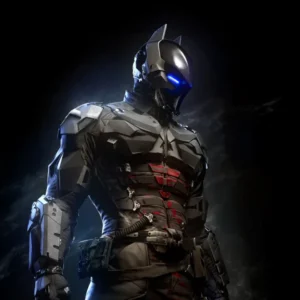
As a character, the Arkham Knight is compelling because of his personal connection to Batman. His anger, trauma, and sense of betrayal drive Arkham Knight‘s story forward. While the reveal was predictable for some players, the emotional payoff and confrontation still land strongly.


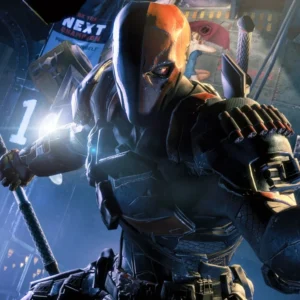
Deathstroke

Deathstroke’s Arkham Origins boss fight remains one of the best one-on-one encounters in the series. He is a pure test of skill and timing, and his presence commands respect. Although underused later, his initial impact secures his place in the upper tier.


Hugo Strange

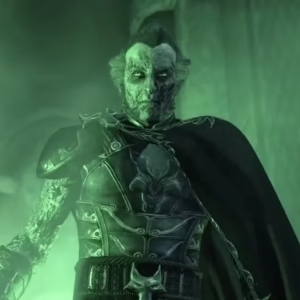
Hugo Strange works because he attacks Batman’s identity rather than his body. His knowledge of Bruce Wayne and his manipulation of Arkham City‘s power structure make him a chilling antagonist. He feels like a genuine intellectual threat, even if his role ends abruptly.

B Tier

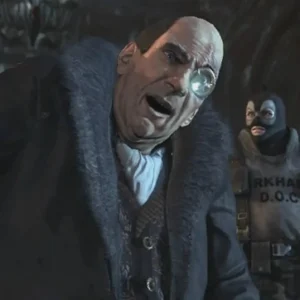
Penguin

Penguin thrives as a crime boss rather than a mastermind. His obsession with control and his territorial instincts make him a constant nuisance. While not deeply complex, he adds texture to Gotham’s criminal ecosystem and provides solid mid-tier conflicts.


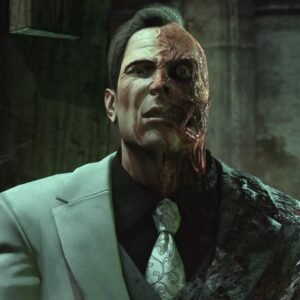
Two-Face

Two-Face’s duality is central to his character, but the Arkham games mostly use him as a recurring criminal presence rather than a fully explored tragedy. He works well mechanically and thematically, but never quite reaches his full narrative potential.


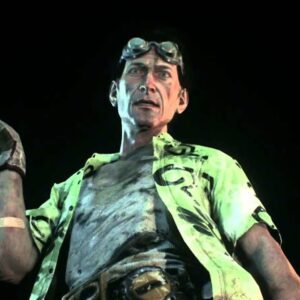
Riddler

Riddler is divisive, but effective. His puzzles are iconic and his obsession with proving superiority over Batman fits perfectly. While his constant taunting can be exhausting, no other villain adds as much optional content or long-term engagement.


Poison Ivy

Poison Ivy’s relationship with Harley and her shifting alignment make her more interesting than a standard eco-terrorist villain. She plays a meaningful role in Knight, especially during Gotham’s collapse, even if she never fully dominates the story.


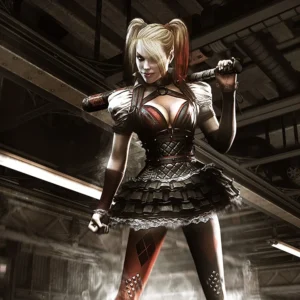
Harley Quinn

Harley evolves significantly across the series. Initially comic relief, she grows into a dangerous and emotionally unstable wildcard. Her loyalty to Joker and eventual independence give her a clear arc, even if she rarely takes center stage.

C Tier

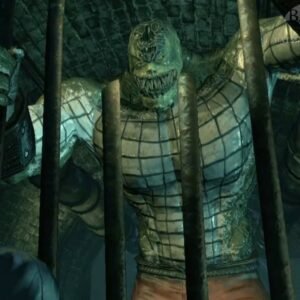
Killer Croc

Croc is most effective as a horror element rather than a narrative driver. His sewer encounters are tense and memorable, but he lacks long-term development. He works best as a monster in the dark.


Clayface

Clayface’s reveal in Arkham City is clever and well executed, but his role is brief. He serves the story well in the moment, though he lacks lasting presence.


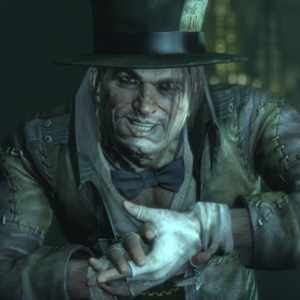
Mad Hatter

Mad Hatter’s mind control sequences are unsettling and creative, but his limited screen time keeps him from ranking higher. He excels as a side villain rather than a major threat.


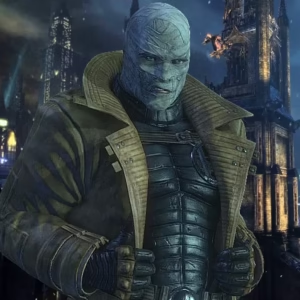
Hush

Hush has one of the strongest setups but one of the weakest payoffs. His potential is enormous, yet his storyline never fully capitalizes on it. He remains frustrating rather than fulfilling.


Solomon Grundy

Grundy’s boss fight is atmospheric and visually striking, but he functions more as a spectacle than a character. He adds variety without narrative depth.

D Tier

Deadshot

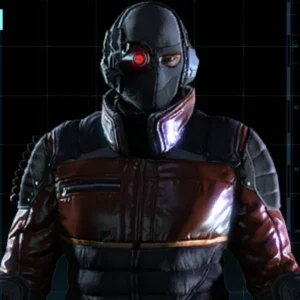
Deadshot’s concept is strong, but his execution is limited. He functions more as a mechanical challenge than a character-driven villain.


Firefly

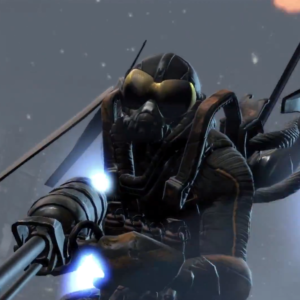
Firefly offers exciting traversal-based encounters but lacks narrative substance. He is memorable in motion, forgettable in story.


Professor Pyg

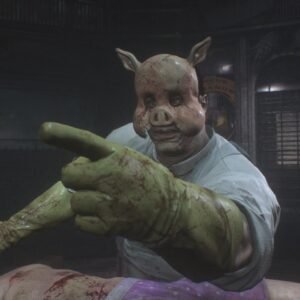
Pyg is disturbing and effective in short bursts, but his grotesque style does not translate into long-term impact.


Man-Bat

Man-Bat excels in jump scares and environmental storytelling but remains shallow beyond that initial shock.


Anarky

Anarky’s ideology is interesting, but his execution feels undercooked. He never becomes a true threat.


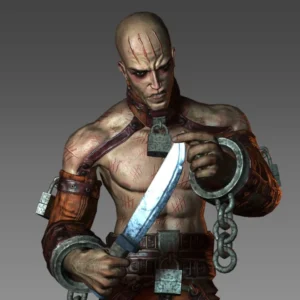
Victor Zsasz

Zsasz’s creepiness works, but his role is mostly limited to side missions and audio logs.


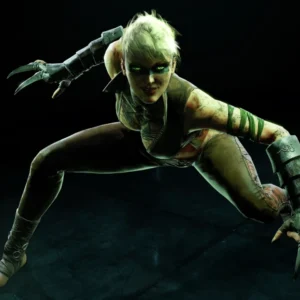
Copperhead

Copperhead’s hallucination sequences are visually memorable, but the character herself lacks staying power.

Final Thoughts

The Batman Arkham series succeeds because it treats villains as more than obstacles. The best antagonists challenge Batman’s mind, morals, and identity, not just his combat skills. Characters like Joker, Scarecrow, and Mr. Freeze elevate the series beyond standard superhero storytelling and into something more psychological and personal.

Even the lower-tier villains contribute to Gotham’s atmosphere, making the city feel alive, dangerous, and unpredictable. Few franchises manage to balance such a large cast without losing cohesion, and Arkham largely succeeds. Together, these villains form one of the strongest rogues’ galleries ever assembled in gaming, and their impact continues to define what a great superhero game can be.

Delayed Respawnse

Some of the links on this site are Amazon affiliate links, which means if you click through and make a purchase, I may earn a small commission—at no extra cost to you. It’s a simple way to help support the site and keep the game recommendations coming. Thanks for your support!

Copyright © 2025 Delayed Respawnse. All Rights Reserved.

Platforms

  • Xbox
  • Playstation
  • Nintendo
  • PC

About

  • About
  • Privacy Policy
  • Terms and Conditions
  • Sitemap

Find Your Next Game

  • Take Our Quiz
  • Quiz Results
  • How We Score Games