
Some players chase mastery. Others chase efficiency. They want the next objective, the next upgrade, the next measurable step forward.
But the Narrative Seeker plays for something different.
At Delayed Respawnse, the Narrative Seeker is drawn to games where story matters as much as mechanics. Characters, themes, and emotional arcs become the reason to keep going. Gameplay supports the experience, but the real payoff comes from seeing what happens next.
Narrative Seeker games often share a few traits. They focus heavily on character relationships. They build strong worlds that feel lived in. And most importantly, they reward attention to story just as much as skill.
These ten games represent some of the best experiences for players who want their time with a game to feel like living through a powerful story.
The Narrative Seeker on Handheld


For the Narrative Seeker, immersion matters more than speed or convenience.
When you become invested in a story, you do not want to step away from it simply because you had to leave your desk. Handheld devices like the Steam Deck help maintain that continuity. Instead of pausing a narrative-driven experience for days at a time, you can continue the same story wherever you are.
Story-heavy games often benefit from being experienced in longer stretches, but portable play allows you to stay connected to the narrative even during shorter windows. Advancing a quest in The Witcher 3, finishing a chapter of A Plague Tale, or exploring another conversation in Disco Elysium keeps the emotional momentum alive.
Remote play paired with a controller like the Backbone can also extend story sessions beyond your primary setup. Instead of starting something new, you stay with the same characters and the same world.
For Narrative Seekers, handheld gaming is less about portability and more about continuity. It keeps the story moving.
The Last of Us
Few games demonstrate the power of storytelling in games as clearly as The Last of Us.
The relationship between Joel and Ellie drives the entire experience. Their journey through a ruined United States is not simply about survival. It is about trust, loss, and the fragile ways people connect when everything else has collapsed.
Gameplay supports the story rather than overshadowing it. Combat is tense and deliberate, reinforcing the desperation of the world around you. Quiet moments between characters carry as much weight as the action.
By the end of the game, the emotional stakes feel personal. The story stays with you long after the credits roll, which is exactly what Narrative Seekers look for.
Red Dead Redemption 2
Red Dead Redemption 2 is one of the most ambitious character-driven stories in modern gaming.
Arthur Morgan’s journey unfolds slowly across dozens of hours. Early in the game, he appears to be a loyal enforcer in a fading outlaw gang. Over time, that loyalty begins to conflict with his growing sense of morality and identity.
The pacing is deliberate. Conversations around campfires, quiet rides across the frontier, and subtle character moments all build toward a larger emotional arc.
What makes the story resonate is the sense of inevitability. You are not just witnessing the end of an outlaw era. You are witnessing the transformation of a man trying to understand his place within it.
Disco Elysium
Few games place writing at the center of the experience the way Disco Elysium does.
You play as a deeply flawed detective trying to solve a murder while piecing together your own shattered identity. Nearly every action unfolds through dialogue, internal monologue, and philosophical debate.
The game’s skill system is unique. Your character’s abilities manifest as voices in your head, offering conflicting advice and interpretations of the world around you. Logic, empathy, authority, and countless other traits shape how you experience every conversation.
The result is a narrative experience that feels more like inhabiting a novel than playing a traditional RPG.
A Plague Tale: Innocence
A Plague Tale: Innocence tells a focused and emotional story about survival, family, and responsibility.
Set during the Black Death in medieval France, the game follows siblings Amicia and Hugo as they flee the Inquisition and navigate a world collapsing under disease and fear.
The relationship between the two characters forms the emotional center of the experience. Amicia is forced to grow up quickly as she protects her younger brother, while Hugo struggles to understand the terrifying world around him.
The story’s strength lies in its intimacy. Instead of sprawling across multiple plotlines, it remains tightly focused on the bond between two siblings trying to survive impossible circumstances.
Firewatch
Firewatch proves that a powerful story does not require a massive scale.
You play as Henry, a man who takes a summer job as a fire lookout in the Wyoming wilderness. Your primary connection to the outside world is Delilah, another lookout who communicates with you over the radio.
The game unfolds through conversations and quiet exploration. The wilderness becomes both a refuge and a source of tension as strange events begin to unfold.
The story explores themes of loneliness, regret, and the ways people escape from difficult parts of their lives. Its strength comes from its subtlety and emotional authenticity.
Mass Effect 2
Mass Effect 2 stands as one of the best character-driven RPGs ever made.
Commander Shepard’s mission to assemble a team of specialists creates a structure where each character receives their own deeply personal story. Loyalty missions reveal motivations, fears, and past failures that shape how each companion approaches the larger mission.
The game’s final act brings these relationships into focus. Every decision you made while building your team influences who survives the climactic assault.
For Narrative Seekers, Mass Effect 2 delivers one of the most satisfying examples of character investment paying off in dramatic fashion.
Life is Strange
Life is Strange centers on choice and consequence.
You play as Max Caulfield, a photography student who discovers she has the ability to rewind time. That power allows her to revisit decisions, but it also raises questions about whether altering events truly makes things better.
The story focuses on friendship, identity, and the emotional turbulence of adolescence. Max’s relationship with Chloe drives much of the narrative, creating a story that feels deeply personal.
By the end of the game, the weight of your choices becomes clear. Narrative Seekers often remember the final decision long after the experience ends.
God of War (2018)
God of War transformed the series from a mythological revenge saga into a deeply personal story about fatherhood.
Kratos now travels with his son Atreus on a journey to fulfill his wife’s final wish. What begins as a simple quest gradually evolves into a story about responsibility, trust, and learning to break cycles of violence.
The game’s single-camera presentation keeps the player close to the characters at all times. Dialogue during exploration and combat continuously develops the relationship between father and son.
The result is a story that feels intimate even within a grand mythological setting.
Batman: Arkham City
Batman: Arkham City blends superhero action with one of the most compelling Batman stories in gaming.
Set within a massive prison district in Gotham City, the game weaves together multiple villain storylines while exploring Batman’s relentless determination to protect the city.
The narrative shines because of its strong character portrayals. Joker, Catwoman, and other iconic figures each contribute to the unfolding drama.
As the story progresses, the tension between Batman and the Joker builds toward one of the most memorable endings in the series.
The Witcher 3: Wild Hunt
Few games offer storytelling as rich and layered as The Witcher 3.
Geralt’s search for Ciri provides the backbone of the main story, but the world is filled with side quests that often rival the main narrative in quality. Each region contains its own conflicts, moral dilemmas, and memorable characters.
Choices rarely have simple outcomes. Decisions can lead to unexpected consequences hours later, reinforcing the sense that you are shaping the world around you.
For Narrative Seekers, The Witcher 3 offers an unparalleled combination of scale and storytelling depth.
What Narrative Seeker Games Share
Narrative Seeker games prioritize story over spectacle.
They build emotional investment through characters and relationships. They create worlds where choices matter and events carry meaning. Most importantly, they leave you thinking about the story long after the game ends.
For players who value storytelling above all else, these experiences represent some of the best the medium has to offer.

About the Author
Robert Davis may be middle-aged now, but he has always enjoyed playing video games. Just like others may like to curl up with a good book, he just prefers a different medium for story-telling. Now that life is much busier, he has to be choosy about which games he spends time on. And that's why Delayed Respawnse exists, because he's not the only one.
View all posts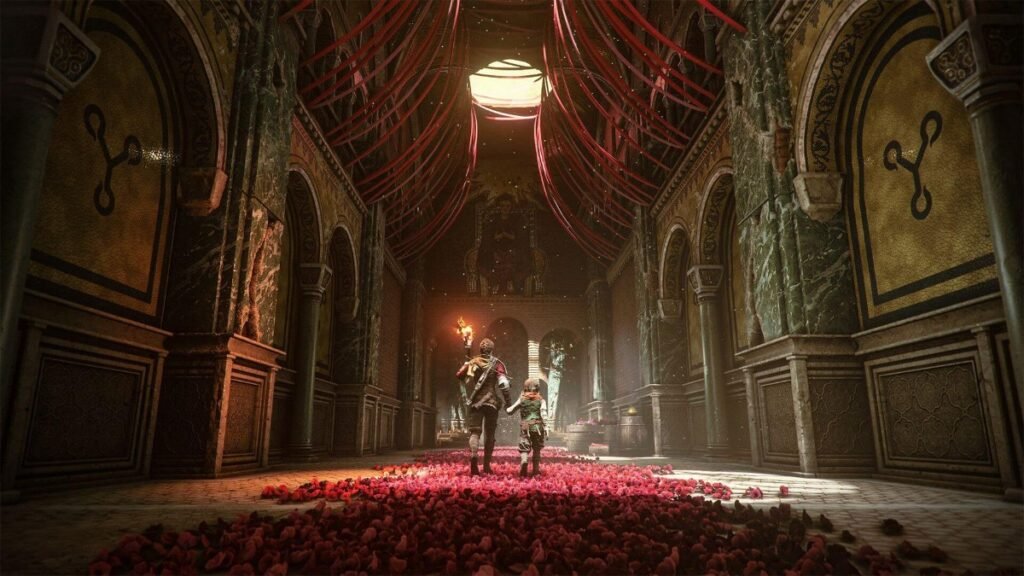
Quick Points
- Narrative Seekers prioritize story, characters, and emotional payoff
- Strong writing and worldbuilding drive these experiences
- Gameplay supports the narrative rather than overshadowing it
- Character relationships often form the emotional core
- The best narrative games stay with you long after finishing them