Delayed Respawnse
  • About
  • Articles
  • Games
  • Franchises
  • Respawnses
  • Tier Lists
What Game Should I Play?
  • Home
  • About
  • Articles
  • Games
  • Xbox
  • Playstation
  • Nintendo
  • PC
  • Franchises
  • Respawnses
  • How We Score Games
  • Tier Lists
  • Take Our Quiz
  • Join the Community
  1. Home
  2. /
  3. Games
  4. /
  5. Metroid Dread

Metroid Dread

Overall Rating: 4.37 • 292 reviews
The Resilient Player The Sprint Player

Metroid Dread pushes the series toward sharper movement and more immediate pressure, with fast slides, clean counters, and a map that keeps backtracking readable instead of messy. The E.M.M.I. zones add short bursts of stealth and panic between boss fights, giving the whole run a brisk rhythm even when you’re methodically opening the map.
Get It Now Join the Community

Details

Some of the particulars and information about Metroid Dread.
Developer: Nintendo
Release Date: October 8, 2021
How Long to Beat: 12 hrs

Great for:

The Resilient Player The Sprint Player

Ratings

Some of the ratings and scores for Metroid Dread.
88 Metacritic
9 IGN
-- Our Score

Genres

Action
Adventure
Side-Scrolling

Systems

Here's where you can find Metroid Dread and play.

ESRB: Teen

Fantasy Violence
Animated Blood
Overview
Why Play?
How Much Time?
Overview

Metroid Dread pushes fast side scrolling exploration through locked paths, counter-based combat, and tense E.M.M.I. stealth chases that force quick rerouting and careful upgrades

Why Play?

Metroid Dread makes every session feel focused, with sharp movement, readable exploration, and tense E.M.M.I. chases that keep progress exciting without wasting time

How Much Time?

Metroid Dread breaks into brisk exploration loops, boss checkpoints, and backtracking upgrades, making short sessions productive while leaving room for a faster replay or item cleanup

Movement That Feels Sharp

Metroid Dread is built around quick, confident movement. Samus slides under gaps, clings to walls, and snaps into melee counters without slowing the pace, so even routine fights feel active instead of stop-and-start.

That speed matters because the map constantly asks you to react. New abilities do more than open locked paths. They make old routes faster, cleaner, and easier to read, which keeps return trips purposeful rather than tiring.

Pressure In Short Bursts

The E.M.M.I. zones give the game its most distinct rhythm. These sections shift from exploration into tense pursuit, where one mistake can end the run and force a quick rethink of your route through narrow rooms, doors, and hiding spots.

Outside those chases, combat stays brisk and readable. Regular enemies hit hard enough to matter, bosses demand pattern recognition and steady execution, and the counter system rewards timing without turning every encounter into a waiting game.

Exploration With Clear Payoff

Metroid Dread keeps the classic loop of getting an upgrade, spotting new possibilities, and circling back, but it does a better job than many maze-like action games at showing where your next lead probably is. The map marks obstacles clearly, so you spend more time acting on clues than wandering in circles.

That structure makes it easy to make progress in shorter sessions. You can clear a new route, test an upgrade, or take a few tries at a boss and still feel like the game moved forward, even if you only had a limited stretch to play.

Momentum That Sticks

Metroid Dread is worth playing because it rarely feels sluggish. Samus moves with a snap that makes ordinary traversal satisfying, and that polish turns short sessions into meaningful progress instead of aimless wandering.

The game also does a good job of keeping you in motion. Doors, routes, and ability gates tend to nudge you toward the next useful discovery, so you spend more time solving the world and less time questioning where to go next.

Tension Without Drag

The E.M.M.I. sequences give Metroid Dread a very different rhythm from older entries. These zones create short spikes of pressure where you need to react fast, reroute on instinct, and commit to a plan, which makes the game feel urgent without turning every minute into a grind.

That pressure works because it stays contained. You get bursts of stealth and panic, then a return to exploration and boss fights, so the overall pace stays brisk and each play session has a clear sense of build, release, and payoff.

Progress Feels Earned

Metroid Dread is especially good at making improvement feel practical. New powers are not just keys for locked doors. They make the map easier to read, movement options more flexible, and earlier spaces quicker to cross, so your mastery grows alongside Samus’s abilities.

Boss fights reinforce that same appeal. They ask for observation and adaptation more than endless repetition, which makes finally winning feel satisfying rather than exhausting. If you want a game that respects focus and rewards getting sharper over time, this one lands well.

Main Story Playtime

A typical run through Metroid Dread lands around 10 to 12 hours, with faster players finishing a bit sooner and more cautious exploration pushing it closer to 13. Progress is built around opening a dense map, finding new mobility or weapon upgrades, and using them to break through previously blocked routes rather than moving through discrete levels.

That structure works well in short bursts because the game keeps feeding you clear milestones: a new ability, a boss, an E.M.M.I. zone cleared, or a fresh section of the map unlocked. Sessions of 30 to 60 minutes usually feel worthwhile, while longer stretches are best for chaining together exploration, a major fight, and the next movement upgrade.

Completion and Replay Time

Going for item cleanup and a fuller clear usually puts Metroid Dread in the 13 to 16 hour range. Extra time comes from hunting missile tanks, energy parts, and hidden upgrades, especially once late game movement tools make earlier areas much quicker to sweep through.

Replay is a real part of the package because the map becomes much more readable on a second run, and the game tracks completion and clear performance in ways that encourage cleaner, faster routes. If you enjoy shaving down your path and moving with more confidence, repeat playthroughs can be much shorter than the first without feeling disposable.

Trailer

A Quick Look at Metroid Dread

Curious what Metroid Dread is all about? The trailer gives you a great first look at the world, the vibe, and the kind of story you're stepping into.

Metroid Dread Trailer
Videos

Related videos for Metroid Dread

These videos give some tips and pointers on getting started with Metroid Dread

Metroid Dread - Before You Buy

gameranx

Metroid Prime 4: Beyond - Before You Buy

gameranx

Before you Buy Metroid Dread // A Brief History of Metroid Dread

Gotians Games

why Metroid Dread rules

Jake Baldino
Backbone One

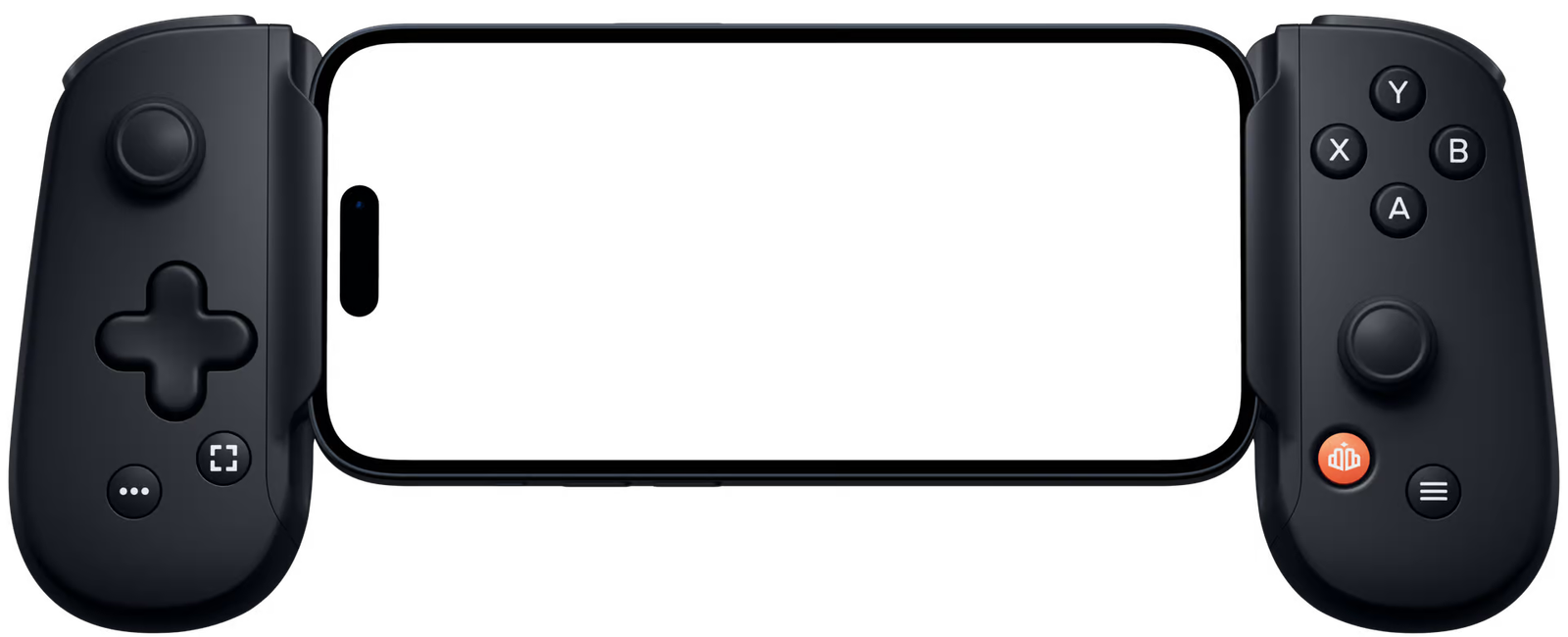
Competing For the TV at Home? No Problem! Here's How You Can Play Metroid Dread on your phone.

You don't have to compete with the family for the TV to play console games anymore. With the Backbone One, your phone becomes your Xbox or PS5 controller, giving you the freedom to pick up and play when life gives you a spare moment. It's how we get most of our playtime in.
Backbone Backbone
Get Yours Today
Screenshots

Screenshots of Metroid Dread

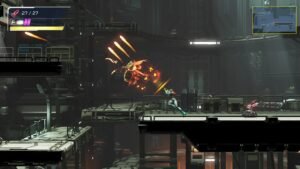
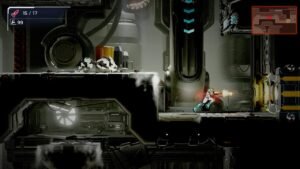
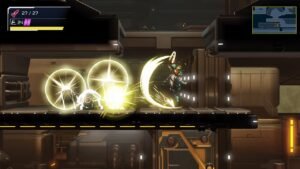
Want to see what Metroid Dread actually looks like in-game? These screenshots will hopefully give you a feel for what the world of Metroid Dread is like.

Metroid Dread
Metroid Dread
Metroid Dread
Metroid Dread
Metroid Dread
Frequently Asked Questions

Have Questions About Metroid Dread?

Do you need to know earlier Metroid games to follow Metroid Dread?

No. The game gives a short story recap at the start, so you can understand the main setup without doing homework first. You will get more out of some returning story beats if you know the series, but the immediate plot is easy to follow on its own.

Is Metroid Dread single-player only?

Yes. There is no co-op, online multiplayer, or competitive mode, so the whole game is built around a solo campaign. That also means the pacing and challenge are tuned around one player learning Samus’s tools.

How hard is Metroid Dread, and are there difficulty options?

It can be demanding, especially in boss fights where pattern recognition and quick reactions matter. Later updates added multiple difficulty settings, including an easier Rookie Mode and a tougher Dread Mode, so you can choose a better fit for your patience and skill.

Is the world in Metroid Dread split into levels or one connected map?

It is a connected world made up of large regions linked by transport points, elevators, and unlockable routes. You are not picking missions from a menu, and progress comes from pushing deeper into the map while opening shortcuts and new paths.

Are there worthwhile extras beyond the main ending in Metroid Dread?

Yes. You can keep exploring for missile tanks, energy upgrades, and other item pickups that raise your completion percentage. There are also unlockable gallery rewards tied to finishing the game under certain conditions, which gives faster replay runs a clear goal.

It's Never Too Late to Start Playing.

Not What You're Looking For?

Great games dont have an expiration date. Take our quiz and we will find you the perfect game.

Take the Quiz
Related Games

Other Games You Might Enjoy

If you like Metroid Dread, then you may like these ones as well.

Delayed Respawnse

Some of the links on this site are Amazon affiliate links, which means if you click through and make a purchase, I may earn a small commission—at no extra cost to you. It’s a simple way to help support the site and keep the game recommendations coming. Thanks for your support!

Copyright © 2026 Delayed Respawnse. All Rights Reserved.

Platforms

  • Xbox
  • Playstation
  • Nintendo
  • PC

About

  • About
  • Privacy Policy
  • Terms and Conditions
  • Sitemap

Find Your Next Game

  • Take Our Quiz
  • Quiz Results
  • How We Score Games