
If your gaming time comes in tired chunks after work, Hades II gets a lot right. It loads fast, runs are cleanly structured, and it respects the fact that you might only have half an hour before bed. That matters more than people admit. A lot of great games are great only if you can give them long, uninterrupted sessions. Hades II is not one of those. It is built for stop-start play.
The short version is simple. Yes, Hades II is worth it for busy gamers, with one condition: you need to actually like repeating runs and slowly building power over time. If you want a game that gives you a big chunk of new content every single session, this will start strong and then feel slower than you want. If you enjoy making steady progress through better Arcana cards, upgraded keepsakes, weapon aspects, and Cauldron incantations, it absolutely earns its place in your rotation.
I’ve played enough of it to know where the shine is real and where the friction shows up. Early on, it’s easy to say yes. Later, the answer depends on how much patience you have for roguelite repetition and for an early access game that is already excellent moment to moment but still not fully settled in the long term.
Why Hades II Makes Sense If Your Free Time Is Limited
The big win here is run structure. Hades II gives you a clear loop. You leave the Crossroads, pick a route, grab boons from gods like Apollo, Demeter, Hestia, Zeus, and Aphrodite, collect resources, try to push farther, then come back stronger even if the run falls apart. You rarely feel like a session was wasted.
That’s the main thing busy players need. Not perfection. Momentum.
The Crossroads hub is also better at making failed runs feel useful than a lot of games in this genre. You’re not just chasing one more boss clear. You are unlocking Arcana cards for permanent build-shaping bonuses, gathering reagents for incantations in the Cauldron, improving relationships with the cast through gifts, and opening up more options across weapons and tools. Even a mediocre 20-minute run can move two or three of those systems forward.
That said, there is a catch. The first several hours feel fantastic because almost everything is new at once. New gods, new enemies, new weapon unlocks, new dialogue, new materials. Then the pace settles down. You will start to notice that some sessions are mostly about farming Psyche, Ash, Bones, or specific reagents to unlock the thing you actually want. It is still good, but less immediately exciting. You will feel this after a few hours.
That slowdown is normal for a roguelite, but it matters when your time is scarce. If you only stick with games while they are feeding you obvious novelty, Hades II is amazing for a while and then a little less magical. If you are fine with a strong core combat loop carrying the game, it holds up much better.
What Is Actually Worth Your Time in Hades II
Prioritize the Surface and Underworld runs for progression, not perfection
The best use of your time is pushing the main run paths and unlocking as much of the core progression as possible. The Underworld route is the heart of the game, and the Surface path adds variety and helps the whole thing avoid feeling too samey. You do not need to obsess over perfect clears early. What matters is seeing more rooms, meeting more gods, learning boss patterns, and bringing back materials.
If a run is going badly, I would still finish it if you are collecting something specific for an incantation or Arcana unlock. If not, don’t force a doomed attempt into a 45-minute slog. Hades II is at its best when you are making quick calls, not stubbornly dragging a weak build through rooms that are clearly not working for you.
Arcana cards are one of the smartest time investments in the whole game
If you are busy, Arcana is where a lot of your long-term quality of life comes from. This system is not flashy, but it is the backbone of making future runs smoother. More survivability, better economy, stronger casts, improved mana flow. These upgrades do not just make you stronger. They make weaker runs less annoying.
This is worth your time because it reduces friction across everything else. A lot of games have upgrade systems that feel like tiny percentage bumps you barely notice. Hades II’s Arcana setup actually changes how comfortable the game feels. If you only have a few sessions a week, you want permanent progression that pays off every time you log in. This does.
Weapon experimentation is worth doing early, then you should settle down
The Witch’s Staff is easy to learn. The Sister Blades are fast and fun if you like getting aggressive. The Umbral Flames are stylish but can be awkward until you understand spacing. The Moonstone Axe hits hard but can feel slow if you are rusty or tired. The Argent Skull has a weird rhythm that clicks for some people and absolutely does not for others.
Try them all. You should. For a busy player, though, there is a point where experimentation stops being useful and starts wasting time. Once you find one or two weapons that fit your brain after a long day, stick to them for a while. Mastery matters more than variety if your sessions are short. You will progress faster with one comfortable weapon than by constantly relearning five.
Relationship building is nice, but only worth chasing if you care about the cast
Giving Nectar and other gifts to characters at the Crossroads is still a good part of the Hades formula. The writing is strong, and the cast is easy to like. Melinoe has a good dynamic with people around her, and returning to hub conversations still feels rewarding. But this is one area where I would be honest about your priorities.
If you loved the character side of the first Hades, keep doing it. If you are here mainly for combat and progression, do not turn gift-giving into homework. The story and relationships add texture, but they are not the most efficient use of your limited time unless that is specifically what you want from the game.
What You Can Skip Without Missing Much
You do not need to chase every resource every time it appears. This is the easiest way to waste time in Hades II.
The gathering tools and resource nodes are useful because they feed Cauldron incantations and unlock progression. Early on, that feels great. Later, it can become a trap. If you start planning runs around every patch of Silver, Lotus, or other reagents instead of around making a strong build and reaching new milestones, the game slows down hard. Gather what you need for something specific. Do not turn every run into a shopping trip.
You can also deprioritize edge-case builds that require very particular god combinations unless you genuinely enjoy build crafting for its own sake. Yes, there are fun synergy hunts in here. A cast-heavy setup with the right mana support can get silly. Certain attack and special pairings can snowball. But if your playtime is limited, forcing niche builds is usually less efficient than taking broadly strong boons and keeping your run stable.
I would also say this clearly: don’t grind just to say you have seen everything right now. Hades II is still evolving. It already has a lot of content, and the core game is in great shape, but if you are the kind of person who wants a clean, final, exhaustive end-state before committing 80 hours, wait. Busy players do not need to be completionists in an early access roguelite. That is a bad deal.
How to Play Hades II Efficiently So It Stays Fun
First, pick a default weapon. Have a backup, sure, but keep one main. The game gets much better when your hands know what they are doing and your brain can focus on boon choices and enemy patterns instead of basic execution.
Second, spend resources with a plan. Before starting a run, know what you are trying to unlock next. Maybe it is an Arcana threshold. Maybe it is a Cauldron incantation that opens a key system. Maybe it is a weapon unlock or a keepsake-related goal. If you do not set a target, the game’s many currencies blur together and your progress feels slower than it actually is.
Third, do not overstay. This sounds obvious, but it matters. Hades II is one of those games where one more run can quietly become an extra hour. If you are tired, your reaction time drops, your decision-making gets sloppier, and a run that should have been fun becomes frustrating. This game is good in compact sessions. Let it stay that way.
Fourth, learn which boons are helping immediately and which are too cute. Busy players should favor consistency. Apollo and Demeter both offer strong utility and control. Aphrodite can make close-range builds hit very hard. Zeus can carry a run if your weapon applies effects quickly. Hestia’s burn can be excellent with the right setup. But the broader point is this: take boons that clearly improve your current build, not boons that might become amazing if three later choices line up perfectly.
Finally, use the hub efficiently. Check the Cauldron, Arcana, keepsakes, and available conversations in one pass between runs. Do not wander. The Crossroads is charming, but if you only have 30 minutes, you should spend most of that time actually playing.
Hades II on Handheld Is Genuinely One of Its Best Arguments


If you play on a handheld PC, Hades II makes even more sense for a busy schedule. This is exactly the kind of game that benefits from being available on the couch, in bed, or during those weird 25-minute windows where sitting at a desk feels like too much effort.
The structure fits handheld play perfectly. One run, maybe two. Suspend it. Come back later. The controls translate well, and because the game is built around repeated combat rooms rather than long uninterrupted story sequences, it survives interruptions better than most games.
This is not a minor point. For a lot of adults, the difference between a game getting played and not getting played is whether it can fit around the rest of life. Hades II can. Very easily.
The only real downside is that on a small screen, very busy fights can sometimes feel a bit more cluttered than they do on a monitor. It is manageable. Just worth noting if you are already prone to losing track of projectiles and area effects. Still, overall, handheld support is a big plus here, not a compromise.
If You Only Have 20 Minutes, Do This
Start a run with a clear goal and stop pretending every session needs to be a full push.
- If you need resources, do a focused gathering run and leave once you have what matters.
- If you need progression, prioritize chambers and boons that support your current weapon immediately.
- If you are rusty, use your comfort weapon and treat the run as practice plus resource gain.
- If you are close to an unlock, spend the whole session finishing that one target instead of splitting attention across three systems.
The mistake busy players make is trying to do everything in one run. Don’t. Hades II is better when each session has a purpose. One night is for pushing farther. Another is for farming the last materials for an incantation. Another is for trying a new weapon aspect. Keep the goal small and obvious.
If you only have 20 minutes consistently, this game still works. You just need to accept that progress will come in layers, not in dramatic leaps every night.
So, Is Hades II Worth It for Busy Gamers?
Yes. For most busy gamers, Hades II is worth it.
It earns that recommendation because the minute-to-minute combat is excellent, the run structure works in short sessions, and the permanent progression systems usually make your time feel well spent even when you lose. That is exactly what a time-starved player needs.
But I would not recommend it blindly. If you do not like repetition, if you need constant story breakthroughs, or if early access makes you hesitate, wait. The game starts strong, and for the right player it stays strong, but it does settle into a slower rhythm where you are refining builds, farming what you need, and replaying familiar spaces with better tools. That loop is the point. If that sounds good, buy it.
If you liked the first Hades and want another smart, stylish action game that fits real adult schedules, this is an easy yes. If you bounced off the first one because repeated runs felt like work, Hades II is not going to magically fix that.
The practical advice is simple. Buy it if you want a game you can play in clean, satisfying bursts over weeks or months. Skip it if you are looking for a one-and-done campaign with steady forward-only momentum.
For busy adults, that distinction matters more than review scores ever will.

About the Author
Robert Davis may be middle-aged now, but he has always enjoyed playing video games. Just like others may like to curl up with a good book, he just prefers a different medium for story-telling. Now that life is much busier, he has to be choosy about which games he spends time on. And that's why Delayed Respawnse exists, because he's not the only one.
View all posts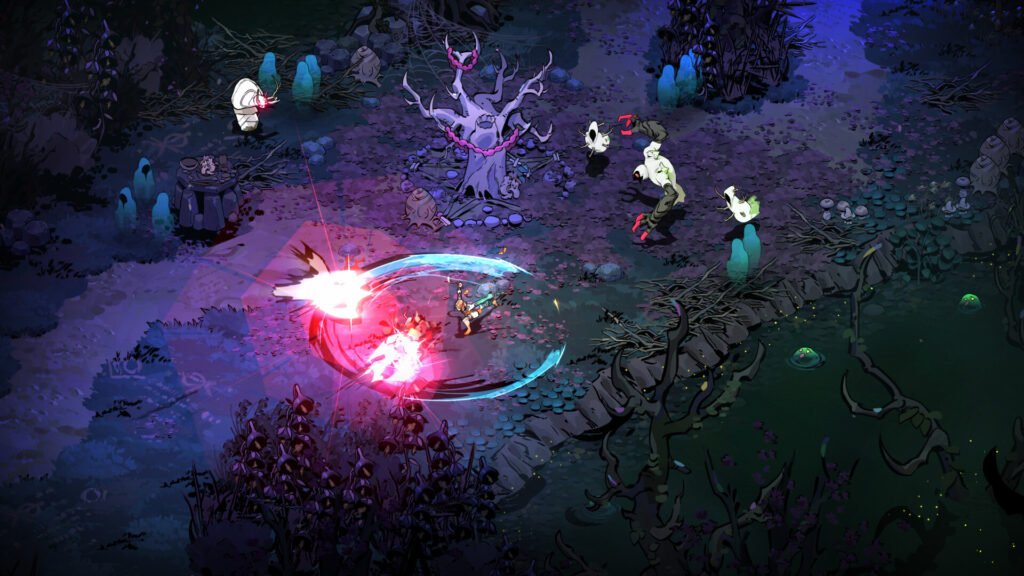
Quick Points
- Worth buying if you like short, repeatable runs with steady permanent upgrades.
- Prioritize Arcana, core weapon mastery, and key incantations over chasing every resource.
- Skip completionist grinding unless you love the cast or build crafting.
- Handheld play makes Hades II much easier to fit into a busy week.