
Crimson Desert throws a lot at you fast. Main story beats. Regional conflicts. Hunting contracts. Trading. Survival systems. Camp upgrades. Companion management. Open-world distractions every few hundred meters. It’s the kind of game where you can lose an entire weekend and still feel like you barely made a dent.
If you’re the kind of player who gets maybe a few nights a week, that can turn into a problem. Not because there isn’t enough to do. Because there’s too much filler sitting right next to the good stuff.
Now that the game’s been out for a while, the simple version is this: Crimson Desert is worth your time when you stay focused on the story-critical regional arcs, the companion quests that unlock meaningful combat utility, and a small handful of progression systems that make every future hour better. It’s not worth your time when you start treating the map like a checklist.
That’s the trap. The game is good at making busywork look important.
Why This Matters If You Don’t Have Time To Burn
Crimson Desert has that modern open-world problem where the first ten hours feel amazing because everything’s new and every system seems like it might matter. Then the pace changes. Travel gets longer. Side content starts repeating itself. Upgrade materials get spread across too many activities. You can absolutely spend three hours feeling productive and realize you mostly cleared camps, picked up crafting junk, and moved one tiny notch forward.
That isn’t a disaster if this is your one hobby and you love soaking in a world. But if you’re trying to decide whether a session was actually worth it, you need a filter.
The good news is that Crimson Desert does have a strong core. The political conflict between the major regions, the larger mercenary storyline around Kliff, and the better companion-driven missions are where the game feels authored instead of assembled. Those parts have momentum. They give you better fights, better set pieces, and upgrades that you’ll notice immediately.
The rest is mixed. Some of it’s relaxing. Some of it’s useful once. A lot of it is there to keep you in the world longer than you need to be.
The Questlines That Are Actually Worth Your Time
Prioritize the main regional story arcs
This is the best content in the game. Full stop.
When Crimson Desert locks in on the bigger regional power struggles, it becomes a much better game. These arcs usually combine infiltration, mounted travel, larger combat encounters, and actual story consequences. You get more bespoke mission design here than you do in most side content, and that matters because the combat feels best when the game’s pushing you through varied situations instead of dropping you into another generic camp.
These story arcs also tend to unlock the most practical rewards. Better access to merchants. New travel points. Companion progression. Sometimes stronger gear options without forcing you into long material grinds. If you only care about seeing the best of the game, this is where you should spend your time.
There are slower stretches, especially when the story asks you to ride long distances or do setup work before a siege or major confrontation. But even then, the payoff is usually there. Stick with these.
Do the companion questlines that improve combat utility
Not every companion mission is equal, but the good ones are absolutely worth doing because they improve how the game feels minute to minute.
Crimson Desert is at its strongest when your party tools start clicking. Companion quests that unlock new support actions, better follow-up attacks, or more reliable utility in fights are worth your time because they reduce friction everywhere else. You feel that in boss fights, outpost clears, hunting jobs, and pretty much everything else.
If a companion line is mostly dialogue and backstory with no meaningful gameplay unlock, it’s optional. If it gives you a combat edge or opens a traversal perk, do it early. Those are permanent quality-of-life improvements, and they make the rest of your playtime better instead of just longer.
This is one of those areas where the game can fool you. A quieter companion story might be emotionally solid, but if you’re pressed for time, take the practical reward over the nice character moment. Harsh, maybe. But true.
Take elite hunts and named monster contracts, not routine bounties
The hunting board is a mixed bag.
Elite hunts and named monster contracts are worth doing because they usually force you to engage with the combat system properly. You have to read attacks, use terrain, manage stamina, and actually think about your loadout. They also tend to pay better and give more memorable rewards than standard bounty work.
Routine bounties are where the system starts to drag. Too many of them feel like filler combat on the way to somewhere more interesting. Fine once or twice. Not a good use of your limited hours.
My rule is simple: if the contract names a unique target, hints at a special arena, or offers a material tied to a real upgrade, do it. If it looks like another cleanup job against enemies you’ve already fought ten times, skip it.
Invest in camp upgrades that improve travel, storage, and recovery
Camp management sounds like side content. It isn’t. At least not the right parts of it.
Upgrades that cut down travel friction, improve recovery between fights, or expand what you can carry are worth prioritizing because they save time every single session. This is one of the few systems where an hour spent now can save you several later.
On the other hand, cosmetic camp additions and low-impact crafting extensions can wait forever. They’re the definition of nice to have. Busy players should treat the camp like a utility hub, not a life sim.
If an upgrade helps you get back into the action faster, take it. If it mainly decorates your space or supports a niche crafting loop, leave it alone until the endgame, if ever.
What Starts Strong But Slows Down
Open-world exploration is great early and less rewarding later
The first stretch of free exploration is excellent. You find dynamic events, hidden ruins, enemy patrols, small environmental puzzles, and the occasional surprise fight that feels worth the detour. It sells the world well.
Then you start seeing the pattern. Resource nodes you don’t need. Repeated camp layouts. Minor events with thin rewards. Long rides for tiny payoffs.
That doesn’t mean exploration is bad. It means it’s best in moderation. Roam when you’re moving between major objectives anyway. Don’t boot up the game with the plan of just clearing icons. That’s how Crimson Desert starts feeling like work.
Crafting matters until it becomes a chore
Basic crafting is useful. You want enough consumables, repair support, and situational gear options to stay flexible. But once the game starts asking for layered material chains and repeated gathering runs, the value drops hard.
You’ll feel this after a few hours. Especially if you’re chasing an upgrade that sounds exciting and turns out to be a marginal stat bump.
Use crafting to stay supplied. Use it to hit obvious power spikes. Don’t turn it into your main loop unless you genuinely enjoy gathering and optimization for their own sake.
What You Can Skip Without Missing Much
This is where you save yourself a lot of time.
- Routine camp clears: Good for learning combat early. Bad as a long-term habit. Rewards flatten out fast.
- Low-tier fetch quests from minor settlements: These pad out the world but rarely lead anywhere interesting. If the quest is just delivery, collection, or basic cleanup, skip it.
- Most repeatable gathering tasks: Only do these when you’re already short on a specific material for a worthwhile upgrade.
- Trading for its own sake: The economy loop can be profitable, but it’s slow and management-heavy. Only worth doing if you enjoy route planning and market play.
- Completionist map cleanup: This is the easiest way to burn hours for almost no memorable return.
I’d also put a warning label on faction errands that are clearly there to build reputation in tiny increments. If a faction mission doesn’t unlock a major vendor, a meaningful perk, or an important story branch, it can wait. The game has too many of these little reputation nibbles, and they add up to a lot of time spent not doing the fun parts.
How To Play Crimson Desert Efficiently
The best approach is to treat the game like a priority list, not a buffet.
- First: Push the main regional story until you unlock a decent spread of travel options and core systems.
- Second: Do companion quests with practical combat or traversal rewards.
- Third: Take elite hunts and named contracts when you want a focused combat session.
- Fourth: Upgrade camp functions that reduce downtime.
- Last: Dip into exploration and side content only when it overlaps with your route.
Also, stop hoarding weak side quests. Crimson Desert makes your journal look important, but a long quest log isn’t progress. It’s just admin. If a quest has sat there for hours and you don’t care about the reward, abandon it mentally and move on.
Another practical tip: end sessions in a town or camp where you can cash in, restock, and pick your next target. This sounds small, but it matters. Starting your next session already prepared keeps you from spending the first fifteen minutes remembering what you were doing.
How Crimson Desert Feels On Handhelds


This is actually a decent handheld game if you play it the right way. Not because the whole experience magically becomes more convenient, but because the structure works better in chunks than you might expect.
Hunts, short companion missions, and a single story objective fit handheld play pretty well. You can knock out one meaningful task in 20 to 40 minutes and feel like you actually moved forward. That’s the sweet spot.
What doesn’t work as well is long travel-heavy story setup, inventory sorting, or crafting management. Those parts already drag a bit on a TV. On a handheld, they feel even slower.
If you’re playing this on something portable, use it for contained goals. One contract. One camp upgrade. One story mission. Don’t use handheld sessions for open-ended wandering unless you really just want to relax and soak in the world.
Also worth saying: combat readability matters here. Crimson Desert has enough visual noise in bigger fights that handheld play can make some encounters feel messier than they should. For regular exploration and side hunts, it’s fine. For tougher bosses or larger set pieces, I’d rather play on a bigger screen if I have the option.
If You Only Have 20 Minutes, Do This
If your time is tight, do one of these and log off:
- Advance one main story objective if you’re already near it.
- Take one elite or named hunt for a clean, satisfying combat session.
- Finish one companion step if it’s close to unlocking a useful perk.
- Upgrade one camp function that saves time later.
Don’t spend that 20 minutes organizing inventory, gathering random herbs, or riding across the map with no plan. That’s fake progress. It feels busy, but it doesn’t improve your next session much.
If you only have an hour, the ideal use is one story mission plus one practical side activity. That combo gives you momentum and a reward you’ll actually feel.
The Best Way To Think About Crimson Desert
Crimson Desert isn’t short on content. It’s short on discipline. The game constantly invites you to do more than you need, and a lot of that extra stuff is just okay.
The good news is that the worthwhile parts are easy to identify once you stop trying to be thorough. Follow the main regional arcs. Invest in companions that make combat better. Take elite hunts instead of routine cleanup. Upgrade systems that reduce downtime. Ignore the rest unless you’re genuinely in the mood for it.
That’s the honest advice.
If you play it this way, Crimson Desert feels big in a good way. You get the spectacle, the stronger fights, the sense of a lived-in world, and enough progression to stay hooked. If you try to do everything, it starts feeling bloated surprisingly fast.
And if you’re a busy adult deciding what’s actually worth your limited time, that difference matters a lot.

About the Author
Robert Davis may be middle-aged now, but he has always enjoyed playing video games. Just like others may like to curl up with a good book, he just prefers a different medium for story-telling. Now that life is much busier, he has to be choosy about which games he spends time on. And that's why Delayed Respawnse exists, because he's not the only one.
View all posts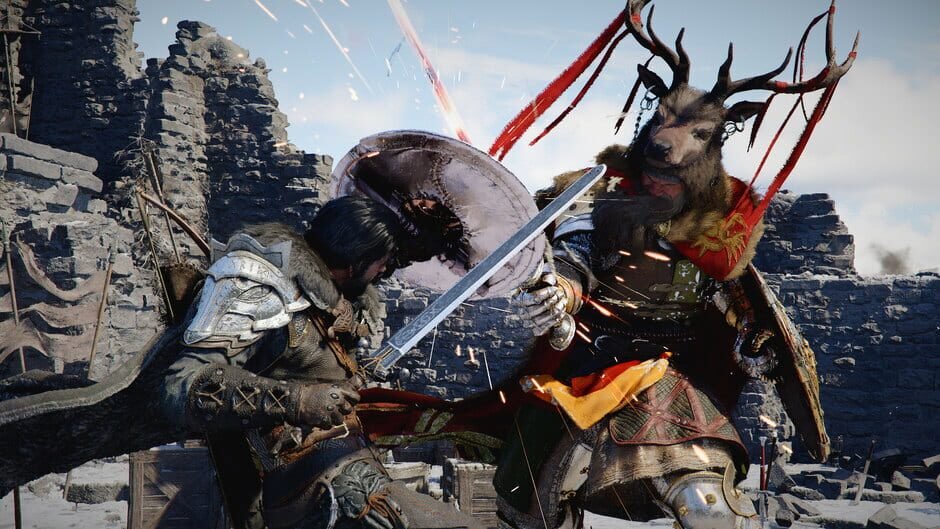
Quick Points
- Prioritize main regional story arcs over map cleanup
- Do companion quests that unlock combat or traversal perks
- Take elite hunts and named contracts, skip routine bounties
- Upgrade camp functions that reduce travel and downtime
- Ignore low-tier fetch quests unless they unlock something major