Delayed Respawnse
  • About
  • Articles
  • Games
  • Franchises
  • Respawnses
  • Tier Lists
What Game Should I Play?
  • Home
  • About
  • Articles
  • Games
  • Xbox
  • Playstation
  • Nintendo
  • PC
  • Franchises
  • Respawnses
  • How We Score Games
  • Tier Lists
  • Take Our Quiz
  • Join the Community
  1. Home
  2. /
  3. Games
  4. /
  5. PEAK

PEAK

Overall Rating: 4.08 • 49 reviews
The Resilient Player The Sprint Player

PEAK keeps its climbs tense and readable, with short runs built around quick route choices, recovery, and the constant risk of losing progress if you get sloppy. It stands out by making vertical movement the whole point, so every handhold, shortcut, and safe ledge matters more than combat or sightseeing.

Get It Now Join the Community

Details

Some of the particulars and information about PEAK.
Release Date: June 17, 2025
How Long to Beat: 17 hrs

Great for:

The Resilient Player The Sprint Player

Ratings

Some of the ratings and scores for PEAK.
82 Metacritic
NR IGN
-- Our Score

Genres

Action
Adventure

Systems

Here's where you can find PEAK and play.

ESRB: Everyone 10+

Overview
Why Play?
How Much Time?
Overview

PEAK turns each ascent into a co-op survival climb where route planning, stamina management, and scavenged gear matter as much as quick movement between ledges

Why Play?

PEAK keeps every climb tense, readable, and rewarding, turning short co-op runs into smart route choices where recovery and one bad mistake constantly matter

How Much Time?

PEAK structures time around repeat co-op climbs, with each ascent working as a tense session and progression coming from better routes, gear use, and team coordination

Readable Climbing Pressure

PEAK is built around the climb itself, with movement that stays easy to read even when the situation gets tense. Every stretch upward asks you to judge distance, pick reliable handholds, and watch your stamina so a rushed jump does not turn into a long fall.

That makes each ascent feel earned rather than chaotic. Instead of fighting enemies or wandering between landmarks, you are constantly making small route decisions about when to push, when to pause, and which ledge gives you the safest next move.

Gear, Recovery, And Risk

Scavenged tools and supplies do more than pad out a run. They shape how boldly your group can move, whether that means recovering from a mistake, stretching a risky section, or creating a little breathing room before the next demanding climb.

The catch is that progress feels fragile in a good way. A sloppy choice can wipe out momentum fast, so the game rewards players who stay calm, recover cleanly, and treat every shortcut as a calculated gamble instead of a free win.

Short Runs, Strong Teamwork

PEAK works well in compact sessions because its climbs deliver tension quickly. You are not spending long periods waiting for the interesting part to start, since the core challenge appears almost immediately and keeps building as the route narrows and mistakes become costlier.

Co-op adds another layer without slowing things down. Teammates can help spot options, manage limited resources, and steady the pace, but success still comes from everyone moving with purpose and adapting fast when a plan stops working.

Fast Tension, Clear Decisions

PEAK is easy to read in the moments that matter. You usually know why a jump worked, why a grip failed, or why a safer route would have saved the run, which makes the pressure feel fair instead of messy.

That clarity gives each climb a strong rhythm. You move quickly when the path is obvious, slow down when the mountain gets risky, and stay engaged because every ledge, gap, and shortcut asks for a real choice instead of busywork.

Short Runs With Consequence

If you want something that creates real stakes without asking for a huge block of time, PEAK lands well. Runs are compact, but they still have that valuable feeling of trying to preserve momentum, recover from a mistake, and squeeze a little more distance out of limited resources.

The best part is how often a run can turn around. A bad slip does not always end things immediately, so there is room for scrappy recoveries, quick problem solving, and those satisfying stretches where a near disaster becomes a clean finish.

Co-op That Stays Focused

PEAK uses co-op in a practical way. Working together is less about managing complex roles and more about sharing route ideas, helping each other stay alive, and reacting when someone pushes too hard and creates a problem for the whole team.

Because the game is built almost entirely around upward movement, teamwork stays tied to the main challenge instead of getting diluted by side systems. That makes sessions feel concentrated and memorable, whether you are making steady progress or laughing through a collapse that started with one careless decision.

Main Story Playtime

A solid first clear in PEAK usually falls around 2 to 5 hours, depending on how quickly your group learns routes and how often bad stamina calls turn into long drops. Progress is not built around a long campaign with chapters or hubs. Instead, it comes from full ascent attempts where each climb works like a self-contained run.

That structure makes sessions easy to divide into 20 to 45 minute blocks, with one run often giving you a clear stopping point whether you succeed, wipe, or decide to regroup after a rough section. You can make meaningful progress in a short sitting because better pathing, smarter gear use, and cleaner teamwork matter almost immediately on the next attempt.

Completion and Replay Time

Seeing most of what PEAK has to offer can stretch closer to 8 to 15 hours, especially if you want cleaner clears, better recovery under pressure, and a stronger grasp of risky shortcuts versus safer routes. The extra time comes less from a checklist and more from repeated climbs where knowledge gradually turns difficult sections into manageable ones.

Replay is the main draw. Runs stay tense because small mistakes still matter, but the game remains readable enough that each failure teaches something useful, whether that is a better line, a smarter rest point, or a safer way to spend limited resources. If you enjoy shaving down mistakes and fitting in a few attempts at a time, it supports that well.

Trailer

A Quick Look at PEAK

Curious what PEAK is all about? The trailer gives you a great first look at the world, the vibe, and the kind of story you're stepping into.

PEAK Trailer
Videos

Related videos for PEAK

These videos give some tips and pointers on getting started with PEAK

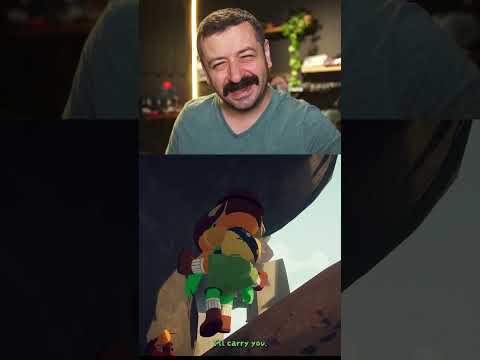
PEAK - Should You Buy It? (An Accurate Game Review)

Inaudible Druid

Peak Is A Perfect Game

KindofBradAtThis

Is PEAK Worth it to Buy?! | To The Point Review

Nyxson

Peak Review | Sometimes Less is Plenty

The Co-Op Bros
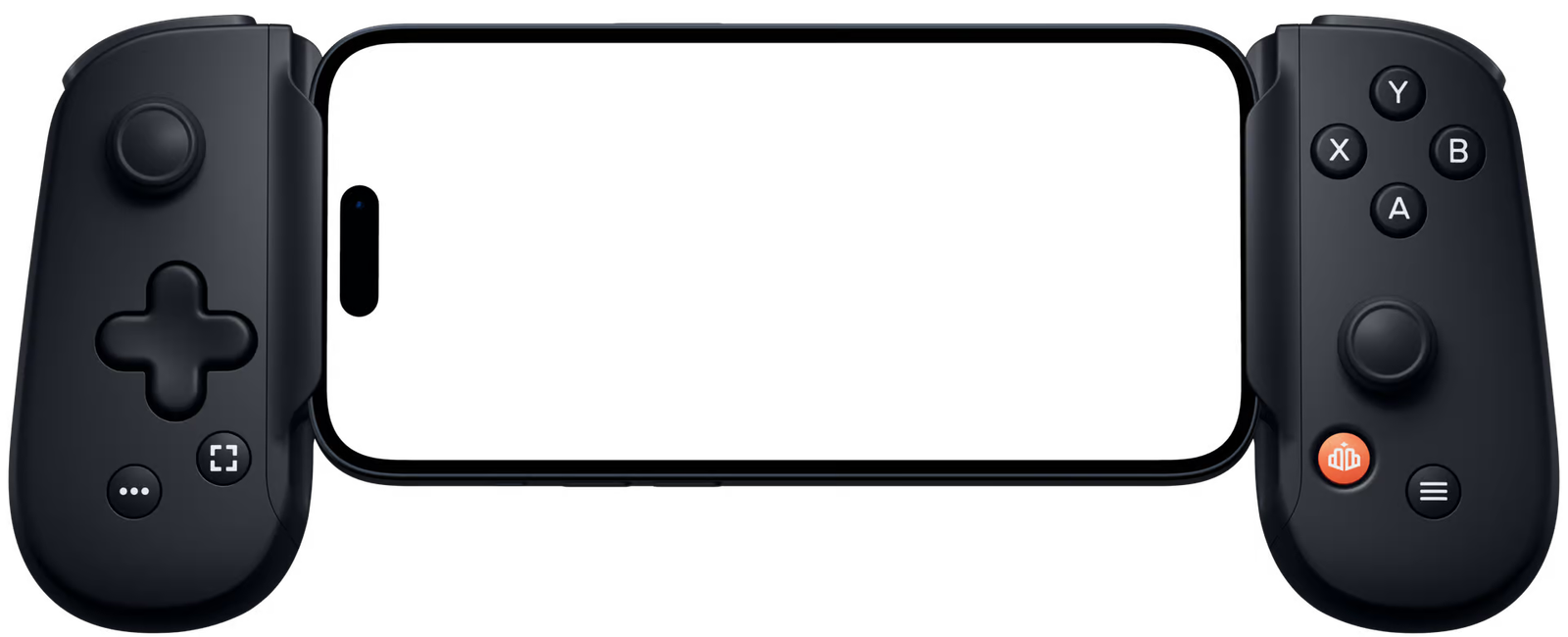
Backbone One

Competing For the TV at Home? No Problem! Here's How You Can Play PEAK on your phone.

You don't have to compete with the family for the TV to play console games anymore. With the Backbone One, your phone becomes your Xbox or PS5 controller, giving you the freedom to pick up and play when life gives you a spare moment. It's how we get most of our playtime in.
Backbone Backbone
Get Yours Today
Screenshots

Screenshots of PEAK

Want to see what PEAK actually looks like in-game? These screenshots will hopefully give you a feel for what the world of PEAK is like.

PEAK
PEAK
PEAK
PEAK
PEAK
Frequently Asked Questions

Have Questions About PEAK?

Does PEAK have a story or campaign to follow?

PEAK is not built around a big narrative campaign with major story beats between climbs. The focus is on the climb itself, so the sense of progress comes more from improving your runs and handling tougher situations than from unfolding plot.

Can you play PEAK solo, or is it mainly for co-op?

You can approach PEAK on your own, but it is clearly designed to shine with a group. Co-op adds more room for recovery, shared problem-solving, and those moments where one player’s mistake can force everyone else to adapt.

How punishing is failure in PEAK?

Failure matters because a bad fall or poor decision can cost you a strong run and force a reset. That said, the game is usually more about learning from readable mistakes than dealing with random punishment, so setbacks tend to teach rather than just frustrate.

Is PEAK more about precise platforming or survival management?

It sits between the two, but survival pressure is a big part of what makes each climb work. You still need clean movement, but managing your condition, supplies, and recovery options is just as important as landing jumps.

Does PEAK have fixed levels or more of a run-based structure?

PEAK is structured more like repeatable ascent attempts than a traditional series of handcrafted campaign stages. You are jumping into climbs, dealing with what the run gives you, and treating each attempt as its own self-contained challenge.

It's Never Too Late to Start Playing.

Not What You're Looking For?

Great games dont have an expiration date. Take our quiz and we will find you the perfect game.

Take the Quiz
Related Games

Other Games You Might Enjoy

If you like PEAK, then you may like these ones as well.

Delayed Respawnse

Some of the links on this site are Amazon affiliate links, which means if you click through and make a purchase, I may earn a small commission—at no extra cost to you. It’s a simple way to help support the site and keep the game recommendations coming. Thanks for your support!

Copyright © 2026 Delayed Respawnse. All Rights Reserved.

Platforms

  • Xbox
  • Playstation
  • Nintendo
  • PC

About

  • About
  • Privacy Policy
  • Terms and Conditions
  • Sitemap

Find Your Next Game

  • Take Our Quiz
  • Quiz Results
  • How We Score Games