
The Borderlands franchise has always been known for its explosive combat, absurd humor, and mountains of loot. But with Borderlands 4, Gearbox Software took the familiar formula and expanded it into a full open-world structure. For a series built on tight zones and controlled chaos, this shift was a big design evolution.
Now that the game has been out for a while, it is clear that Borderlands 4 is a different kind of experience. It is still unmistakably Borderlands, but the freedom to explore, experiment, and discover changes everything about how the game plays. The question is simple: does the open-world design make Borderlands 4 more fun?
From Mission Loops to Open Exploration
In past Borderlands games, players jumped between segmented areas connected by loading screens. Each zone was handcrafted for dense encounters and quick pacing. You knew what to expect: enter a zone, clear out enemies, collect loot, move on. It was predictable but effective.
Borderlands 4 changes that rhythm completely. The world is now seamless and interconnected, encouraging exploration instead of linear progression. You can wander between regions, discover hidden side missions, stumble into faction battles, or simply drive off and see what you find.
This new structure makes the game feel alive in a way no previous entry has. Instead of existing as a series of mission hubs, the world now feels like a place full of ongoing activity. Raiders fight rival gangs, creatures hunt in packs, and you can run into spontaneous events that reward curiosity.
The shift doesn’t just make the map bigger; it makes Borderlands feel more reactive. You are no longer following a checklist of objectives, but moving through a living environment where action can erupt at any time.
Combat That Never Stops
Gunplay has always been Borderlands’ strongest feature, and in Borderlands 4 it is sharper than ever. Every weapon type feels impactful, every class has depth, and the range of builds is enormous.
The open world enhances this strength by removing the boundaries that used to contain combat. In earlier games, battles happened in clearly defined arenas. You’d enter an area, trigger enemies, and clear it before moving on. Now, fights happen organically. You might get ambushed while exploring a canyon, or stumble upon a convoy that turns into a full firefight.
That sense of unpredictability makes combat more dynamic and varied. The world itself feels dangerous, but also rewarding. Loot drops come from exploration as much as from structured missions. You never know when the next great weapon might drop, and that randomness keeps every skirmish exciting.
However, the open-world format also changes the pacing of combat. Without those mission-based bursts, the intensity is more spread out. The constant flow of small encounters replaces the big, curated setpieces of older games. Some players may miss that rhythm, but others will appreciate how naturally the chaos unfolds.
A World Built for Movement
Traversal is one of the most improved aspects of Borderlands 4. Vehicles are smoother and more customizable, and new tools like grappling hooks, gliders, and jump boosters add verticality to exploration. The result is a world that encourages movement for its own sake.
Traveling across the map no longer feels like downtime between missions. There are reasons to explore beyond quest markers: loot caches tucked into caves, secret dungeons guarded by elite enemies, and environmental puzzles that reward creativity.
What stands out most is how much the world rewards curiosity. In earlier Borderlands games, detours rarely paid off. Now, exploring a random ruin or a half-sunken city can lead to a unique boss fight or a legendary drop. It transforms the moment-to-moment experience from mission-driven to discovery-driven.
That said, not every region maintains that sense of excitement. Some areas are visually impressive but light on interaction. When exploration works, it feels like a perfect extension of Borderlands’ over-the-top spirit. When it doesn’t, it can feel like open space for its own sake.
Story Integration and Pacing
The Borderlands series has always mixed irreverent humor with surprising emotion, and Borderlands 4 keeps that balance while making the story more integrated into the world. Instead of constant cutscenes or mission handoffs, storylines now emerge naturally through exploration. You overhear conversations, find lost data logs, or get pulled into events that spiral into full missions.
This approach helps the story feel more connected to the gameplay. Characters feel like they exist within the world instead of being confined to mission hubs. Factions evolve over time, and you can see how your actions affect the regions you visit.
The trade-off is pacing. In the older games, story beats landed in a specific order, creating momentum. Here, because you can take quests in almost any sequence, that focus sometimes slips. The open structure gives players freedom, but it can also make the narrative feel fragmented if you wander too far from the main plot.
Even so, when Borderlands 4 does deliver major story moments, they hit hard. The blend of cinematic humor and genuine tension still works, just in a more flexible format.
How Fun Is the Open World to Explore?
One of the biggest successes of Borderlands 4 is that it finally makes exploration genuinely fun. The series’ style of humor and exaggerated worldbuilding translate well to a larger scale. Towns are lively, side missions are full of personality, and even random encounters are packed with weird surprises.
The open world gives the designers room to experiment. Some missions stretch across multiple regions, while others take advantage of environmental hazards or multi-stage boss fights. Hidden zones, dungeons, and challenge areas reward dedicated players who want to squeeze every drop of content out of the game.
There’s also a strong sense of diversity across the regions. The metallic sprawl of Promethea, the crimson canyons of Pandora, and the overgrown alien ruins all feel distinct and worth exploring. You rarely feel like you are revisiting the same place twice.
That variety keeps exploration engaging even deep into the endgame. Combined with co-op systems that allow players to tackle objectives independently, the world feels full of options rather than repetition.
Mission Design and Activities
The move to an open world changes how missions work, but not what makes them entertaining. The writing still shines with self-aware humor, and the gameplay loop still thrives on finding new loot and watching enemies explode in spectacular ways.
The difference is scale. Side missions are no longer just diversions; they often have branching outcomes or affect world states. Some unlock new vendors or alter which factions control certain areas. Others tie into environmental storytelling, adding layers to the game’s setting.
Dynamic events also play a big role. You might stumble across an ambushed convoy, defend a camp under attack, or chase down a bounty target. These moments make the world feel alive even when you are not following a specific quest.
While not every activity is groundbreaking, the sheer volume of things to do makes exploration rewarding. Even smaller encounters feel meaningful thanks to the improved loot system, which balances rarity and power more effectively than in past games.
Co-op and Shared Chaos
Borderlands has always been at its best when played with friends, and the open-world design only enhances that. Players can now spread out across the map, completing separate tasks before regrouping for larger missions. Shared events like raids and territory defenses create natural moments of teamwork and mayhem.
The ability to explore independently while still sharing progress is a major improvement. It allows groups to play at their own pace without getting in each other’s way. Loot scaling ensures that everyone benefits equally, and the variety of activities means there is always something to do together.
The result is a smoother, more flexible co-op experience that fits naturally into the open world. It captures the cooperative spirit of earlier games but makes it feel more organic and less constrained.
Does the Open World Work?
Yes, and it fits Borderlands 4 better than many expected. The open-world format enhances what the franchise already did well rather than replacing it. The gunplay is still explosive and satisfying, the humor still lands, and the world still feels full of personality. The difference is how those strengths are delivered.
Instead of mission hubs and isolated zones, the open world makes every moment feel like part of a larger ecosystem. Combat, exploration, and story now flow together more naturally. The pacing is different, but not worse-just broader and more player-driven.
What makes Borderlands 4 work is that it does not lose sight of what players love most. The open world is not a distraction from the shooting and looting; it is an extension of it. Every system feeds into the same loop of chaos, comedy, and discovery that defines the series.
Final Thoughts
Borderlands 4 proves that open-world design and fast-paced looter-shooter gameplay can coexist. The game never stops being fun to play, and the new level of freedom adds freshness without sacrificing identity.
While some players may prefer the focused intensity of earlier entries, the open world gives Borderlands 4 a sense of scope and energy that keeps it engaging for dozens of hours. Exploration is rewarding, combat is constant, and the world feels more alive than ever.
For a series built on mayhem, giving players more room to create that mayhem was the right call.

About the Author
Robert Davis may be middle-aged now, but he has always enjoyed playing video games. Just like others may like to curl up with a good book, he just prefers a different medium for story-telling. Now that life is much busier, he has to be choosy about which games he spends time on. And that's why Delayed Respawnse exists, because he's not the only one.
View all posts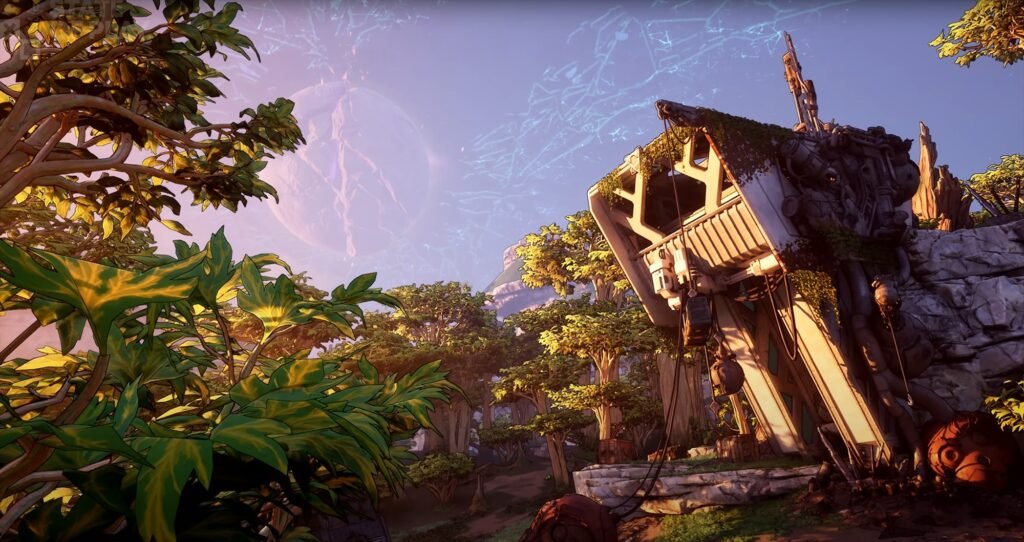
Quick Points
Does the Open World Work for Borderlands 4?
- Gameplay: Fast, fluid, and endlessly chaotic in the best way.
- Exploration: Rewarding and diverse, with meaningful secrets to uncover.
- Story: More integrated, though sometimes less focused.
- Co-op: Flexible and exciting, a natural fit for the new format.
- Verdict: The open world makes Borderlands 4 more alive, more fun, and more distinctly Borderlands than ever.