
Crimson Desert has been out for over a month now, which means the early hype window is mostly behind us. At this point, the better question is not whether the game looks ambitious. It clearly is. The better question is whether it actually works for players who have limited time.
After spending time with it, the short version is this: Crimson Desert respects your time in bursts, but not consistently. The main story setup is strong, the early faction-driven missions do a good job of pulling you forward, and the combat is fun enough that even routine fights can feel active. But once the world opens wider, the game starts testing your patience with travel, cleanup tasks, and side objectives that often look more important than they really are.
So if you’re asking whether Crimson Desert is worth starting when you only have limited gaming time, my answer is yes, with a condition. You need to play it with intent. Follow the best questlines, ignore the fluff, and treat the open world like a buffet instead of an obligation list. If you do that, there’s a very good action RPG here. If you try to clear everything, you’ll feel the drag fast.
Why Busy Players Will Feel the Difference Fast
This matters because Crimson Desert makes a strong first impression. The opening hours give you story urgency, strong character introductions around Kliff and the Greymanes, and enough large-scale set pieces to make it feel like every session will matter. That part works. You can sit down for an hour and actually get something done.
Then the game starts layering in more systems. Regional faction requests. Hunting contracts. Camp management. Gear crafting. Resource gathering. World events. Optional stronghold-style tasks tied to local power struggles. None of that is automatically bad. The problem is that not all of it pays off equally.
If you have endless time, you can poke at everything and let the game wash over you. If you don’t, friction stands out more. Long rides between objectives stand out more. Spending 30 minutes collecting materials for a minor upgrade stands out more. Repeating another enemy camp because the reward screen says you might get something useful stands out a lot more.
Crimson Desert is at its best when it gives you a memorable mission chain with good combat and actual story movement. It’s much less respectful when it asks you to maintain momentum through chores.
The Questlines That Are Actually Worth Your Time
If you want the best return on your hours, focus on the story-critical faction arcs and the companion-driven missions that change how fights and travel feel. Those are the parts that consistently justify the investment.
Stick Close to the Greymanes and Central Political Arc
The core Greymanes storyline is the backbone of Crimson Desert and the easiest recommendation. It has the best mission variety, the most polished combat encounters, and the strongest narrative momentum. You get fortress assaults, infiltration segments, duels, and larger battlefield moments that feel handcrafted instead of assembled from open-world parts.
This is also where the game does the best job of teaching systems naturally. You learn how mounted movement, squad-style support, and heavier one-on-one combat all fit together without feeling like you’re doing tutorials disguised as chores.
It’s worth your time because it keeps paying off. Even when the pacing dips a bit in the middle, the next major mission usually pulls you back in.
Prioritize Faction Questlines With Map or Traversal Benefits
When the game opens into regional power struggles, you should not treat every faction equally. The useful ones are the groups that unlock practical advantages like safer routes, better vendors, stronger camp support, and faster access to contracts or upgrades.
The local militia and mercenary-style quest chains tend to be the best examples here. They usually give you direct combat scenarios, cleaner objectives, and rewards that actually help. If a faction line improves your movement, reduces friction in a region, or gives you reliable combat tools, do it.
If a faction line mostly feeds into reputation bars, repetitive errands, or lore without changing how you play, skip it unless you really care about that region’s politics.
Do the Companion Missions That Unlock Combat Utility
Crimson Desert has a few side arcs that are worth doing specifically because they make the rest of the game smoother. This is where companion or camp-adjacent missions matter. The best ones unlock support abilities, better survivability options, or improved access to equipment handling.
These aren’t always the flashiest missions, but they have real value. You feel them later. That’s the key test for side content in a big game like this. If finishing a questline makes the next ten hours better, it’s worth it.
If it just gives you a cutscene, a little money, and another marker on the map, it probably isn’t.
Take High-Value Bounty and Hunting Contracts, Ignore the Filler
The contract board content is mixed. Elite hunts and named target bounties are often great because they push the combat system in interesting ways. You get tougher enemies, clearer stakes, and rewards that can actually move your build forward.
Basic cleanup contracts are another story. If the task is just clearing a standard camp, collecting drops, or dealing with common enemies in a remote corner of the map, it’s usually not worth the detour.
Pick contracts that feature named enemies, unusual locations, or gear rewards you already know you want. Don’t clear the board just because it’s there.
What Starts Strong but Slows Down Later
The first big slowdown is open-world sprawl. Early on, every new area feels exciting. A few hours later, you’ll notice how often Crimson Desert asks you to travel for conversations, return to camp, then head back out for a fight that could have been attached to the previous mission.
You will feel this after a while.
The second slowdown is upgrade friction. Gear progression is satisfying when upgrades come from meaningful fights or major missions. It gets annoying when progress starts depending on ingredient chasing, repeated contract work, or checking multiple vendors for one missing component.
The third is side content dilution. The game keeps presenting activities as if they all matter equally. They don’t. Some of the strongest early side missions set the expectation that optional content will stay that good. It doesn’t. Later regional errands are much more uneven, and the drop-off is obvious if you’re paying attention.
This doesn’t ruin the game. It just means the back half demands more discipline from the player than the front half does.
What You Can Skip Without Missing Anything Important
This is where you save your time.
Skip Low-Tier Gathering Unless You Specifically Need One Upgrade
Resource collection is one of the easiest traps in Crimson Desert. The world is full of plants, ore, animal parts, and crafting prompts that make you feel like you should always be collecting. Don’t do that. Passive pickup while traveling is fine. Going out of your way to farm materials usually isn’t.
Only gather with a purpose. If you need one specific upgrade or consumable recipe for a boss or build, go get it. Otherwise, let it go.
Skip Generic Regional Errands
When a town or outpost starts offering chains of delivery work, local pest control, or repeated stabilization tasks for the area, that’s your signal to be selective. These missions rarely have good writing, rarely lead to standout combat, and often pay in currencies or reputation bumps that don’t change much.
You can skip these without guilt. You’re not missing the heart of the game.
Deprioritize Broad Completionist Faction Cleanup
Once you’ve gotten the practical rewards from a faction, stop. You do not need to max every relationship track or finish every support objective tied to a region. The return drops off hard.
Only keep going if you genuinely like that faction’s story or if the reward list contains something concrete you know you’ll use.
Ignore Collectible-Style Map Clearing
If your instinct in open-world games is to wipe every icon from the map, Crimson Desert will punish that habit. There is too much of it, and too much of it feels interchangeable. The game is better when you let large chunks of that stuff sit untouched.
This is not a map-clearing game for busy adults. It’s a pick-your-lane game.
How to Play Crimson Desert Efficiently
The best way to approach Crimson Desert is to decide what your session is for before you even load in.
- Story session: Push the main Greymanes and political arc only. No detours unless a companion mission is directly on the route.
- Power session: Take one or two elite contracts, upgrade gear, then stop. Don’t drift into random errands.
- Exploration session: Pick one region, one faction thread, and one destination. Wandering works better when it has a boundary.
Also, bank your progress around hubs whenever possible. Crimson Desert has enough travel and setup time that starting a session from the middle of nowhere can waste the first ten minutes. End near a camp, town, or quest handoff point. Future you will appreciate it.
Use fast travel more aggressively than the game seems to want you to. The world is pretty, mounted travel has some fun moments, and yes, there are dynamic encounters on the road. But if your goal is making meaningful progress in short sessions, fast travel is your friend.
And don’t overbuild around edge-case gear setups early. The combat is flexible enough that you can get through a lot with a solid generalist loadout. Chasing perfect synergy too soon just creates more crafting and farming work.
Does Crimson Desert Work Well on Handhelds?
Mostly yes, with the right expectations.
Crimson Desert is actually a decent fit for handheld play because so much of it breaks into clean chunks. A contract, a story mission step, a camp upgrade check, a short ride to the next town. You can make real progress in 20 to 40 minutes, which is exactly what handheld gaming needs.
On something like Steam Deck, the big question is performance consistency during larger battles, dense towns, and heavy effects. Smaller fights and travel stretches are easier to enjoy in portable form. The giant set pieces are where you may start noticing the compromise more. If you’re sensitive to performance swings, you’ll probably prefer doing major story missions on a main setup and saving side cleanup or contract work for handheld sessions.
Backbone One or other streaming-based setups can work well if your connection is stable, especially for slower exploration and contract runs. I would not choose cloud or remote play for the trickier duels or larger combat encounters where timing matters more. The combat has enough weight and reaction demand that input quality matters.
The bigger issue is readability and menu friction. Inventory and crafting screens are manageable, but they’re not exactly relaxing on a small display after a long day. If you’re tired, this is not the game I’d pick for a deep gear management session on a phone-sized screen.
Best handheld use case: short contract runs, travel between story beats, and checking off one focused objective. Worst use case: long system-heavy sessions where you’re juggling upgrades, crafting, and faction management.
If You Only Have 20 Minutes, Do This
Open your journal and pick one thing from this list.
- Advance one main story objective if you’re already near the marker.
- Take one named bounty or elite contract if you’re in a hub and want action fast.
- Finish one companion mission step if it unlocks utility or support benefits.
- Travel to the next major quest hub and stop there if you know your next session will be short too.
What you should not do in a 20-minute session is free-roam aimlessly, start a long faction chain, or get lost in crafting. That’s how you end up spending your whole window preparing to play instead of actually playing.
If you’re really squeezed for time, use short sessions to set up better long sessions. Move to the right location. Turn in completed work. Restock. Queue yourself up for the next big mission. That’s still productive.
The Honest Verdict for Busy Adults
Crimson Desert does respect your time, but only if you stop it from wasting it.
That sounds harsher than it is. There’s a lot to like here. The combat has real weight, the main story has enough momentum to carry you through weaker stretches, and the best faction and companion content genuinely improves the whole experience. When you’re on the right path, the game feels exciting and expensive in the good way. You sit down, do a mission, and come away feeling like your hour counted.
But the game also has the usual open-world bad habits. It pads itself with errands, overvalues its own side content, and occasionally confuses size with value. If you let it set your priorities, it will absolutely burn time you don’t have.
So here’s the practical answer. Crimson Desert is worth your time if you want a big single-player action RPG and you’re comfortable playing selectively. Follow the central Greymanes story, do the side arcs that improve combat or traversal, take high-value contracts, and skip the regional fluff.
If you need a game that naturally funnels you toward the best content without asking you to self-edit, this isn’t that. You have to curate your own experience a bit.
Do that, though, and Crimson Desert becomes much easier to recommend. Not because it’s lean. It isn’t. Because the good parts are good enough to justify the effort, as long as you don’t mistake everything on the map for something worth your night.

About the Author
Robert Davis may be middle-aged now, but he has always enjoyed playing video games. Just like others may like to curl up with a good book, he just prefers a different medium for story-telling. Now that life is much busier, he has to be choosy about which games he spends time on. And that's why Delayed Respawnse exists, because he's not the only one.
View all posts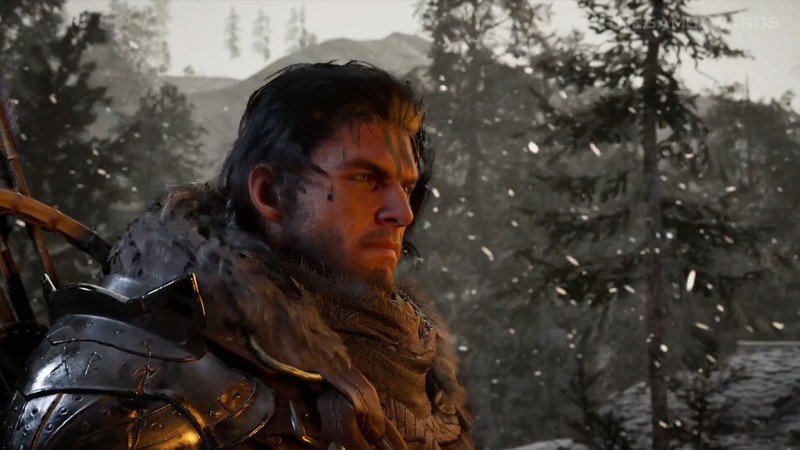
Quick Points
- Follow the main Greymanes arc first. That’s where the best missions are.
- Take named bounties and utility-focused companion quests. Skip generic errands.
- Don’t farm materials unless you need one specific upgrade.
- Use fast travel aggressively. The road content isn’t worth every detour.
- Great in short bursts, but only if you play selectively.