
Rocksteady’s Batman Arkham series set a new standard for third-person action combat. The rhythmic counters, flowing combos, and seamless transitions between enemies created a style of fighting that felt powerful, readable, and rewarding. It felt good from the very first punch. It was easy to learn but had surprising depth for players who wanted to master it. You could pick up a controller and feel like Batman within minutes, yet the combat system continued to evolve as you unlocked new moves, gadgets, and strategies. Many games have tried to capture that same feeling. Some came close, some built on the formula, and others reshaped it into something new. If you love the Arkham combat style and want more games that feel similar, this guide will walk you through the best options available today.
Whether you enjoy rhythmic strikes, reaction-based counters, stealth mixed with brawling, or a focus on crowd management, these are the games that channel the spirit of Arkham in their own way.
Middle-earth: Shadow of Mordor and Shadow of War
The Middle-earth games are the closest anyone has come to replicating the Arkham combat loop. If you want something that feels immediately familiar, these two titles are as close as it gets. They use a system built on flowing melee attacks, timed counters, stun moves, and acrobatic jumps that let you bounce between enemies with complete freedom. The rhythm of combat is nearly identical to Arkham. You wait for an enemy to flash an attack cue, respond with the correct timing, and chain finishers together as you build momentum. It is smooth, reactive, and extremely satisfying.
What sets the Middle-earth games apart from simple imitation is the Nemesis System. This is where the combat goes beyond what Arkham offered. Enemies remember you, adapt to your tactics, and come after you based on their experiences with you. A captain who barely survived your last fight may charge into battle with scars, new strengths, and a personal grudge. This creates an evolving sense of rivalry that never existed in Arkham and makes every encounter feel like part of a larger story.
Both games emphasize mobility, tactical freedom, and aggressive offense. Shadow of War expands the toolset even further with more skills, elemental attacks, and finisher options. It encourages creative play without ever losing the readability and rhythm you expect from Arkham-style combat. If you want an open world that feels alive, with combat that hits the same highs as Arkham while offering more systemic variety, this is the top recommendation.
Marvel’s Spider-Man and Marvel’s Spider-Man 2
Insomniac’s Spider-Man games feel like a more agile and stylish take on the Arkham formula. The timing-based dodges and takedowns work much like Arkham’s counters, but everything is faster and more aerial. Spider-Man depends heavily on momentum, gadget use, and constant movement to stay alive. When you snap into that rhythm, the finesse of swinging into combat, flipping between enemies, and chaining gadgets with melee attacks feels incredible.
The combat is built around player creativity. Every encounter gives you a toolbox of options. You can yank weapons from enemy hands, trap foes against walls with web shots, use gravity gadgets to cluster groups together, or slam enemies into environmental hazards. It rewards improvisation in a way Arkham hinted at but never fully leaned into.
Marvel’s Spider-Man 2 adds even more depth. Parries, new traversal abilities, new suit powers, and two fully playable characters bring fresh variety. Peter and Miles each have their own combat identity, and switching between them is seamless. The game also tightens enemy aggression, forcing you to stay engaged and react constantly. If you want something colorful, fluid, and packed with options while still channeling the core of Arkham’s flow, these games are essential.
Assassin’s Creed Origins, Odyssey, and Valhalla
The modern Assassin’s Creed trilogy took heavy inspiration from Arkham while blending it with RPG depth. The older AC titles relied more on automatic animations and simple counters, while Origins and its successors shifted to hitbox-driven combat. These games introduce warrior abilities, dodge timings, and stamina mechanics, yet the connection to Arkham remains clear in the way you read attack patterns and flow between enemies.
Origins is the cleanest transition point. It maintains a balance between tactical spacing and fast reactions. You dodge, counter, and reposition in fights that feel weighty and measured. Odyssey goes in a flashier direction. Its combat leans heavily into abilities and spectacle. You can bull rush enemies, teleport behind targets, fire explosive arrows, and chain abilities to overwhelm groups. While it is more fantastical, the readability and timing still echo the Arkham structure.
Valhalla takes a heavier approach. Combat feels more grounded and brutal. Enemies hit harder, parries matter more, and dual-wielding opens up new strategies. While slower than Arkham, its focus on timing, prediction, and pattern recognition keeps the DNA intact.
Although these games are not clones, they offer a take on reactive, pattern-based combat with enormous open worlds to explore. If you want something that mixes Arkham’s flow with the scale of a massive RPG, the modern AC trilogy is a great fit.
Star Wars Jedi: Fallen Order and Jedi: Survivor
The Jedi games share a surprising amount of DNA with Arkham, even though they lean heavily toward Souls-like design. The connection comes from the emphasis on reading enemy intent, dodging at precise moments, and using parries to create openings. While Arkham focuses on crowd flow, the Jedi titles focus more on duels and smaller encounters, but the core rhythm is similar.
Fallen Order introduces the foundation. Most foes require you to learn their patterns, react at the right time, and punish openings. Survivor expands the combat significantly with new stances, better mobility, and a wider range of Force abilities. Each stance changes the pace and weight of combat, letting you play aggressively, defensively, or somewhere in between.
The games also highlight positioning and spacing. Dodging around attacks, closing gaps, and managing multiple enemies at once requires tactical awareness that appeals to Arkham fans. While not as cinematic or free-flowing as Batman’s combat, the moment-to-moment decision making scratches the same reactive itch.
If you enjoy learning enemy patterns, timing your strikes, and building toward cinematic finishers, the Jedi games offer a strong, more methodical version of Arkham’s combat philosophy.
Hogwarts Legacy
Hogwarts Legacy delivers a magical twist on Arkham-style combat. It trades fists for spells, but the underlying rhythm is familiar. Everything is built around reaction and timing. You swap spell sets on the fly, break shields with the correct spell types, and counter incoming attacks with quick prompts. The readability of enemy actions feels very Arkham inspired.
Combat encourages mobility and creativity. You can juggle enemies in the air, launch multiple opponents with levitation spells, pull enemies toward you for finishers, or chain explosions into crowd attacks. As you unlock more spells and experiment with spell rotations, the combat becomes surprisingly deep.
The game rewards players who read animations carefully and respond with the right spell at the right moment. It becomes a dance of offense and defense that feels fast, flashy, and reactive. While it lacks the grounded impact of hand-to-hand combat, Hogwarts Legacy translates Arkham’s philosophy into something fresh and imaginative. It is the closest any wizard game has come to capturing that same feeling of flow and control.
Ghost of Tsushima
Ghost of Tsushima may appear different from Arkham on the surface because of its stance-based sword combat, but the two systems share key principles. Both rely on readability, rhythm, and managing multiple opponents. Tsushima encourages players to rotate between enemies, react to incoming strikes, and find the right stance to break through different defenses. Combat rewards patience, precision, and confidence rather than button mashing.
The beauty of Tsushima’s combat is its clarity. Every animation is designed to be readable. Enemy tells are clear, stances flow into each other smoothly, and parries feel incredibly satisfying. When you perfect the timing of a parry or dodge and immediately counter with a lethal strike, you feel the same thrill that Arkham delivers in its best moments.
The game also balances cinematic presentation with mechanics. Fights look stylish, but the depth comes from the decisions you make in the moment. If you enjoy the strategic side of Arkham combat, Ghost of Tsushima offers a more grounded and disciplined version of those ideas. It asks for focus and rewards mastery, creating a combat system that is beautiful, challenging, and endlessly enjoyable.
Closing Thoughts
The Batman Arkham series changed the way third-person combat feels. Its rhythm-based approach found a perfect balance between accessibility and depth. You could step into a fight and feel powerful without memorizing long combos, yet there was enough nuance to keep the system interesting over time. The blend of crowd control, reactive counters, gadget use, and smooth transitions created a style that felt unique and addictive.
Many games have borrowed from that blueprint, and some have expanded on it in surprising ways. Whether you prefer the closest match, like Middle-earth, or a more experimental evolution, like Ghost of Tsushima, there are plenty of modern games that capture the spirit of Arkham’s combat. Each title brings its own flavor, whether that means new traversal options, different weapon types, magical abilities, or deeper tactical layers.
If Arkham’s flow, timing, and intensity are what you enjoy most, you will find plenty to love in the games on this list. And with more studios continuing to build on this template, the future looks promising for players who crave that same satisfying rhythm of strikes, counters, and finishers.

About the Author
Robert Davis may be middle-aged now, but he has always enjoyed playing video games. Just like others may like to curl up with a good book, he just prefers a different medium for story-telling. Now that life is much busier, he has to be choosy about which games he spends time on. And that's why Delayed Respawnse exists, because he's not the only one.
View all posts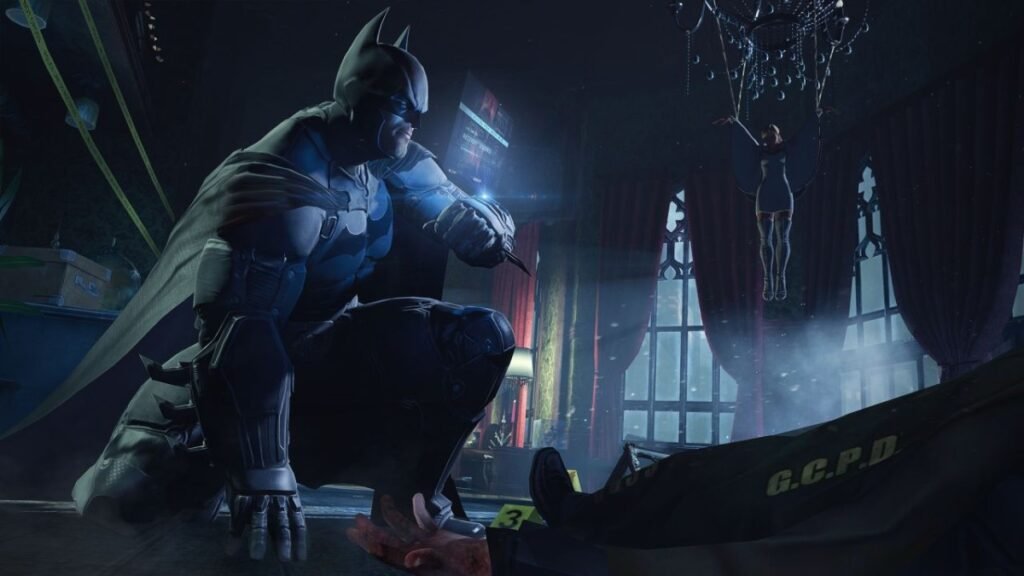
Quick Points
- Middle-earth and Spider-Man offer the closest modern versions of Arkham’s free-flowing fighting.
- Assassin’s Creed Origins, Odyssey, and Valhalla provide a more tactical, RPG-infused evolution of the formula.
- Star Wars Jedi games lean into timing, parries, and pattern recognition for a more deliberate experience.
- Hogwarts Legacy brings a magical twist that mimics Arkham’s readability and combo flow.
- Ghost of Tsushima turns Arkham’s strategic rhythms into grounded sword combat with mastery-focused depth.