
There are games that want to be finished quickly, and games that want to be lived in. Somewhere between those two extremes sits Clair Obscur: Expedition 33, a game that clearly values long-term commitment but never demands that you show up every night to keep pace.
For busy players, that distinction matters.
This is not a game designed for constant momentum or daily check-ins. It is designed for players who commit to one game at a time, play when life allows, and want their time to feel well spent rather than rushed or wasted. In Delayed Respawnse terms, this puts Clair Obscur squarely in Investment Gamer territory, with strong appeal to Narrative Gamers as well.
The real question is not whether the game is good. It is whether it works when your gaming life is fragmented.
Surprisingly, it does.
Why Clair Obscur Is an Investment Gamer Game at Heart
An Investment Gamer is not looking for something to fill an hour. They are looking for something worth coming back to for weeks or months. The value comes from accumulation. Emotional weight, mechanical understanding, and narrative payoff all grow over time.
Clair Obscur is built around that philosophy.
This is a game that unfolds slowly and deliberately. The systems are layered rather than front-loaded. The story does not rush to explain itself, and the combat expects you to learn patterns instead of brute-forcing encounters. None of that screams accessibility at first glance, but for Investment Gamers, it is a promise. This is a world that will reward attention and persistence rather than speed.
Importantly, that long-term reward is not tied to relentless play. You are not racing against live events, weekly resets, or power curves that decay if you step away. Progress in Clair Obscur is cumulative and patient. What you learn in week one still matters in week six.
That alone makes it attractive to players who want to commit deeply without feeling chained to the game.
Short Sessions Still Lead to Real Progress
One of the biggest fears busy players have with longer RPGs is wasted sessions. You sit down for 30 or 40 minutes, fight a few enemies, and log off feeling like nothing actually moved forward.
Clair Obscur avoids that trap more often than not.
A typical short session usually contains something complete. A combat encounter with a clear beginning and end. A small but meaningful narrative moment. A new environment or visual beat that reinforces the game’s tone. You are rarely stuck mid-task when it is time to stop.
That matters more than raw playtime.
The game does not require a warm-up period. You can load in, fight, progress, and leave without needing to reacclimate for twenty minutes first. Even brief sessions tend to produce tangible forward movement, whether that is a cleared encounter, a new understanding of an enemy type, or a story beat that lands emotionally.
This makes 30 to 60 minute sessions viable rather than frustrating. You may not always reach the most dramatic moments, but you almost always leave feeling like something meaningful happened.
Failure Costs Attention, Not Time
Difficulty in RPGs often punishes the wrong thing. You make a mistake, and the game takes your time as payment.
Clair Obscur largely avoids that.
Combat asks for focus, particularly around timing-based mechanics, but it does not respond to imperfect play by erasing progress or forcing excessive repetition. Missed timings matter, but they rarely end runs outright. You are slowed, pressured, or nudged toward better play rather than slammed into a wall.
For busy players, this distinction is crucial.
Losing a fight because you were tired is one thing. Losing twenty minutes of progress because you were tired is another. Clair Obscur generally avoids the second scenario. Retries are reasonable, checkpoints are fair, and the game respects the difference between learning and failing.
The result is a system that rewards attention without demanding peak performance. You do not need razor-sharp reflexes to move forward, only a willingness to engage with the mechanics as they come.
A Narrative That Survives Time Away
Narrative Gamers often struggle with long RPGs not because of length, but because of memory. Step away for a week or two and suddenly you feel disconnected. You forgot the characters, the stakes, and sometimes even why you cared.
Clair Obscur handles this better than most.
The story leans heavily on tone, atmosphere, and emotional continuity rather than dense exposition. You are not expected to memorize political factions or track elaborate lore trees. The world communicates through mood and imagery as much as dialogue.
That makes re-entry easier.
When you return after a break, the game does not feel alien. The visual language pulls you back in quickly. Characters feel familiar even if you cannot recall every detail. You may not remember every plot thread, but you remember how the game made you feel, and that is often enough.
For Narrative Gamers who play inconsistently, this is a quiet but powerful strength.
Depth Without Build Anxiety (Thanks to Pictos and Lumina)
One of the quiet strengths of Clair Obscur is how its customization system encourages experimentation instead of punishing it.
The Pictos and Lumina system is the backbone of that flexibility. Rather than locking characters into rigid builds, the game lets you equip and swap Pictos freely, gaining Lumina effects that meaningfully change how characters perform in combat. You are not committing to irreversible choices. You are testing ideas.
For Investment Gamers, this is a huge perk.
It means you can adjust your approach as your understanding of the game deepens. A setup that worked early on can be reworked later without feeling like you wasted time. If you step away for a few days and come back rusty, you can simplify your loadout. If you have a longer session and want to experiment, the system supports that too.
Most importantly, you never feel locked into a decision you made weeks ago.
There is depth here, but it is flexible depth. You are rewarded for learning and adapting over time, not for getting everything right the first time. That removes a lot of the long-term anxiety that usually comes with RPG build systems, especially for players who know their playtime will be inconsistent.
For busy players committing to a single game over months, that freedom turns experimentation from a risk into a benefit.
What a Real Week of Play Looks Like
One of the best ways to evaluate fit is to imagine actual usage. Not ideal usage. Real usage.
Here is what a typical week with Clair Obscur might look like for a busy Investment Gamer:
Tuesday evening, 40 minutes
You clear a few encounters, experience a short story beat, and make a small upgrade. Progress feels clean and contained.
Thursday night, 30 minutes
Light exploration, some combat, and a bit of system engagement. No pressure to push further.
Saturday afternoon, 90 minutes
A longer session where you tackle a boss or reach a major narrative moment. This is where the game really shines.
The key point is flexibility. Short sessions move things forward. Longer sessions deliver the payoff. Neither feels wasted.
The game adapts to your schedule rather than demanding a specific one.
Where Short Sessions Can Feel Constraining
No game is perfect for every type of busy player, and honesty matters.
Some boss fights in Clair Obscur demand sustained focus. They are not ideal for squeezing into a tight window when you are already distracted. Certain story moments also benefit from uninterrupted time, especially when the game leans heavily into atmosphere.
This is not a Sprint Player game.
If your playtime consists entirely of ten-minute bursts, the experience will feel fragmented. The game asks for presence, even if it does not ask for constant presence.
For players who can occasionally carve out longer sessions, this is not an issue. For players who cannot, it is worth acknowledging upfront.
Why This Balance Works So Well
The reason Clair Obscur succeeds for busy long-term players is that it understands the difference between time and attention.
The game wants your attention when you are there. It does not demand your time when you are not.
Progress is not gated behind constant play. Narrative weight does not evaporate if you step away. Systems do not collapse without daily reinforcement. Instead, the game trusts that you will return when you can, and it meets you with continuity rather than punishment.
That trust is rare, and it is exactly what Investment Gamers look for, even if they do not always articulate it that way.
Final Verdict: Who This Game Is For
Clair Obscur: Expedition 33 is a strong fit if you are:
- An Investment Gamer who prefers committing to one meaningful game at a time
- A Narrative Gamer who values mood, tone, and emotional payoff
- A busy player who plays inconsistently but wants progress to accumulate
It may be a poor fit if you are:
- A Sprint Player who only plays in very short bursts
- Someone looking for completely tension-free combat
- A player who frequently jumps between multiple games
For the right audience, Clair Obscur offers something increasingly rare. A long-term experience that respects your life without diluting its depth.
It does not rush you, and it does not forget you when you step away. For busy players willing to invest on their own terms, that makes it a genuinely worthwhile commitment.

About the Author
Robert Davis may be middle-aged now, but he has always enjoyed playing video games. Just like others may like to curl up with a good book, he just prefers a different medium for story-telling. Now that life is much busier, he has to be choosy about which games he spends time on. And that's why Delayed Respawnse exists, because he's not the only one.
View all posts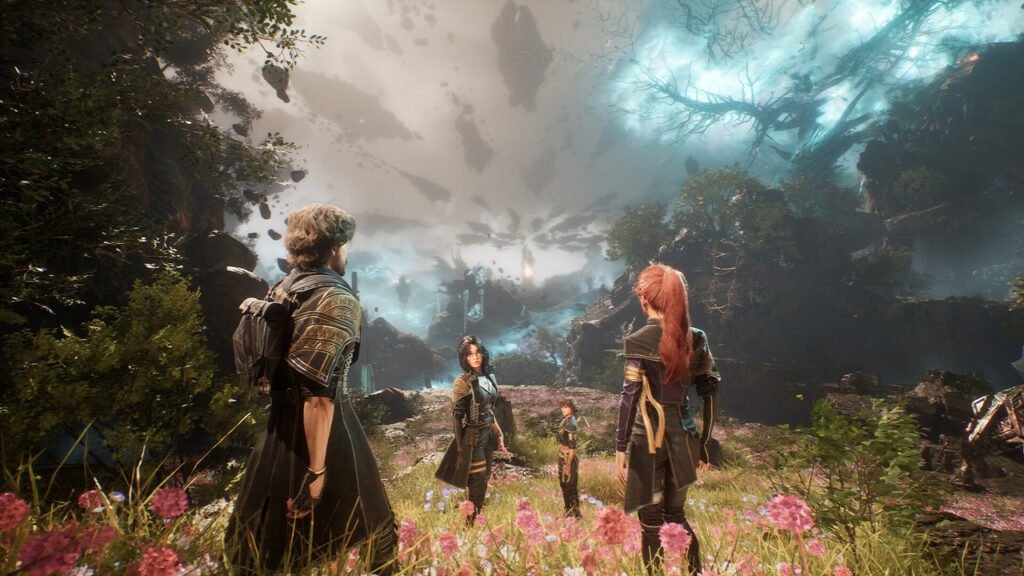
Quick Points
- Best for: Investment Gamers, Narrative Gamers
- Session fit: Works well in 30–60 minute sessions
- Long-term value: High payoff over weeks or months
- Re-entry after breaks: Easy to pick back up
- Build anxiety: Low, thanks to flexible Pictos and Lumina swapping