
When Kingdom Come: Deliverance released in 2018, it carved out a niche unlike almost any other RPG. Instead of dragons, elves, or magic, it gave players the Holy Roman Empire in the early 15th century – a place of lords, peasants, wars, and politics, grounded in real history. The game became famous for its brutal realism, steep learning curve, and dedication to historical authenticity. Some players loved it, some bounced off it, but nobody could deny that it offered something unique.
Now, with Kingdom Come Deliverance II, developer Warhorse Studios is back to continue Henry’s story while expanding on what made the first game special. Expectations are high: fans want deeper systems, smoother combat, and an even more immersive medieval world. The question is simple: does the sequel deliver, and is it worth your time?
Verdict
Kingdom Come Deliverance II is worth playing if you crave a realistic, simulation-heavy medieval RPG with deep systems, punishing but rewarding combat, and unparalleled historical immersion. However, it’s not for everyone – the steep learning curve, slower pacing, and occasional rough edges mean it’s best suited for players who value realism and depth over polish or spectacle.
The Strengths of Kingdom Come Deliverance II
A Deeper, More Immersive World
One of the most striking things about Deliverance II is how alive its world feels. NPCs don’t just stand around waiting for you – they wake up, eat, work, attend mass, and go to sleep. Markets open and close depending on the time of day, and the weather influences how people behave.
The developers have also expanded environmental simulation. Seasons affect farming, travel, and even combat. Roads become muddy after rain, slowing down horses. Winter frost creates new traversal paths but also harsher survival conditions. These mechanics make the game world feel less like a backdrop and more like a breathing ecosystem that reacts to you.
The economy is equally interconnected. If you steal goods, the town’s supply may dry up. If you ruin your reputation, merchants refuse to deal with you. Small choices ripple outward, and while this can be unforgiving, it also makes victories feel earned.
Refined and Brutal Combat
Combat in the first Deliverance was divisive. It was complex, realistic, and occasionally clunky. In the sequel, Warhorse has smoothed out the rough edges while retaining the challenge.
Swordfights are still tactical, with a strong focus on timing, positioning, and stamina management. Every swing matters. Armor plays a huge role – lightly armored opponents can be felled quickly, but knights in plate require careful exploitation of weaknesses.
The biggest improvement is responsiveness. Animations and hit detection feel cleaner, making duels less frustrating. Combat is still punishing – button mashing will get you killed – but when you master the system, victories are intensely satisfying.
Unmatched Historical Realism
If you’re tired of fantasy tropes, Deliverance II is a breath of fresh air. The game remains laser-focused on historical authenticity. Everything from architecture to clothing to the weapons you wield is grounded in research. You won’t find dragons or spells here – instead, you’ll face hunger, disease, and political intrigue.
This attention to realism makes exploration feel educational as well as entertaining. Castles and towns aren’t just eye candy; they reflect how real settlements looked and functioned in 1403. For history buffs, this is a dream come true.
Expanded Role-Playing and Consequences
One of the sequel’s biggest strengths is how consequential your actions feel. Reputation systems are more nuanced, and dialogue choices often ripple out in unexpected ways. Helping one lord may anger another, and lying to an NPC might get you short-term gains but long-term distrust.
Unlike many RPGs where choices feel cosmetic, here they directly affect your experience. Doors may close if you anger the wrong person, and side quests may vanish forever. This gives the world weight and encourages replayability.
The Weaknesses of Kingdom Come Deliverance II
A Steep Learning Curve
Just like its predecessor, Deliverance II is not beginner-friendly. The game throws a lot at you early: hunger, fatigue, disease, complex combat, reputation management. For new players, this can be overwhelming.
Expect to die. Expect to fail quests because you weren’t in the right place at the right time. Expect to get lost in systems before they start to click. For fans of hardcore RPGs, this is part of the appeal. But for casual players, it’s a barrier.
Pacing Problems
The commitment to realism sometimes slows the game down. Quests may require you to wait until morning because the NPC is asleep. Travel between settlements can feel long and uneventful. Certain missions drag, especially when you’re stuck waiting for an event or struggling to find an NPC at the right time.
This slower pace can make the game feel immersive, but it can also frustrate players used to constant action or cinematic storytelling.
Technical Roughness
Warhorse is an ambitious studio, but it doesn’t have the same resources as a massive publisher like Ubisoft or CD Projekt. As a result, Deliverance II can feel a little rough around the edges. Bugs, odd animations, and occasional quest glitches still pop up.
Compared to polished blockbusters, the seams show. If you demand flawless execution, you may be disappointed.
Narrow Appeal
The historical, no-fantasy approach is a strength, but also a limitation. Some players will miss the excitement of magical worlds, spectacular powers, or flashy set pieces. Here, your thrills come from sword duels, political schemes, and immersion in history. If that doesn’t sound appealing, Deliverance II probably isn’t for you.
Replayability and Longevity
How long does Kingdom Come Deliverance II take to beat? That depends on your approach:
- Main story only: 40-60 hours
- Story + side content: 80-120 hours
- Completionist run: 150+ hours
Replayability is strong because of the branching consequences. Aligning with different factions, making moral choices, or building your character in distinct ways (stealthy rogue vs. noble knight vs. pragmatic mercenary) changes the experience.
However, once you learn the systems, future playthroughs may feel easier or more predictable. The surprise factor fades, but the variety of approaches keeps things fresh for at least two runs.
Who Should Play Kingdom Come Deliverance II?
Play it if:
- You loved the first game and want a deeper, more polished sequel.
- You enjoy hardcore RPGs that make you earn every victory.
- You’re fascinated by medieval history and want authenticity over fantasy.
- You thrive on simulation-heavy systems like hunger, fatigue, and reputation.
Wait or skip if:
- You prefer fast, cinematic fantasy RPGs with big spectacle.
- You dislike steep learning curves or punishing mechanics.
- You want flawless polish out of the box.
- You find micromanagement (eating, sleeping, healing, maintaining gear) tedious.
Final Thoughts
So, is Kingdom Come Deliverance II worth playing?
For the right player, absolutely. It doubles down on the strengths of the original: realism, immersion, and consequence. It’s the rare RPG where you truly feel like you’re living in another time, shaping your place in a world that doesn’t revolve around you. When everything clicks – when you parry a bandit’s blade, survive a grueling quest, or see the world react to your choices – it’s unforgettable.
But this is also a game that demands patience and tolerance for rough edges. The pacing is slow, the systems are unforgiving, and bugs are part of the package. If you go in expecting a medieval Witcher 3 or Elder Scrolls, you may walk away disappointed.
If you’re looking for a grounded, uncompromising medieval RPG, this is one of the best experiences you’ll find. If you’re not ready to wrestle with its challenges, it might be wiser to wait for patches or a sale.

About the Author
Robert Davis may be middle-aged now, but he has always enjoyed playing video games. Just like others may like to curl up with a good book, he just prefers a different medium for story-telling. Now that life is much busier, he has to be choosy about which games he spends time on. And that's why Delayed Respawnse exists, because he's not the only one.
View all posts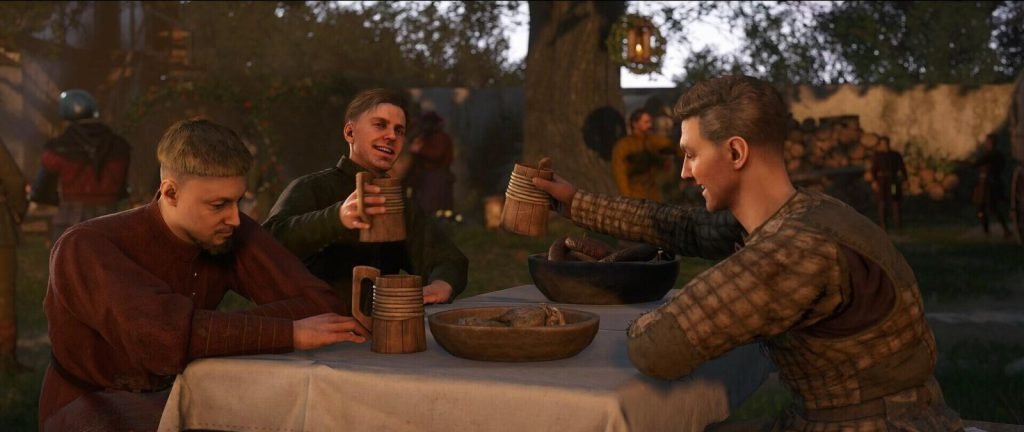
Quick Points
Is Kingdom Come Deliverance II Worth Playing?
Kingdom Come Deliverance II is worth playing if you want a brutally realistic medieval RPG with deep systems and historical authenticity, but its steep learning curve and slower pacing mean it’s best for players who enjoy challenge and immersion over accessibility.