
Downloadable content (DLC) has come a long way since the early 2000s. Once criticized as minor add-ons or cut content sold separately, DLC has matured into an art form of its own. At its best, it doesn’t just tack on missions or items, it expands the world, deepens the story, and makes you feel like you’re playing a brand new chapter. For open world games in particular, DLC can be transformative, taking an already massive setting and giving players compelling reasons to return.
The best DLCs for open world titles are remembered not as optional extras, but as essential pieces of the experience. Some introduce entire regions, others flip genres, and many rival full games in terms of content and quality. These expansions are more than side stories; they’re proof that open worlds can keep growing long after launch.
Here are five of the best DLCs ever released for open world games – expansions so good that fans still talk about them years later.
1. The Witcher 3: Blood and Wine
When players talk about DLC that feels like a full game in itself, Blood and Wine always tops the list. Released in 2016, it was the second major expansion for The Witcher 3: Wild Hunt and the final chapter in Geralt of Rivia’s saga. While the base game had already won Game of the Year awards and earned critical acclaim, Blood and Wine elevated it further.
The expansion introduced Toussaint, a sun-drenched region inspired by southern France and medieval romance. Its vibrant vineyards, colorful castles, and idyllic villages stood in sharp contrast to the war-ravaged Northern Kingdoms of the base game. But beneath the surface beauty lay corruption, politics, and monsters that tested Geralt’s skills.
Players praised its 30+ hours of content, which included a full main questline, dozens of side stories, and new mechanics like vineyard management. It also featured some of the best-written characters and moral dilemmas in the series. Many fans consider it a more fitting conclusion to Geralt’s journey than the base game’s finale.
- What Makes It Great: A new region with its own tone and identity, plus a heartfelt sendoff for Geralt
- Time Commitment: 30-40 hours
- Legacy: Often cited as the gold standard for DLC in any genre, not just RPGs
2. Red Dead Redemption: Undead Nightmare
In 2010, Rockstar Games surprised everyone with Undead Nightmare, a standalone expansion for Red Dead Redemption. Instead of more gunslinger drama, it flipped the script entirely. The Old West was suddenly crawling with zombies.
It was a bizarre idea, but it worked. Players returned as John Marston in a spooky alternate storyline where the dead walked the frontier. Familiar towns were transformed into eerie, desperate strongholds. Missions involved rescuing survivors, cleansing areas of zombies, and even encountering mythical creatures like the Four Horses of the Apocalypse.
The magic of Undead Nightmare was how it reimagined an existing open world. Players already knew the terrain of New Austin, but now they saw it through an entirely new lens. Gunfights with bandits were replaced by survival horror encounters, and the atmosphere was unforgettable.
Critics and players praised its creativity and sense of fun. It became one of the earliest examples of DLC being more than just an afterthought, it was a reinvention. Even today, many fans hope Rockstar will attempt something similar with Red Dead Redemption 2.
- What Makes It Great: Boldly transformed the base game into a horror-western hybrid
- Time Commitment: 10-15 hours
- Legacy: Showed that DLC could reimagine a game world, not just extend it
3. Horizon Zero Dawn: The Frozen Wilds
When Horizon Zero Dawn launched in 2017, it quickly became a modern PlayStation classic. Later that year, Guerrilla Games expanded its world with The Frozen Wilds, an icy northern region that pushed Aloy into harsher terrain and tougher battles.
The expansion was set in Banuk territory, a culture that had been touched on in the base game but never fully explored. By diving into their traditions, challenges, and relationship with the machine beasts, the DLC added meaningful lore to the setting. The environment itself – snowy mountains, frozen lakes, and blizzards, created new challenges for traversal and combat.
Most importantly, The Frozen Wilds introduced some of the most dangerous machines in the game, forcing players to rethink strategies. New skills, weapons, and outfits gave fresh tools to handle these encounters, making it more than just a side trip.
While smaller than expansions like Blood and Wine, The Frozen Wilds was praised for its polish, difficulty, and how naturally it fit into the base game’s narrative. For fans, it was the perfect excuse to return to Aloy’s world before the eventual sequel.
- What Makes It Great: Expanded both lore and gameplay in a challenging, atmospheric setting
- Time Commitment: 15-20 hours
- Legacy: Reinforced Horizon’s reputation as one of PlayStation’s premier open worlds
4. The Elder Scrolls IV: Shivering Isles
Before Skyrim became a household name, Oblivion set the stage and its Shivering Isles expansion remains one of Bethesda’s crowning achievements. Released in 2007, it wasn’t just an add-on but a fully fledged new world to explore.
The expansion whisked players away to the realm of Sheogorath, the Daedric Prince of Madness. Divided into the contrasting regions of Mania and Dementia, the Shivering Isles embodied Sheogorath’s chaotic personality. Quests leaned heavily into bizarre, unpredictable writing, with moments that felt both darkly humorous and unsettling.
In terms of size, Shivering Isles rivaled full games of its time, offering around 30 hours of new content. It introduced new creatures, armor, and dungeons while delivering one of the most memorable questlines in the Elder Scrolls franchise. For many players, it was the highlight of Oblivion and proof that Bethesda could push boundaries in DLC just as much as in full releases.
- What Makes It Great: A surreal, unforgettable realm with unique quests and atmosphere
- Time Commitment: 25-30 hours
- Legacy: A benchmark expansion that influenced Bethesda’s future approach to content
5. Grand Theft Auto IV: The Ballad of Gay Tony
Rockstar makes another appearance with The Ballad of Gay Tony, one of two major expansions for Grand Theft Auto IV. While the base game leaned into gritty realism, Gay Tony dialed up the chaos and flair, delivering a vibrant contrast.
Players controlled Luis Lopez, the bodyguard and business partner of flamboyant nightclub owner Tony Prince. The expansion added new weapons, vehicles, and outrageous missions that leaned into the spectacle GTA was known for. Base jumping, fighting in nightclubs, and explosive shootouts made Liberty City feel like a playground again.
What set The Ballad of Gay Tony apart was how it balanced its wilder tone with meaningful storytelling. Luis’s loyalty to Tony and his struggles in Liberty’s criminal underworld gave the DLC emotional grounding, even as missions escalated into over-the-top action.
Fans praised the expansion for injecting fun back into GTA IV, which some felt had become too serious. Combined with The Lost and Damned, it showed Rockstar’s commitment to delivering substantial, story-rich DLC that could stand alongside the main game.
- What Makes It Great: A wild, stylish injection of energy into GTA IV’s grounded world
- Time Commitment: 15-20 hours
- Legacy: Helped establish Rockstar’s reputation for ambitious, narrative-driven expansions
Final Thoughts
The best open world DLCs are remembered not as side dishes but as full courses. They succeed because they respect the base game while offering something genuinely new. Blood and Wine added an entire new kingdom and gave Geralt a proper farewell. Undead Nightmare reimagined the Wild West in a genre mash-up that shouldn’t have worked, but did. The Frozen Wilds pushed Horizon’s combat and lore further, while Shivering Isles showed that Bethesda could create expansions as ambitious as their main releases. And The Ballad of Gay Tony gave Liberty City the chaos and color it needed, cementing itself as a fan favorite.
What unites these expansions is their ambition. None of them played it safe. They gave players reasons to return not just for more of the same, but for new experiences, new challenges, and new stories worth telling.
For open world fans, these DLCs aren’t just optional extras. They’re essential parts of their respective games, and in some cases, they’re remembered as fondly as – or even more fondly than the base titles themselves.

About the Author
Robert Davis may be middle-aged now, but he has always enjoyed playing video games. Just like others may like to curl up with a good book, he just prefers a different medium for story-telling. Now that life is much busier, he has to be choosy about which games he spends time on. And that's why Delayed Respawnse exists, because he's not the only one.
View all posts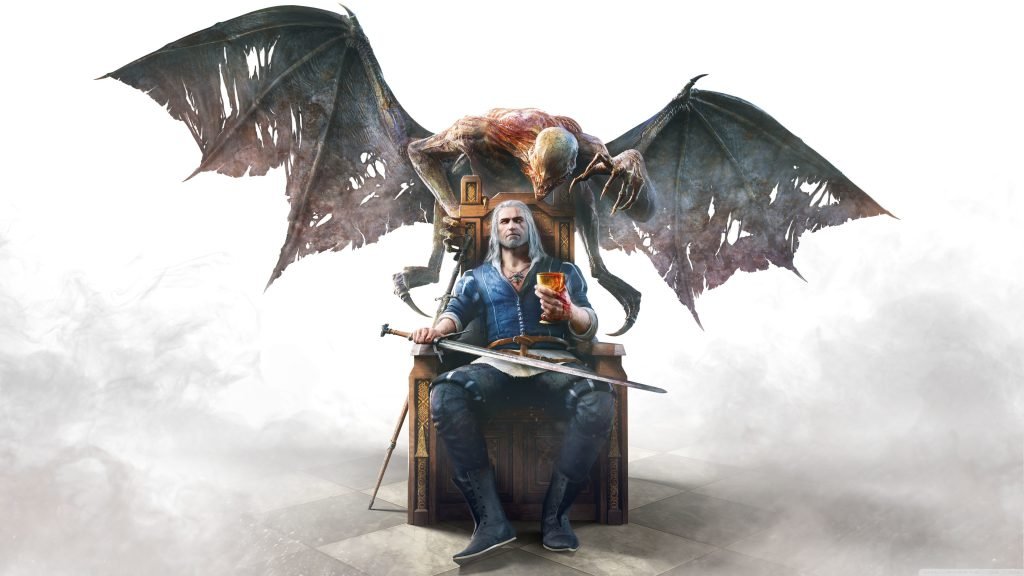
Quick Points
- The Witcher 3: Blood and Wine: A massive new region.
- Red Dead Redemption: Undead Nightmare: Horror twist.
- Horizon Zero Dawn: The Frozen Wilds: Icy new frontier.
- Oblivion: Shivering Isles: A surreal realm.
- GTA IV: The Ballad of Gay Tony: Stylish, chaotic missions.