
Open world games are often celebrated for freedom: the ability to wander, explore, and tackle challenges at your own pace. But sprinkled within those vast landscapes are bosses that stop players in their tracks. These fights are the true tests of patience and skill — encounters that punish sloppy play, demand mastery of mechanics, and sometimes feel downright impossible until everything clicks.
Some of these bosses are part of the main story, forcing everyone to face them. Others are hidden, optional nightmares designed only for the bold. Either way, they’ve become infamous in gaming circles for pushing players to their limits.
Here are eight of the hardest boss fights in open world games, why they stand out, and what it actually takes to bring them down.
1. Malenia, Blade of Miquella (Elden Ring)
Malenia has already become legendary among players, and for good reason. She is the boss that many call FromSoftware’s hardest creation, and she’s entirely optional. Tucked deep within the Haligtree, her fight is a gauntlet of speed, precision, and mechanics that punish even the most seasoned veterans.
- Where/When: Optional late-game boss in the Haligtree.
- Why She’s Hard: Malenia regains health every time she lands a hit, making mistakes extremely costly. Her aggressive combos, especially the infamous Waterfowl Dance, can wipe players in seconds. Her second phase adds scarlet rot AOE fields, ramping up the challenge even more.
- How to Win: Patience and spacing. Learn her dance pattern, bring Spirit Ashes, and lean into bleed or frostbite builds to keep her health regeneration in check.
2. Ornstein and Smough (Dark Souls Remastered)
Ask any Dark Souls veteran about their most painful memories, and Ornstein and Smough will be near the top. This fight is famous not just for its difficulty, but for how it forces players to adapt to fighting two wildly different opponents at the same time.
- Where/When: Mid-to-late game, Anor Londo.
- Why They’re Hard: Ornstein is fast and relentless, Smough is massive and punishing, and together they force constant multitasking. Defeat one, and the other absorbs their strength, making phase two brutal no matter the choice.
- How to Win: Use the pillars for cover, focus on one target, and summon help if possible. Managing both bosses requires discipline and a clear plan.
3. Ebrietas, Daughter of the Cosmos (Bloodborne)
There’s unsettling, and then there’s Ebrietas. Hidden away in the Upper Cathedral Ward, this optional boss feels more like an eldritch nightmare than a beast. Players often stumble into her fight underprepared, only to be crushed by her speed and cosmic power.
- Where/When: Optional endgame boss in the Upper Cathedral Ward.
- Why She’s Hard: Ebrietas hits like a truck with physical attacks, but it’s her magic that makes the fight so punishing. Wide-range beams and cosmic barrages can kill in one shot if players aren’t ready.
- How to Win: Stick close to her sides, punish openings after her lunges, and equip high Arcane resistance gear. Fire damage can also tilt the odds.
4. Valkyrie Queen Sigrun (God of War, 2018)
By the time players reach Sigrun, they already know what to expect from Valkyries – or so they think. The Queen is the final exam of God of War’s combat system, combining every Valkyrie’s attack pattern into one long, relentless fight.
- Where/When: Post-game optional fight after defeating all eight other Valkyries.
- Why She’s Hard: Sigrun uses every move the other Valkyries had, often chaining them together in unpredictable ways. She leaves almost no safe openings and punishes even small mistakes.
- How to Win: Memorize her attack cycles and don’t overcommit. Runic attacks, patience, and sharp timing are the keys to victory.
5. The Nameless King (Dark Souls III)
The Nameless King embodies FromSoftware’s love of epic scale and crushing difficulty. Battled atop the clouds in Archdragon Peak, this encounter feels like a mythic duel from start to finish. Many players consider him one of the toughest bosses the studio has ever made.
- Where/When: Late-game optional boss on Archdragon Peak.
- Why He’s Hard: Phase one has players juggling the King and his stormdrake, while phase two is a brutal one-on-one duel. His lightning attacks and heavy sword swings leave little margin for error.
- How to Win: Equip lightning resistance, manage stamina carefully, and be patient. Success depends on timing dodges and punishing after big swings.
6. Radiance (Hollow Knight)
The true final fight of Hollow Knight is less a duel and more a full-on survival test. Radiance pushes players to their limits with chaotic patterns and relentless bullet-hell barrages. It’s as much about platforming skill as it is about combat mastery.
- Where/When: True final boss, unlocked through specific requirements.
- Why She’s Hard: Radiance fills the screen with projectiles, beams, and spikes. The fight demands constant motion, razor-sharp focus, and near-perfect execution.
- How to Win: Stay mobile, equip charms that enhance survivability, and learn to read her phases. Shade Cloak in particular is a lifesaver.
7. Guardian Ape (Sekiro: Shadows Die Twice)
At first glance, the Guardian Ape seems like a brutal but straightforward beast fight. Then comes phase two, and everything changes. This encounter is infamous for its shocking twist and relentless design.
- Where/When: Mid-game, Sunken Valley.
- Why He’s Hard: Phase one is savage enough, with fast lunges, throws, and wide swipes. But after being decapitated, the Ape fights on, wielding its sword in unpredictable patterns. The second phase introduces terror-inducing screams that punish mistakes heavily.
- How to Win: Use firecrackers and poison in phase one, then stay disciplined in phase two. Treat it like a duel and punish cautiously.
8. Isshin, the Sword Saint (Sekiro: Shadows Die Twice)
Isshin is the ultimate skill check, and the reason many players consider Sekiro FromSoftware’s hardest game. The final boss is a gauntlet of three brutal phases that push players to absolute mastery.
- Where/When: True final boss of Sekiro.
- Why He’s Hard: Isshin cycles through katana dueling, spear combos, and even firearms. He is fast, punishes greed, and has almost no exploitable weaknesses.
- How to Win: Perfect parries, strict posture management, and patience. Victory comes from mastering the rhythm of his attacks across all phases.
Final Thoughts
What makes these bosses memorable is not just their difficulty, but how they define the open world games they appear in. Each one is a wall that forces you to slow down, learn, and adapt. Malenia teaches patience and precision in Elden Ring. Ornstein and Smough show how teamwork (or chaos) can shape a fight in Dark Souls. Sekiro’s bosses, from the Guardian Ape to Isshin, prove that true mastery is about rhythm and discipline.
Some of these encounters are optional, hidden away for only the bravest players. Others are mainline story roadblocks. But all of them share one thing: the feeling of triumph that comes from finally beating them. Open world games thrive on freedom and exploration, but these bosses remind us that the journey sometimes demands persistence, resilience, and skill. And when victory comes, it is one of the most satisfying moments gaming has to offer.

About the Author
Robert Davis may be middle-aged now, but he has always enjoyed playing video games. Just like others may like to curl up with a good book, he just prefers a different medium for story-telling. Now that life is much busier, he has to be choosy about which games he spends time on. And that's why Delayed Respawnse exists, because he's not the only one.
View all posts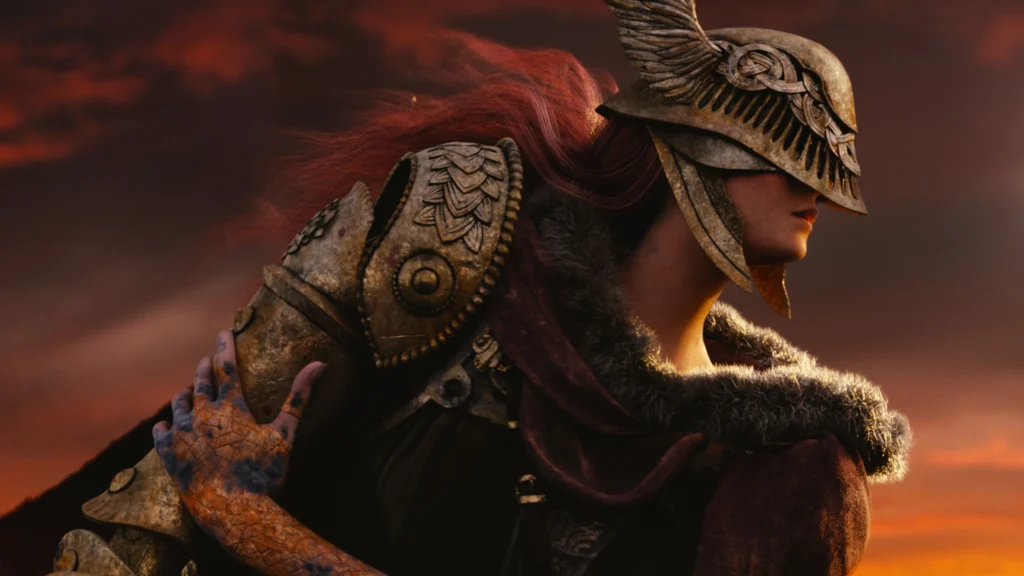
Quick Points
- Malenia, Blade of Miquella (Elden Ring)
- Ornstein and Smough (Dark Souls Remastered)
- Ebrietas, Daughter of the Cosmos (Bloodborne)
- Valkyrie Queen Sigrun (God of War, 2018)
- The Nameless King (Dark Souls III)
- Radiance (Hollow Knight)
- Guardian Ape (Sekiro)
- Isshin, the Sword Saint (Sekiro)