
If you’re looking at The Outer Worlds 2 the same way most adults look at big RPGs now, the real question isn’t whether it’s funny or whether the shooting feels better. It’s whether it respects your time. That’s the whole thing.
After playing through it, my answer is pretty simple. It does a few things much better than the first game, especially in combat flow, faction tension, and the way it pushes you into sharper choices. But it also repeats one of the oldest RPG problems in the book. It starts strong, then asks you to spend too much time in content that feels thinner than it should.
So if you’re trying to decide whether this is worth your limited evenings, here’s the honest version. The Outer Worlds 2 is at its best when you’re following the main faction conflict, building a specific character, and treating side content like a buffet instead of a checklist. If you try to clear everything, the game gets worse. Fast.
That’s the lens to use for the whole experience.
Why This Matters If You Don’t Have 60 Spare Hours
This kind of game can eat your month if you let it. Hub areas branch into side jobs, side jobs lead to companion conversations, companion conversations unlock more errands, and before you know it you’ve spent three nights talking to corporate middle managers about supply shortages you won’t remember a week later.
That sounds harsh, but it’s true.
The Outer Worlds 2 is built around choice, factions, and roleplaying. That’s good. It’s also built around a lot of optional dialogue chains, scavenging, and map cleanup that can quietly drain momentum. If you’re the kind of player who only gets an hour after work, pacing matters more than raw content count.
And this game absolutely has pacing swings.
The opening hours are great because everything feels pointed. You’re learning the new skills, seeing how your build changes combat, and getting pulled into conflicts that actually seem to matter. Later on, the ratio shifts. You still get strong moments, but they’re separated by more travel, more inventory friction, and more side content that feels like it’s there because an RPG is expected to have it.
So the best way to judge The Outer Worlds 2 is not by asking whether it has a lot to do. It does. Ask whether the best parts stay strong if you play efficiently. Mostly, yes. But only if you’re willing to skip a fair amount.
The Stuff The Outer Worlds 2 Actually Does Well
The faction conflict gives the game real direction
This is where the game earns its place. When you’re dealing directly with the major power blocs and their competing agendas, The Outer Worlds 2 feels focused in a way a lot of modern RPGs don’t. Obsidian is still good at making every faction sound just reasonable enough that your choice feels uncomfortable.
The corporate-state satire is still here, but it’s less effective as random background flavor than it is inside actual decision points. When you’re deciding who gets control of a settlement, whose security model you back, or which faction leader is lying in a more useful way, the game clicks.
That’s the content worth prioritizing because it gives you consequences you can actually feel. NPC attitudes shift. Companion approval changes. Quest outcomes ripple forward. More importantly, these missions tend to be better written and better paced than the average side errand.
If you only care about seeing what the game does best, follow the central faction story hard and don’t get distracted every time a side terminal lights up.
Combat is better when you commit to a build
The first Outer Worlds always felt a little too easy to flatten into a generic shooter with dialogue breaks. The sequel improves on that. Gunplay has more weight, abilities have clearer combat roles, and encounters are more fun if you stop trying to be good at everything.
This is a game that rewards commitment. A stealth and dialogue build feels different from a heavy weapons bruiser or a science-focused chaos gremlin. If you lean into one lane, the skill checks and combat options feel more satisfying. If you spread points around because you’re afraid of missing content, you end up with a character who can do a little of everything and nothing in an especially fun way.
That matters for time too. Specialized builds shorten fights, open cleaner solutions, and make quests more distinct from one another. Jack-of-all-trades play is technically flexible, but it also makes the game feel blurrier over time.
Pick a lane early. You’ll enjoy it more.
Companion writing is strongest in shorter bursts
The companion system still has that Obsidian strength where personalities come through quickly, banter lands, and loyalty arcs usually reveal something useful about the world. The good news is that companions are often worth bringing just for the reactions they add to major story beats.
The less good news is that not every companion thread stays equally strong all the way through. A few start with a sharp premise and then drift into familiar loyalty-mission structure. You can feel the game trying to turn every party member into a full emotional investment, and not all of them earn the same amount of your time.
My advice is simple. Do the early companion conversations. Bring different people on faction missions where their perspective obviously matters. Finish the questlines for the companions you actually like. You do not need to complete every personal errand just because the game offers it.
Some of those arcs pay off. Some just expand runtime.
The game is good at making small choices feel personal
Not every decision is galaxy-changing, and honestly that’s a plus. The Outer Worlds 2 often works best when it’s asking you to betray one fixer to protect a settlement, hand over research you don’t trust anyone with, or decide whether a local administrator is incompetent, corrupt, or just trapped inside a bad system.
Those choices are usually more memorable than the broad satire. They feel grounded. They also tend to be attached to the better quests, the ones with a clear setup, a meaningful choice, and a conclusion that doesn’t drag for another hour.
When the game stays in that lane, it’s easy to recommend.
The Questlines That Are Actually Worth Your Time
The best use of your time is the main story path plus faction-heavy missions that force a stance. Anything tied directly to control of colonies, corporate governance, security policy, research ethics, or labor disputes is usually where the writing is strongest.
Those questlines tend to do three useful things at once. They give you better dialogue, more meaningful combat setups, and actual downstream consequences. That’s the sweet spot.
Companion quests are worth doing selectively. If a companion has strong chemistry with your crew and their story intersects with one of the game’s bigger political conflicts, keep going. If their personal mission turns into a lot of travel for a payoff you can already see coming, move on.
Likewise, any mission that offers multiple solutions through dialogue, stealth, hacking, or brute force is usually worth your time because it lets your build matter. Those are the quests that make the game feel reactive instead of merely busy.
What is not worth chasing just because it exists? Collection-heavy detours, cleanup objectives in already-cleared zones, and low-stakes jobs that mostly exist to send you back across the map for one conversation and a chest of loot you probably don’t need.
The game has enough of that stuff to waste several evenings if you’re not careful.
What You Can Skip Without Missing Much
Most low-stakes side errands
If a quest starts with somebody asking you to retrieve a shipment, scan a site, or talk to three people in the same district and none of it ties into a faction struggle, a companion you care about, or a major settlement outcome, skip it.
That’s the harsh rule. It’s also the correct one.
These quests aren’t always bad, but a lot of them feel like padding between the stronger story beats. They can be mildly funny in the moment, then completely evaporate from memory. If you’re trying to protect your time, they’re the first things to cut.
Full map clearing
Do not play this like a Ubisoft game. The Outer Worlds 2 does not get better when you vacuum up every icon, container, and optional combat pocket. Exploration is fine when it happens naturally on the way to something important. It becomes a chore when you force it.
You will feel this after a few hours. Loot starts blending together. Inventory management gets annoying. The reward curve flattens out. Meanwhile the main plot is sitting there waiting for you.
Ignore the completionist itch. This game does not reward it enough.
Every companion mission
Worth repeating. You do not need them all. If a companion isn’t clicking with you, stop investing. The game gives you enough personality early on to know who you want around. Follow the people who improve your experience and leave the rest alone.
That sounds ruthless, but this is exactly how you avoid RPG burnout.
How To Approach The Outer Worlds 2 Efficiently
First, pick a build and stick with it. Dialogue plus stealth is efficient if you want to bypass fights and keep momentum. Combat-heavy builds are great if you want cleaner mission flow and less fiddling. Science-heavy setups are fun if you enjoy system interactions, but they’re only worth it if you actually like experimenting. Don’t choose that route just because it sounds clever.
Second, use settlements as triage points. When you enter a new hub, grab quests, then sort them immediately into three buckets. Main story. Faction-relevant. Disposable. Do the first two. Ignore most of the third unless you’re short on resources or genuinely amused by the premise.
Third, rotate companions based on context, not loyalty. Bring the people whose skills or worldview fit the mission. That gives you better dialogue and more useful support without turning every outing into a box-checking exercise.
Fourth, sell aggressively and stop hoarding. This game still has enough loot clutter to waste time in menus if you let it. Keep what supports your build. Dump the rest.
Finally, end sessions after a quest resolution, not in the middle of a new hub. The game throws a lot of information at you when you arrive somewhere fresh. If you’re tired and only half paying attention, you’ll accept too much and lose the thread. Finish a mission, bank the progress, then stop.
How Handheld Play Fits This Game


The Outer Worlds 2 is actually a decent fit for handheld play, but with a few caveats. On something like Steam Deck, the structure works well because the game naturally breaks into dialogue scenes, short combat encounters, and hub-based quest turn-ins. That makes it easier to squeeze progress out of 20 to 40 minute sessions.
Backbone-style streaming can also work if your connection is stable and you’re mostly doing dialogue, inventory work, or lower-pressure exploration. I would not choose cloud play for heavier combat sections if latency annoys you. This is still a shooter-RPG, and even improved gunplay gets sloppy fast when input delay creeps in.
The bigger issue on handheld isn’t performance. It’s readability and menu friction. Inventory screens, perk text, codex entries, and quest sorting are all more annoying on a smaller display. If you’re the kind of player who already dislikes menu-heavy RPGs, handheld play amplifies that weakness.
Still, if your real alternative is not playing at all, handheld is a good way to chip away at the strong parts. Just use those sessions for companion dialogue, faction decisions, and one clear quest objective at a time. Don’t try to do broad cleanup from the couch while half distracted. That’s where the game starts to feel like admin.
If You Only Have 20 Minutes, Do This
Pick one objective with a clean endpoint. A faction meeting. A companion conversation chain. One infiltration. One bounty if it directly supports your current build or resource needs.
Do not start a brand-new hub zone unless you know you can keep playing. That’s the easiest way to spend your whole session in exposition and shopping.
If you’re already mid-quest, finish the conversation-heavy parts first. The game saves your momentum better when you’ve locked in a decision or turned in a mission. Combat can wait for the next session if needed.
If you’re between major beats, use the time to respec if your build feels muddy, clear your inventory, and choose the next quest before quitting. Future-you will be grateful. That kind of setup work is boring, but it makes the next short session actually productive.
The Honest Bottom Line On What It Does Well, and What It Doesn’t
The Outer Worlds 2 does well when it is being a focused roleplaying game. The faction conflicts are the main draw. The better quests give you meaningful choices. Combat is improved enough to matter, especially if you commit to a build instead of trying to see everything. Companion banter still adds a lot, and the game can be genuinely sharp when it’s dealing with power, labor, and institutional stupidity through specific decisions instead of broad jokes.
What it doesn’t do well is sustain that quality across all of its optional content. Too many side errands feel expendable. Exploration can turn into busywork. Inventory and loot management still nibble away at your patience. The pacing absolutely softens after a strong start, and you will notice that if you try to play it like a completionist RPG.
So here’s the practical recommendation. This is worth your time if you want a choice-driven sci-fi RPG and you’re willing to be selective. Follow the main story. Prioritize faction quests. Keep the companions you genuinely enjoy. Skip low-stakes errands. Don’t clear maps for the sake of it.
Play it with intent, and The Outer Worlds 2 is a good use of your limited gaming time.
Play it like a checklist, and it becomes exactly the kind of game busy adults bounce off.

About the Author
Robert Davis may be middle-aged now, but he has always enjoyed playing video games. Just like others may like to curl up with a good book, he just prefers a different medium for story-telling. Now that life is much busier, he has to be choosy about which games he spends time on. And that's why Delayed Respawnse exists, because he's not the only one.
View all posts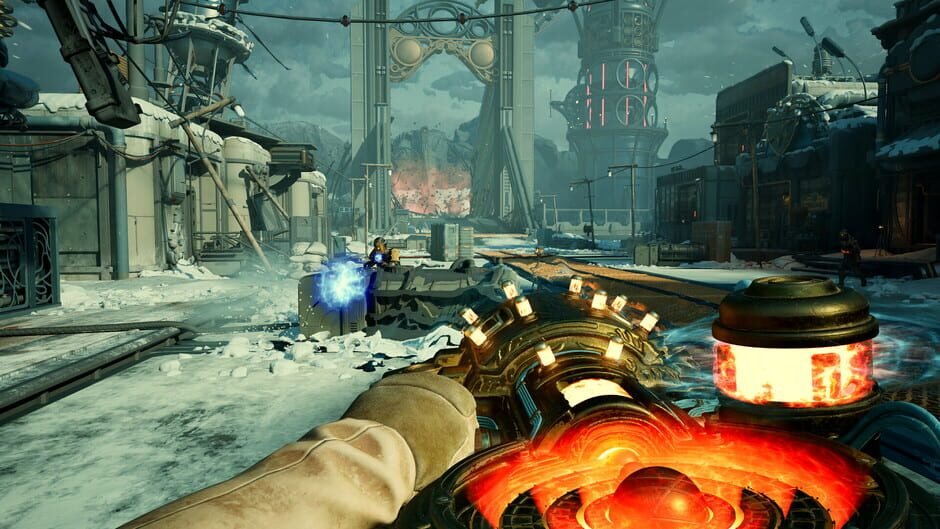
Quick Points
- Prioritize faction questlines over low-stakes side errands
- Pick a specialized build early so combat and dialogue stay interesting
- Skip full map clearing because the rewards aren’t worth the time
- Do companion quests selectively, not out of obligation