
What Actually Matters in Baldur’s Gate III
Baldur’s Gate III is the kind of game that can eat a whole month if you let it. That’s great if you’re 19 and on…
Gather your party and return to the Forgotten Realms in Baldur’s Gate 3, a generational masterpiece that sets a new gold standard for player freedom and reactive storytelling! Based on the rich lore of Dungeons & Dragons, this epic journey puts the power of a Dungeon Master in your hands. Whether you are negotiating with ancient devils or leading a desperate charge against an absolute power, the world responds to your every whim, failure, and spark of genius. This is the ultimate destination for those who want their character’s identity to be the driving force of a massive, cinematic world.
It is the kind of RPG that does not simply tell a story but lets you own one. Larian Studios has built something so reactive and richly detailed that it feels less like you are playing a narrative and more like you are shaping it as you go. Every line of dialogue, every dice roll, and every impulsive choice can ripple outward into real consequences later.
For players who do not keep up with every new release but still crave deep, story-driven experiences, Baldur’s Gate 3 is almost perfect. It feels like an old-school CRPG at heart with its tactical combat, massive dialogue trees, and player freedom, but it looks and plays like a modern epic.
In a time when many big games feel half-finished or overly monetized, Baldur’s Gate 3 feels refreshingly complete. There are no battle passes, no content roadmaps, and no sense of missing features. It is a massive, handcrafted world that rewards patience and curiosity, the kind of game that earns every hour you spend in it.
Baldur’s Gate III is a triumph of branching paths and character-driven drama. For the Narrative Seeker, this is the holy grail: a game where there is no “intended” way to play. Your background, race, class, and even the spells you choose can open up entirely unique dialogue options and quest solutions. The companions you recruit—each with their own deeply personal and often conflicting motivations—are some of the most well-written characters in the genre. The game doesn’t just tell you a story; it allows you to co-author it, ensuring that your specific journey through the Sword Coast is unlike anyone else’s.
Beneath its cinematic exterior lies a robust implementation of the D&D 5th Edition ruleset. For the Investment Gamer, the reward is found in the meticulous “theory-crafting” of your party. You aren’t just clicking on enemies; you are utilizing the environment, managing resources, and combining class abilities in creative ways to overcome impossible odds. The game rewards long-term engagement by providing a constant stream of magical items and level-up choices that fundamentally alter your tactical options. Every hour spent learning the nuances of the combat system pays off in the sheer satisfaction of a perfectly executed plan.
Combat in Baldur’s Gate III is a high-stakes puzzle where positioning and creativity are just as important as raw power. You can shove enemies off cliffs, freeze pools of water to make them slip, or use a “Speak with Animals” spell to convince a nearby bear to join the fray. The turn-based nature of the game allows for a thoughtful, methodical pace that perfectly suits the “Investment” mindset. Every encounter feels hand-crafted and meaningful, ensuring that combat never feels like a repetitive obstacle, but rather a chance to express your character’s growing power and your own strategic brilliance.
Despite its massive scale and complex systems, Baldur’s Gate III features top-tier motion capture and voice acting for every single interaction—even the ones involving animals or the dead. For those seeking a high-quality escape, the visual fidelity of the characters and the atmospheric design of locations like the Underdark or the city of Baldur’s Gate itself are breathtaking. The game treats every small interaction with the same level of care as its major plot points, ensuring that your immersion is never broken and your time in the Forgotten Realms feels consistently “premium.”
One of the most refreshing aspects of the game is its “Yes, And” philosophy. If you can think of a solution, the game usually supports it. Want to bypass a guarded gate by turning into a gaseous cloud? You can. Want to talk your way out of a boss fight using high Charisma? You often can. This variety ensures that the game never feels like a “grind” of combat encounters. For the busy gamer, this means you can tailor your playstyle to match your energy level—engaging in deep tactical battles one day and focusing on character-driven dialogue the next.
The level of personalization extends far beyond the “Character Creator.” As you progress, your choices in gear, feats, and multiclassing allow you to build a party that feels uniquely yours. The “Alchemy” and “Crafting” systems provide additional layers of preparation for those who enjoy being over-prepared. This sense of ownership over your party’s growth and their place in the world’s power structure is incredibly rewarding, making every level gained feel like a significant milestone in your legendary odyssey.
For players who focus primarily on the main questline and the most important companion arcs, the journey through the three acts of Baldur’s Gate III will take approximately 60 to 80 hours. While this is a significant investment, the game is naturally divided into major “Acts” that serve as excellent milestones. You can complete Act 1, take a break for a week, and return without feeling like you’ve lost the thread of the narrative, making it more manageable than the raw hour-count might suggest.
If you choose to delve into the many optional dungeons, side quests, and “hidden” areas (like the Mountain Pass or the deeper Underdark), your playtime will easily reach 100 to 120 hours. These side stories are often as complex and reactive as the main plot, frequently intersecting with the central narrative in surprising ways. This path is ideal for the Narrative Seeker who wants to see how their choices ripple across the lives of the common folk and the high-ranking power players of the Sword Coast.
For those who want to see every possible permutation, complete every quest, and find every legendary item, the total time investment can exceed 150 to 200 hours. Because the game is so reactive, a second or third “Dark Urge” playthrough can feel like a completely different game, offering hundreds of hours of additional value. This is a title designed to be your “main game” for an entire season, providing a level of depth that very few games in history have ever matched.
Curious what Baldur’s Gate III is all about? The trailer gives you a great first look at the world, the vibe, and the kind of story you're stepping into.
These videos give some tips and pointers on getting started with Baldur’s Gate III
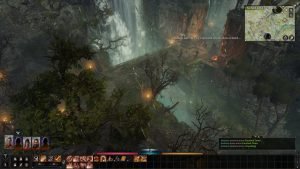
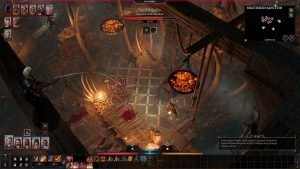
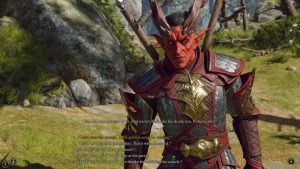
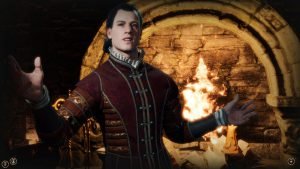
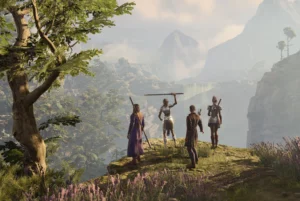
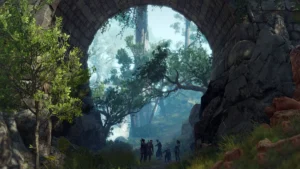
Want to see what Baldur’s Gate III actually looks like in-game? These screenshots will hopefully give you a feel for what the world of Baldur’s Gate III is like.
Baldur’s Gate III is the kind of game that can eat a whole month if you let it. That’s great if you’re 19 and on…
There is a moment in every gamer parent’s life when your child looks at you holding a controller and says, “Can I try?” What happens…
Let’s be honest, before you commit to a giant RPG, you want to know what you’re getting into. For gamers who can only carve out…
When Baldur’s Gate III launched, it didn’t just revive a legendary RPG franchise. It redefined what modern role-playing games could be. Developed by Larian Studios,…
Not at all. While the game uses D&D rules, it handles all the “math” behind the scenes. The UI is intuitive, and the game does an excellent job of explaining mechanics as they become relevant. If you enjoy a good story and tactical thinking, you will feel right at home regardless of your tabletop experience.
Dice rolls represent the element of chance in the world. Failing a roll isn’t a “Game Over”, it often leads to a different, sometimes more interesting narrative path. This encourages you to live with your consequences rather than “save-scumming,” making the story feel more like a real, unpredictable adventure.
Yes, the game features a seamless drop-in/drop-out co-op mode for up to four players. You can share the journey with friends, each controlling your own character and making decisions together. It’s an incredible way to experience the story, though it does require coordinating schedules for a long-term commitment.
The game offers multiple difficulty settings, including an “Explorer” mode that focuses on the story and makes combat significantly more forgiving. This allows you to enjoy the world-class narrative and character interactions without getting bogged down by the tactical complexity if that isn’t your primary interest.
Each Act transition acts as a point of no return for certain quests. The game is very clear about warning you when you are about to progress, giving you a chance to tie up loose ends. This structure helps you organize your play sessions and provides a great sense of closure at the end of each major chapter.
Great games dont have an expiration date. Take our quiz and we will find you the perfect game.
Take the QuizSome of the links on this site are Amazon affiliate links, which means if you click through and make a purchase, I may earn a small commission—at no extra cost to you. It’s a simple way to help support the site and keep the game recommendations coming. Thanks for your support!