High-Skill, Low-Hassle: The Best Timing Games for Busy Players
Some games reward preparation. Others reward experimentation. And then there are games that reward one specific skill above all else: timing. If you are good…
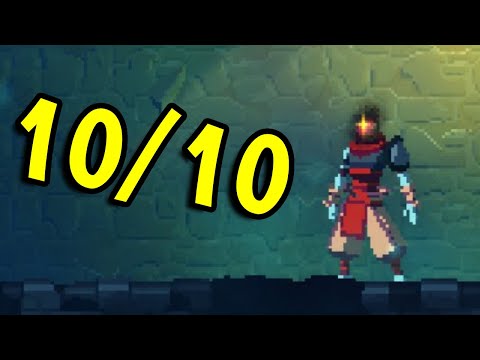
Dead Cells is built around fast, responsive combat and runs that feel different every time you play. Each attempt blends precise movement, well-timed attacks, and fluid exploration with striking pixel art that stays clear even when things get hectic. Whether you jump in for a quick run or settle in for a longer session, Dead Cells offers a challenging but fair loop that rewards skill, adaptation, and steady improvement without demanding constant commitment or competitive pressure.
Dead Cells is built around fast, repeatable runs through shifting environments where failure is part of progress. Levels change from run to run, forcing you to adapt rather than memorize layouts. The pixel art is sharp and readable, and the animation keeps combat clear even at high speed. Exploration matters, but momentum matters more, with branching paths and secrets that reward curiosity without slowing the pace. Each run feels self-contained while still feeding into long-term improvement.
Combat is the core of Dead Cells, and it rewards clean execution. Attacks, dodges, and parries all rely on precise timing, making encounters feel fair but demanding. Weapons and skills dramatically change how a run plays, encouraging experimentation rather than locking you into one approach. Mutations and upgrades add meaningful decisions without overwhelming complexity, pushing you to adapt your strategy based on what the game gives you. Success comes from reading situations quickly and committing to the right choices.
Dead Cells is designed to be replayed, not completed once and shelved. Unlocks open up new weapons, paths, and challenges, keeping runs from feeling repetitive. Risk-reward decisions are constant, whether you push into tougher areas or play it safe to survive longer. Over time, improvement comes less from power and more from consistency and timing. For players who enjoy learning through repetition and refining execution, Dead Cells offers replay value that feels earned rather than padded.
Dead Cells uses sharp pixel art and fluid animation to keep combat readable even at high speed. Environments are distinct and easy to parse, which matters in a game where split-second decisions can end a run. Color and motion work together to highlight threats, openings, and movement paths rather than distract from them. The result is a world that feels alive without becoming visually noisy, encouraging exploration while keeping the focus on momentum and control.
Dead Cells gives players a lot of freedom in how each run unfolds. Weapons, skills, and upgrades appear organically, pushing you to adapt rather than follow a preset build. Different loadouts dramatically change how combat feels, from fast, evasive playstyles to slower, more deliberate approaches. This constant variation keeps exploration interesting and ensures that no two runs play out the same. Experimentation is rewarded, and discovering a strong or unexpected combination often becomes the highlight of a run.
Dead Cells manages to be demanding without being overwhelming. Controls are responsive and intuitive, making it easy to jump in, while depth comes from learning enemy patterns and refining timing. Difficulty ramps naturally as you improve, turning progress into a reflection of skill rather than grinding. Whether you play for a short burst or a longer session, the game delivers a satisfying sense of improvement without asking for heavy specialization or long-term commitment.
A single run in Dead Cells usually lasts between 30 minutes and an hour, depending on how aggressively you play and which paths you take. Rushing through biomes shortens runs, while exploring side areas and optional challenges stretches them out. Because levels and enemy placements change from run to run, pacing rarely feels repetitive. Each attempt delivers a complete loop of combat, decision-making, and progression, making it easy to fit into a schedule without feeling cut short.
Reaching the final boss in Dead Cells is less about raw time and more about learning the systems. Many players see the credits after 15 to 20 hours, though that number can vary widely depending on familiarity with roguelikes and timing-focused combat. Unlocking new weapons, abilities, and biomes often takes longer than a single clear, and early victories rarely represent full mastery. Progress tends to come from improving execution and decision-making rather than simply pushing forward.
Dead Cells is designed to stay relevant well beyond a first completion. Randomized layouts, a wide variety of weapons, and difficulty modifiers like Boss Cells continually reshape how the game plays. Each added layer asks more of your timing and consistency, encouraging repeated runs with new strategies. For players who enjoy refining skills and experimenting with different builds, Dead Cells can easily become a long-term game rather than a one-time experience.
Curious what Dead Cells is all about? The trailer gives you a great first look at the world, the vibe, and the kind of story you're stepping into.
These videos give some tips and pointers on getting started with Dead Cells
Want to see what Dead Cells actually looks like in-game? These screenshots will hopefully give you a feel for what the world of Dead Cells is like.
DLC just means more of a good thing. Here are some for Dead Cells
Dead Cells: Return to Castlevania blends Dead Cells’ fast, timing-driven combat with the gothic tone and iconography of the Castlevania series. The setting leans heavily into Dracula’s castle, filled with familiar imagery and deliberate callbacks that feel earned rather than nostalgic window dressing. The darker atmosphere pairs naturally with Dead Cells’ pace, creating an expansion that feels like a proper crossover instead of a themed reskin. It’s especially appealing for players who appreciate classic Castlevania aesthetics without giving up modern responsiveness.
The expansion adds meaningful content rather than surface-level flair. New enemies and bosses demand the same clean timing and movement Dead Cells is known for, while Castlevania-inspired weapons introduce different rhythms and playstyles. Characters like Richter and Alucard are integrated directly into the experience, helping anchor the crossover in gameplay rather than cutscenes. The updated soundtrack reinforces the tone, blending familiar Castlevania motifs with Dead Cells’ intensity to keep combat feeling sharp and focused.
Return to Castlevania fits seamlessly into Dead Cells’ pick-up-and-play structure. Runs remain flexible, allowing you to explore the new areas in short sessions or settle in for longer attempts without friction. The DLC respects your time while still rewarding curiosity and experimentation, making it a strong addition whether you are returning to Dead Cells or still working toward mastery. It adds variety without increasing complexity, which keeps the experience accessible while staying true to the game’s core loop.
Dead Cells: The Queen and the Sea pushes the game beyond familiar biomes and into darker, more dangerous territory. The new areas replace parts of the existing progression with shipwrecks, cliffs, and coastal environments that emphasize vertical movement and careful positioning. These biomes feel distinct without breaking the game’s flow, offering fresh routes that reward exploration and adaptability. Visuals and sound design lean into isolation and tension, giving the expansion a mood that feels different while still fitting Dead Cells’ core identity.
The Queen and the Sea introduces enemies that demand sharper timing and awareness. Pirate-themed foes and sea-bound threats attack in unfamiliar patterns, forcing players to adjust rather than rely on muscle memory. New weapons and abilities add meaningful options, offering different pacing and combat rhythms without trivializing encounters. Characters introduced along the way serve more as mechanical anchors than narrative exposition, keeping the focus on combat and progression while adding context to the journey.
This expansion is aimed squarely at players looking for a tougher, more focused path through Dead Cells. New bosses and encounters raise the difficulty in a way that feels earned, asking for consistency and clean execution rather than brute force. Progression remains flexible, allowing runs to stay manageable even as the challenge increases. Whether you are pushing deeper into endgame content or exploring alternative routes, The Queen and the Sea adds replay value without inflating playtime, making it a strong addition for players invested in long-term mastery.
Dead Cells: Road to the Sea expands the game’s world with new routes that move beyond the familiar interior biomes. These coastal and ocean-adjacent areas introduce different layouts and pacing, encouraging players to rethink movement and positioning. Exploration feels purposeful, with alternate paths and hidden areas that reward curiosity without disrupting the game’s momentum. The maritime tone adds variety while staying consistent with Dead Cells’ fast, run-based structure.
Road to the Sea introduces additional weapons that meaningfully change how combat unfolds. Long-range options and sea-themed gear offer new ways to approach encounters without replacing the importance of timing and execution. Enemies are designed to break familiar patterns, forcing players to adapt rather than rely on established habits. Each fight becomes a small test of awareness and reaction, reinforcing the game’s emphasis on flexibility and skill.
Beyond combat, the DLC adds optional objectives and quests that push players to explore its new environments more deliberately. These moments are woven into runs naturally, offering context and discovery without slowing progress. The new areas feel distinct but compact, making them easy to engage with in short sessions or longer play stretches. Road to the Sea complements the main game by adding variety and replay value without inflating playtime, making it a natural extension rather than a distraction.
In Dead Cells, players engage in a fast-paced, action-platforming experience where smooth combat and exploration are key. You control a nameless protagonist through procedurally generated levels, using a combination of weapons, skills, and dodge rolls to defeat enemies. Mastery of timing and strategic use of abilities is crucial for survival and progression.
Dead Cells is designed with accessibility in mind, offering a range of graphical settings to accommodate various system capabilities. The game runs smoothly on most modern PCs and consoles, with recommended requirements including a mid-range CPU, 2GB RAM, and a dedicated graphics card. While generally stable, players occasionally report minor bugs, which the developers frequently address with patches.
Content progression in Dead Cells is achieved through a roguelike system where each run offers new challenges and opportunities to unlock weapons and abilities. The game’s high difficulty and permadeath mechanics contribute to its strong replay value, encouraging players to refine their skills and strategies across multiple playthroughs. This dynamic ensures a fresh experience with each run, despite the permadeath feature.
Dead Cells is primarily a single-player game focused on delivering a solitary, immersive experience. It does not feature traditional multiplayer or co-op modes. However, the community is active across various platforms, offering tips and strategies for those seeking to improve their gameplay or discuss the game with fellow enthusiasts.
Dead Cells is available on multiple platforms, including PC, PlayStation, Xbox, Nintendo Switch, and mobile devices. While the core gameplay remains consistent across all versions, each platform may offer unique features like controller support or touch controls for mobile. The game also has several DLCs available, expanding its content with new levels, weapons, and challenges.
Great games dont have an expiration date. Take our quiz and we will find you the perfect game.
Take the QuizSome of the links on this site are Amazon affiliate links, which means if you click through and make a purchase, I may earn a small commission—at no extra cost to you. It’s a simple way to help support the site and keep the game recommendations coming. Thanks for your support!