Delayed Respawnse
  • About
  • Articles
  • Games
  • Franchises
  • Respawnses
  • Tier Lists
What Game Should I Play?
  • Home
  • About
  • Articles
  • Games
  • Xbox
  • Playstation
  • Nintendo
  • PC
  • Franchises
  • Respawnses
  • How We Score Games
  • Tier Lists
  • Take Our Quiz
  • Join the Community
  1. Home
  2. /
  3. Games
  4. /
  5. Dead Cells

Dead Cells

Overall Rating: 4.24 • 1729 reviews
The Sprint Player The Investment Gamer

Dead Cells is a fast-paced roguelike action platformer built around short, repeatable runs and constant build experimentation. Most sessions last between 20 and 40 minutes, delivering complete gameplay arcs within a defined window. Death resets the map, but permanent upgrades, weapon unlocks, and difficulty tiers ensure that progress compounds over time.

This makes it a natural fit for the Sprint Player who prefers contained sessions with clear endpoints and the Investment Gamer who enjoys long-term progression layered across multiple runs. Combat rewards speed, positioning, and adaptability. Improvement is both mechanical and systemic.

Get It Now Join the Community

Details

Some of the particulars and information about Dead Cells.
Developer: Plug In Digital
Release Date: August 7, 2018
How Long to Beat: 15 hrs

Great for:

The Sprint Player The Investment Gamer

Ratings

Some of the ratings and scores for Dead Cells.
88 Metacritic
9.5 IGN
-- Our Score

Genres

Action
Adventure
Roguelike

Systems

Here's where you can find Dead Cells and play.

ESRB: Teen

Blood and Gore
Language
Violence
Overview
Why Play?
How Much Time?
Overview

Dead Cells combines fast, responsive combat with procedurally shifting runs that reward timing, adaptability, and clean execution within structured 20 to 40 minute sessions

Why Play?

Dead Cells is a fast-paced roguelike built around timing-driven combat, shifting run structure, and layered progression that supports both short sessions and long-term system mastery

How Much Time?

Dead Cells delivers 20 to 45 minute runs with clear endpoints, while long-term unlock progression and higher difficulty tiers extend playtime across dozens of hours

A Run Structure That Respects Momentum

Dead Cells is built around fast, repeatable runs through procedurally shifting environments. Layouts change each attempt, encouraging adaptation rather than memorization.

Exploration exists, but forward momentum defines the experience. Branching paths and hidden areas reward curiosity without stalling pacing. Most runs feel self-contained while still contributing to permanent unlock progression.

For the Sprint Player, this structure creates complete gameplay arcs within a defined window.

Combat That Prioritizes Timing and Build Flexibility

Combat is responsive and timing-driven. Dodges, parries, and attack chains demand precision, especially as enemy density increases later in a run.

Weapons and skills significantly alter pacing. A heavy melee build plays differently from a ranged or status-focused setup. Mutations introduce meaningful trade-offs without overwhelming complexity.

For the Investment Gamer, experimentation across runs becomes part of long-term system mastery.

Replayability Built on Unlock Progression

Permanent upgrades unlock new weapons, routes, and difficulty tiers. While individual runs reset, the overall system steadily expands.

Risk-reward decisions remain constant. Pushing into harder biomes yields better rewards but increases failure risk.

Replay value comes from layered progression rather than content sprawl. Each run reinforces mechanical familiarity while expanding strategic options.

Visual Clarity That Supports Speed

Dead Cells uses sharp pixel art and fluid animation to maintain combat readability at high speed. Enemy tells are distinct, movement paths are clear, and visual effects rarely obscure threats.

This clarity matters in a timing-driven system. Split-second decisions determine survival. The presentation supports momentum rather than competing with it.

The atmosphere enhances pacing without slowing it.

Exploration Driven by Build Decisions

Each run presents new weapons, skills, and mutations that shape your approach. Loadouts are not cosmetic. A survival-focused build plays very differently from a tactics or brutality setup.

For the Investment Gamer, unlock progression expands viable combinations over time. Blueprint collection and difficulty tiers create long-term system depth layered across runs.

Exploration remains meaningful because decisions affect survivability and damage scaling immediately.

Challenge That Rewards Clean Execution

Combat is demanding but consistent. Success depends on positioning, timing, and adapting to enemy density rather than memorizing fixed layouts.

For the Sprint Player, the run structure delivers contained sessions with clear outcomes. For the Investment Gamer, repeated attempts expand build variety and strategic understanding.

Progress reflects skill growth and system familiarity rather than simple stat inflation.

Time Investment for a Single Run

A typical run in Dead Cells lasts between 20 and 45 minutes depending on route, pace, and difficulty tier. Rushing through biomes shortens the session, while exploring side paths and optional elites extends it.

Each run delivers a complete combat loop with a clear endpoint. Success or failure, the structure feels contained rather than open-ended.

For the Sprint Player, this makes it easy to complete a full session without losing momentum.

Total Playtime to Reach the Ending

Seeing the credits often takes 15 to 25 hours, depending on familiarity with roguelikes and timing-driven combat.

However, a first clear rarely represents full system mastery. Unlocking weapons, mutations, and biome routes takes longer, and early victories usually rely on favorable builds rather than consistency.

Progress reflects growing understanding of pacing, positioning, and risk management.

Built for Long-Term Replay

Boss Cells and higher difficulty tiers significantly extend playtime. Each level increases enemy aggression and tightens margin for error.

For the Investment Gamer, blueprint hunting and build experimentation provide layered progression across dozens of hours. While individual runs reset, the system expands steadily.

Dead Cells can be completed relatively quickly, but long-term mastery can stretch well beyond 50 hours for players who continue refining execution.

Trailer

A Quick Look at Dead Cells

Curious what Dead Cells is all about? The trailer gives you a great first look at the world, the vibe, and the kind of story you're stepping into.

Dead Cells Trailer
Videos

Related videos for Dead Cells

These videos give some tips and pointers on getting started with Dead Cells

Dead Cells Review 2025 - Still Worth It Today?

Game Grader

The Perfection of Dead Cells

Burr

Dead Cells Review (v2)

IGN

I was WRONG about Dead Cells

Wyvrn
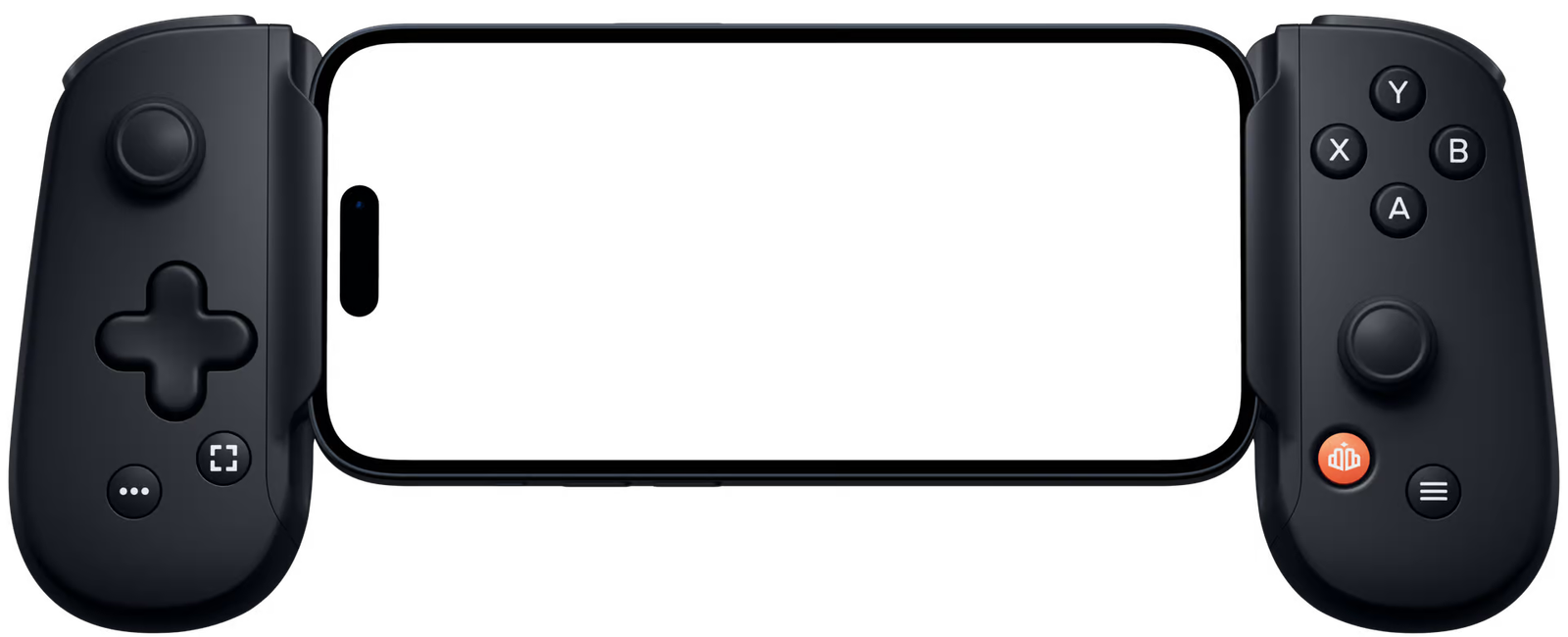
Backbone One

Competing For the TV at Home? No Problem! Here's How You Can Play Dead Cells on your phone.

You don't have to compete with the family for the TV to play console games anymore. With the Backbone One, your phone becomes your Xbox or PS5 controller, giving you the freedom to pick up and play when life gives you a spare moment. It's how we get most of our playtime in.
Backbone Backbone
Get Yours Today
Screenshots

Screenshots of Dead Cells

Want to see what Dead Cells actually looks like in-game? These screenshots will hopefully give you a feel for what the world of Dead Cells is like.

Dead Cells
Dead Cells
Dead Cells
Dead Cells
Dead Cells
Dead Cells
Dead Cells
Dead Cells
Dead Cells
Dead Cells
Extras

Downloadable Content for Dead Cells

DLC just means more of a good thing. Here are some for Dead Cells

Dead Cells: Return to Castlevania
Dead Cells: The Queen and the Sea

Dead Cells: Return to Castlevania

A Thematic Shift That Preserves Run Momentum

Return to Castlevania introduces new stages inspired by the Castlevania series, including branching routes that integrate directly into existing run paths.

The biomes maintain the same pacing expectations. Combat remains fast and timing-driven, and sessions still resolve within the standard 20 to 45 minute window.

For the Sprint Player, the expansion does not extend runs beyond manageable lengths. It adds variation without altering structure.

New Weapons and Enemy Patterns

The DLC includes iconic weapons and enemies that slightly adjust combat pacing. Some weapons emphasize ranged precision, while others reward close-range control.

Enemy design leans toward telegraphed attacks and structured boss phases, reinforcing timing and pattern recognition.

For the Investment Gamer, these additions expand blueprint collection and build experimentation across multiple runs.

Boss Encounters That Reward Execution

The DLC bosses emphasize clean execution and positioning rather than random pressure. Fights are mechanically focused and consistent with the base game’s philosophy.

They integrate naturally into higher Boss Cell difficulty tiers, scaling appropriately without inflating length.

Return to Castlevania functions as a meaningful extension rather than cosmetic content. It adds depth to build variety and route selection while preserving the fast, repeatable structure that makes Dead Cells effective for both the Sprint Player and the Investment Gamer.

Dead Cells: The Queen and the Sea

Alternate Endgame Routes With Increased Risk

The Queen and the Sea introduces branching late-game paths that replace existing final biomes. These areas emphasize tighter platforming sections, higher enemy density, and more environmental hazards.

Run length remains consistent with the base game, but difficulty increases through enemy placement and movement challenges rather than inflated health pools.

For the Sprint Player, the session structure remains intact. For the Investment Gamer, the new routes expand long-term strategic options.

Weapons and Builds That Shift Pacing

New weapons and skills introduced in this DLC alter combat rhythm. Some favor mobility and burst damage, while others reward sustained positioning and crowd control.

Blueprint collection and experimentation deepen build variety across multiple runs. These additions expand the system rather than complicate it.

For the Investment Gamer, this layer increases replay value without extending individual run length.

A Final Boss That Tests Consistency

The DLC culminates in a mechanically focused boss encounter that demands spacing, timing, and sustained composure.

Victory depends on consistent execution rather than build exploitation. Higher Boss Cell tiers further tighten margins for error.

The Queen and the Sea adds meaningful late-game depth while preserving the contained run structure that makes Dead Cells effective for both the Sprint Player and the Investment Gamer.

Articles

Read More About Dead Cells.

January 8, 2026

High-Skill, Low-Hassle: The Best Timing Games for Busy Players

Some games reward preparation. Others reward experimentation. And then there are games that reward one specific skill above all else: timing. If you are good…

Frequently Asked Questions

Have Questions About Dead Cells?

How long does a typical run in Dead Cells take?

Most runs last between 20 and 45 minutes depending on route and difficulty tier. Faster routes can shorten sessions, while exploring optional biomes extends them.

How long does it take to beat Dead Cells?

Many players reach the final boss in 15 to 25 hours. However, unlocking higher Boss Cell difficulties and additional content can extend total playtime well beyond 50 hours.

Is Dead Cells good for short play sessions?

Yes. Each run functions as a contained session with a clear endpoint. Even failed runs contribute to permanent unlock progression.

Does build choice matter in Dead Cells?

Yes. Weapon scaling paths, mutations, and skill combinations significantly affect pacing and survivability. Different builds can dramatically change how a run unfolds.

Is Dead Cells beginner friendly?

The controls are responsive and intuitive, but the game can be challenging. Difficulty increases gradually, and permanent unlocks help smooth early progression.

It's Never Too Late to Start Playing.

Not What You're Looking For?

Great games dont have an expiration date. Take our quiz and we will find you the perfect game.

Take the Quiz
Related Games

Other Games You Might Enjoy

If you like Dead Cells, then you may like these ones as well.

Delayed Respawnse

Some of the links on this site are Amazon affiliate links, which means if you click through and make a purchase, I may earn a small commission—at no extra cost to you. It’s a simple way to help support the site and keep the game recommendations coming. Thanks for your support!

Copyright © 2026 Delayed Respawnse. All Rights Reserved.

Platforms

  • Xbox
  • Playstation
  • Nintendo
  • PC

About

  • About
  • Privacy Policy
  • Terms and Conditions
  • Sitemap

Find Your Next Game

  • Take Our Quiz
  • Quiz Results
  • How We Score Games