Which NBA 2K Games Are Worth Playing?
If you’re trying to figure out which NBA 2K games are actually worth loading up in 2025, the answer is not “just play the newest…
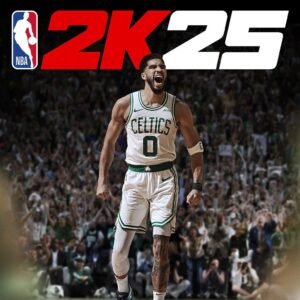
NBA 2K26 is built around quick, satisfying runs to the rim and cleaner possession flow, with sharper spacing and more readable teammate movement than recent entries. It still has the long-haul pull of roster building and player growth, but it is easier to jump in, finish a few games, and feel steady progress without living in the menus.
NBA 2K26 feels built for shorter, more satisfying stretches of play. Offensive sets read more clearly, teammates fill space with less confusion, and drives to the basket have a stronger sense of momentum, so each possession gets to the point faster than some recent entries.
That cleaner flow matters whether you are calling for a screen, attacking a closeout, or simply moving the ball until a lane opens. You spend less time fighting muddy spacing and more time making quick decisions that lead to a shot, a kick-out, or a stop on the other end.
The timing-heavy shooting still asks for focus, but the surrounding play is easier to read, which makes misses and makes feel more connected to your choices. Good ball movement creates better looks, and defensive pressure is easier to recognize before you commit to a jumper or force your way inside.
On defense, that same readability helps you stay involved without needing to micromanage every matchup. Rotations, passing lanes, and help coverage are easier to anticipate, so even a single game can feel complete instead of messy.
Outside the court, NBA 2K26 still has the long-term appeal of building a player, improving a roster, and chasing better lineups across its major modes. The difference is that progress comes through more naturally from playing games, not just from spending long stretches buried in menu management.
That makes it easier to bounce between a few MyCareer outings, a team-building session, or a quick run of standard games and still feel like something advanced. If you like sports games that reward regular check-ins without demanding an all-night commitment, this entry is better tuned for that kind of rhythm.
NBA 2K26 is worth playing because it gets to the good part of basketball faster. Possessions are easier to read, teammates react in more sensible ways, and driving lanes develop with less guesswork, so even a single quarter can feel productive instead of messy.
That makes short play sessions more rewarding. You spend less time forcing the action and more time recognizing openings, finishing strong at the rim, or moving the ball once or twice before a clean shot appears.
The game also does a better job of making progress feel visible without demanding a huge time investment. In MyCareer and team-building modes, each session gives you a clearer sense that your player, lineup, or approach is getting better, even if you only squeeze in a couple of games.
NBA 2K26 has the long-term pull that keeps sports games in rotation, but it is less dependent on endless menu work to create that payoff. You can make real headway through play, then step away feeling like the time counted.
One of the best reasons to stick with NBA 2K26 is how much smoother the overall rhythm feels compared with entries that could bog down in confused spacing and awkward movement. Offensive flow is more readable, which means fewer dead possessions and fewer moments where the game seems to fight your intention.
That smoother pacing helps whether you want a quick exhibition, a focused MyCareer run, or a few roster-building matches. It gives each mode a cleaner start-to-finish feel, making it easier to jump back in regularly without needing a long warm-up just to enjoy yourself.
A focused run through NBA 2K26 usually lands around 35 to 45 hours if you mainly follow MyCareer, play the key games, and move through the off-court scenes without lingering in every side activity. Progress comes in a steady loop of games, training, upgrade choices, and short story beats, so the structure feels more like a season schedule than a traditional campaign.
That makes it easy to divide into practical chunks. One NBA game, a drill, and a bit of attribute management can fit into 30 to 45 minutes, while a longer session of 60 to 90 minutes is enough to clear multiple games and noticeably move your player forward.
If you want the fuller version of NBA 2K26, expect more like 60 to 100+ hours. Extra time comes from building out a stronger MyPlayer, pushing deeper into a season, experimenting with MyTeam or franchise-style modes, and spending more time chasing badges, roster upgrades, and better lineup chemistry.
Replay value is where the clock really stretches. Different builds, team choices, and mode priorities can change how each run feels, and the game is designed so even short sessions feed long-term progress. It is possible to treat it as a series of quick basketball blocks, but the upgrade loops and seasonal grind can quietly turn it into a regular habit.
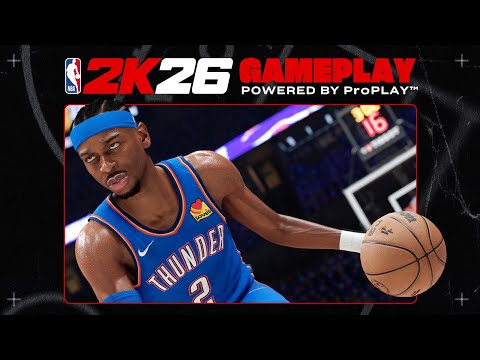
Curious what NBA 2K26 is all about? The trailer gives you a great first look at the world, the vibe, and the kind of story you're stepping into.
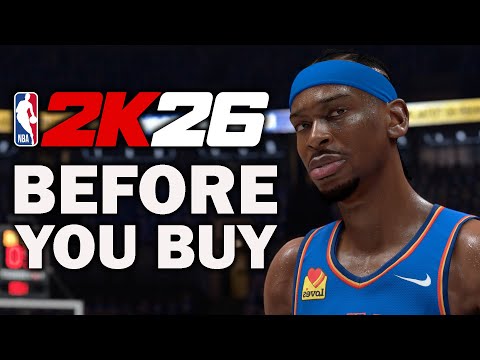
These videos give some tips and pointers on getting started with NBA 2K26
Want to see what NBA 2K26 actually looks like in-game? These screenshots will hopefully give you a feel for what the world of NBA 2K26 is like.
You can jump into standard exhibition games, run through MyCareer, and spend time in team-building modes like MyTeam. There are also online options for competitive play and social play, depending on the mode. If you want variety, it supports both solo progress and mode-hopping.
Yes. Local multiplayer and online multiplayer are both part of the package, so you can play standard games with friends or compete in online modes. Some modes are built more for solo progression, so the best co-op feel usually comes from direct matchups or shared team play online.
Not in the same way as a linear sports drama. MyCareer gives you a structured player journey with games, progression, and story elements, but the focus stays on season play and player development rather than a long standalone narrative. It feels more like following a career path than finishing a scripted campaign.
It is approachable, but there is still a learning curve around shot timing, defensive positioning, and understanding each mode’s economy and progression. If you stick to exhibition games or early MyCareer play, it is easier to learn the basics before diving into more competitive spaces. The game is generally better when you let the systems come to you instead of trying to master everything at once.
Yes, as with recent NBA 2K releases, optional in-game purchases are part of the overall structure. They usually tie into faster player upgrades, card collecting, or other progression shortcuts rather than basic access to core modes. You can still play without spending extra, but some modes will feel more grind-heavy if you avoid paid boosts.
Great games dont have an expiration date. Take our quiz and we will find you the perfect game.
Take the QuizSome of the links on this site are Amazon affiliate links, which means if you click through and make a purchase, I may earn a small commission—at no extra cost to you. It’s a simple way to help support the site and keep the game recommendations coming. Thanks for your support!