A Tier List for One of RPG’s Most Iconic Series
Ranking the Elder Scrolls games is difficult because each entry captures a different vision of what an open world RPG can be. Some focus on immersion and worldbuilding, some on accessibility and exploration, and others on pure scope and player freedom. This tier list looks at how well each game plays today, how impactful it was at release, and what it contributes to the long running legacy of the Elder Scrolls. Whether you are new to the series or returning after many years, this ranking helps you understand what each game offers and why fans remain so passionate about them.
S

A
B
C
S Tier
The Elder Scrolls V: Skyrim
Skyrim remains the most influential and widely beloved Elder Scrolls game. Its open world encourages exploration in every direction, filled with handcrafted locations, memorable quests, and a sense of discovery that few RPGs have matched. The flexibility of its character building, the freedom to ignore the main quest indefinitely, and the enormous modding community have kept Skyrim relevant for more than a decade. It is approachable, atmospheric, and endlessly replayable. While the story is simpler than Morrowind or Oblivion, Skyrim captures the pure fantasy adventure feeling better than any entry before it.
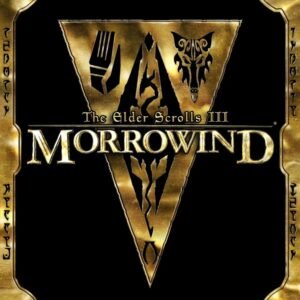
The Elder Scrolls III: Morrowind
Morrowind is a masterpiece of worldbuilding and creativity. Its alien landscapes, unique architecture, and strange cultures create a setting that feels unlike any other fantasy world. The story is deeper and more mysterious than later entries, and player freedom is at its peak. Mechanics are clunkier by modern standards, but the immersion is unmatched. Morrowind rewards curiosity, experimentation, and role playing in ways that few RPGs ever attempt. For long time fans, it represents the soul of the series.
A Tier
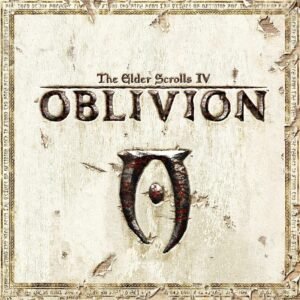
The Elder Scrolls IV: Oblivion
Oblivion strikes a balance between the wild imagination of Morrowind and the accessibility of Skyrim. The quest design is excellent, with standout storylines like the Dark Brotherhood and the Thieves Guild that remain some of the best in the series. The world is bright and classic in tone, with lush forests and traditional high fantasy themes. Its leveling system is divisive, and some characters feel stiff due to early voice acting limitations, but the heart of the game is timeless. Oblivion is a warm, nostalgic entry that blends old and new TES sensibilities.
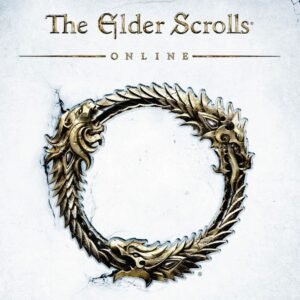
The Elder Scrolls Online
ESO succeeds by offering a huge amount of Elder Scrolls worldbuilding in one place. While it plays differently than the single player games, it delivers strong story arcs, large expansions, and some of the best voice acting in the franchise. Exploring regions like Morrowind, Elsweyr, and Summerset gives fans a chance to revisit classic locations with updated detail. The game is at its best when approached as a cooperative story RPG rather than a traditional MMO. It does not replace the single player games, but it enriches the series with breadth and lore depth.
B Tier
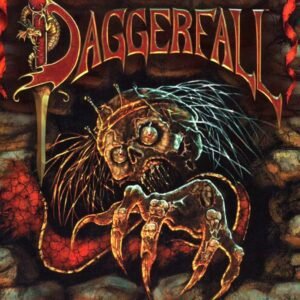
The Elder Scrolls II: Daggerfall
Daggerfall is one of the most ambitious RPGs ever created. Its map is massive, its systems are complex, and its player freedom was groundbreaking for the time. You can join multiple factions, become a werewolf or vampire, break into houses, climb walls, and experience procedural quests across hundreds of towns. Its scale is unmatched, but its age shows. The interface is dated, the dungeons can be overwhelming, and many systems lack modern polish. Even so, Daggerfall remains an important piece of RPG history and a fascinating experience for players who want to see how deep the series roots go.
C Tier
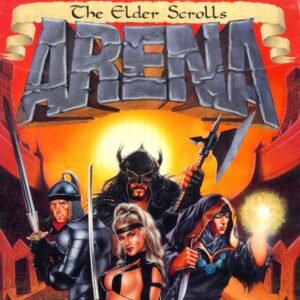
The Elder Scrolls: Arena
Arena is the foundation of the franchise, introducing the freedom to explore a massive world and shape your character through combat and magic. It is impressive for its time but difficult for new players to return to today. The procedural world design lacks the personality of later games, and the combat and exploration systems are simple compared to what the series would eventually achieve. Arena is worth experiencing for historical context, but it stands mainly as the starting point that would eventually lead to some of the greatest RPGs ever made.
Final Thoughts
The Elder Scrolls series has earned its reputation by constantly evolving while remaining true to its core identity. Every entry offers something distinct, from the strange and unforgettable world of Morrowind to the classic fantasy charm of Oblivion to the refined exploration of Skyrim. Even the earliest titles show the ambition that would eventually define open world RPGs. Whether you prefer the freedom of Daggerfall, the warmth of Oblivion, or the scope of Skyrim, each game stands as a milestone in the growth of the genre. Looking back across the series shows why Elder Scrolls remains one of the most beloved franchises in gaming and why players still find new stories, new characters, and new adventures every time they return to Tamriel.