How We Ranked LEGO Games
We ranked the LEGO games by weighing overall quality, fan reception, lasting impact on the series, and how well each holds up for busy adults who want clear, worthwhile play sessions. We deliberately did not score them on brand loyalty, childhood attachment, completionist grind, or sales. It is still a subjective list, shaped by personal taste, nostalgia, and the fact that games from different eras were built with different goals and standards.
S

A
B
C

D
F
S Tier
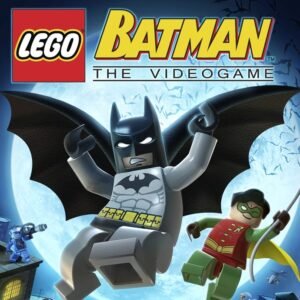
LEGO Batman
LEGO Batman earns S tier because it gets the basics right and keeps them moving. Levels are tight, puzzles are readable, and the comedy lands without dragging out scenes you already know by heart. The hero and villain campaigns add welcome variety, and the gadget-based character swapping feels purposeful instead of busywork. It shows its age in a few clunky platforming moments, but for players who want a focused co-op LEGO game without later-series bloat, this is still one of the safest must-play picks.
LEGO Star Wars: The Skywalker Saga
LEGO Star Wars: The Skywalker Saga sits in S tier because it is the most complete modern version of the formula: polished combat, generous checkpoints, quick sessions, and a huge amount of planets, characters, and side activities to sample. It is especially good for adults who want something easy to drop into for 20 minutes and still feel progress. The downside is obvious: full completion is a time sink, and the constant map clutter can wear thin. Treated as a pick-and-choose playground, though, it is hard to beat.
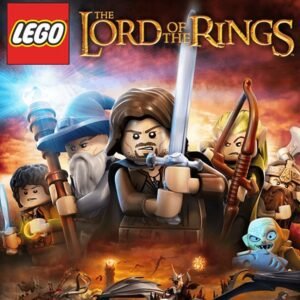
LEGO The Lord of the Rings
LEGO The Lord of the Rings makes S tier by doing more than replay film scenes with slapstick. Middle-earth has real pull as a hub, with locations that are worth wandering between missions, and the dialogue lifted from the films gives the story more weight than most LEGO adaptations. The fellowship cast also creates stronger ability-based puzzle design than usual. Some open-world errands are forgettable, and it lacks the slickness of newer games, but if you want one LEGO game with atmosphere as well as co-op comfort, this is a standout.
A Tier
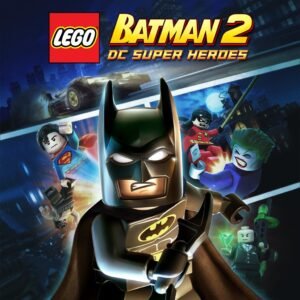
LEGO Batman 2: DC Super Heroes
This is where the modern LEGO formula really clicks. Flying changes traversal in a meaningful way, Gotham feels worth exploring between missions, and the shift to voiced cutscenes gives the humor better timing than the older mime-style games. The campaign mixes Batman gadgets with broader DC variety without losing focus. It falls just short of the very top because some open-world objectives are clunky and a few missions drag, but for players who want a polished, approachable superhero LEGO game, it still holds up.
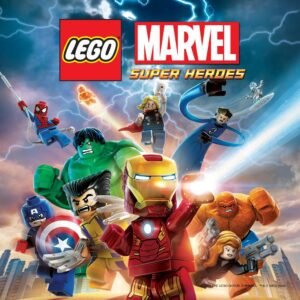
LEGO Marvel Super Heroes
This is one of the easiest LEGO games to recommend if you want a lot to do after the credits. The New York hub is busy without being annoying, the character roster is deep, and powers are varied enough that swapping heroes stays fun rather than feeling like busywork. Co-op works especially well because there is always another collectible, side mission, or secret to chase. It is not the tightest campaign in the series, and some completion tasks blur together, but it offers great value for casual and completionist players alike.
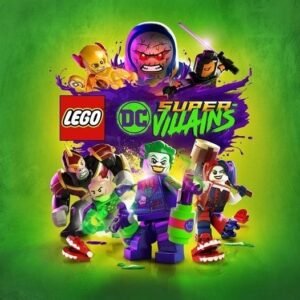
LEGO DC Super-Villains
Focusing on villains gives this one a welcome change in tone, and the custom character system is not just a novelty since your created character stays central to the story in a way most LEGO games never quite manage. The writing is playful, the voice cast helps sell the jokes, and the DC roster has good range beyond the obvious headliners. It lands in A tier because the mission structure still follows familiar LEGO beats and some puzzle flow feels routine, but for longtime players wanting a fresher spin, it is a strong pick.
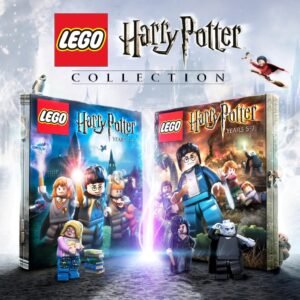
LEGO Harry Potter Collection
This collection earns its spot by being dependable from start to finish. Both school-year arcs adapt the Harry Potter setting well, with Hogwarts serving as a cozy hub full of small secrets, simple spell-gated progression, and low-stress exploration that works nicely in co-op. The puzzle design is straightforward, which makes it easy to drop in for an hour at night without relearning systems. It does not have the mechanical leap or open-world ambition of the very best LEGO games, but for relaxed, comfort-food sessions, it is hard to beat.
B Tier
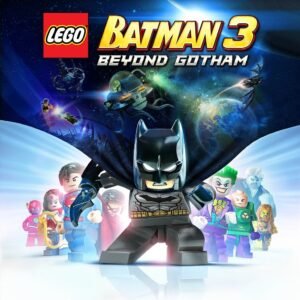
LEGO Batman 3: Beyond Gotham
LEGO Batman 3: Beyond Gotham lands in B tier because the DC fan service does a lot of the heavy lifting. The roster is massive, the space setting adds variety, and there is real fun in mixing heroes and villains across the Justice League side of the universe. The problem is structure. Levels and hub progression feel less focused than the strongest LEGO games, and the campaign can seem a bit scattered. Worth playing if you like DC first, but not the best place to start.
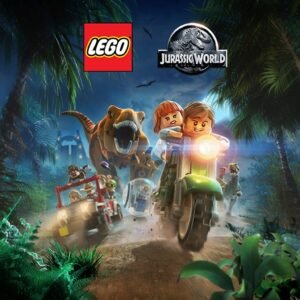
LEGO Jurassic World
LEGO Jurassic World is a solid adaptation that gets good mileage out of the films, especially in how it turns major scenes into light puzzle-platforming without losing the series’ easygoing feel. Playable dinosaurs help it stand out, and the four-movie structure gives it decent variety. What holds it to B tier is that it rarely does more than competently recycle familiar LEGO ideas. It is easy to enjoy, especially for Jurassic Park fans or younger players, but it does not push past dependable comfort food.
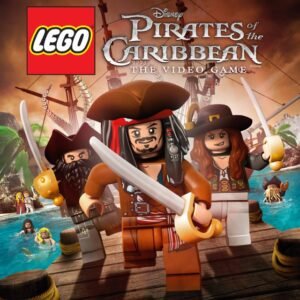
LEGO Pirates of the Caribbean
LEGO Pirates of the Caribbean works because it keeps things simple and light on its feet. The levels are brisk, the silent slapstick fits the source material well, and the movie recreations are consistently charming without dragging. It also avoids some of the bloat that later entries picked up. The downside is that it feels smaller in scope and less memorable once the credits roll. A good pick for fans of the films or anyone wanting a shorter LEGO game, just not a standout.
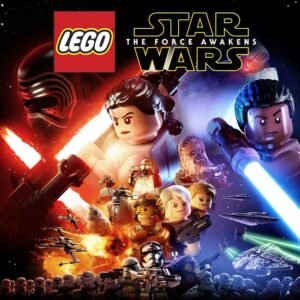
LEGO Star Wars: The Force Awakens
LEGO Star Wars: The Force Awakens is polished, accessible, and easy to recommend if you specifically like that film. The shooting sections, multi-build mechanic, and strong presentation give it a smoother feel than some older entries, and it is very approachable for co-op. The limitation is obvious: it is built around one movie, so it cannot match the broader pull or variety of the better LEGO Star Wars games. Good for casual Star Wars fans, but less essential than the wider saga adaptations.
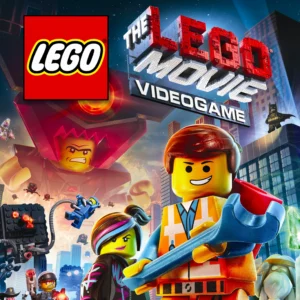
LEGO Movie Videogame
LEGO Movie Videogame earns B tier by doing exactly what it needs to do. It captures the film’s fast, self-aware tone well, moves along at a good pace, and mixes in enough visual jokes and character-specific abilities to stay pleasant throughout. It is also easy to pick up in short sessions, which helps. What keeps it below the top tier is staying power. Once the novelty of the movie adaptation fades, the levels and progression feel lighter and more disposable than the best licensed LEGO games.
C Tier
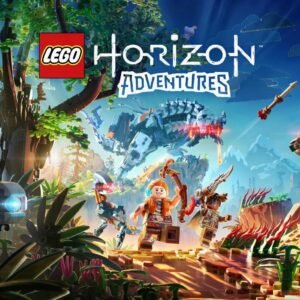
LEGO Horizon Adventures
LEGO Horizon Adventures lands in C tier because it is pleasant without giving busy players much reason to stick with it. It looks sharp, moves well, and the lighter structure makes it easy to pick up for a short session. The problem is that the simplified action and progression never build into anything especially memorable. It works best for younger players, families, or Horizon fans who want something easygoing, but it lacks the stronger personality and replay pull of better LEGO crossovers.
LEGO Marvel Super Heroes 2
LEGO Marvel Super Heroes 2 has plenty in it, and that is part of the issue. The roster is huge, the time-travel setup allows for varied locations, and there are still fun character-specific moments to uncover. But the overall package feels busy and less focused than the first game, with cluttered progression and a world that is not as enjoyable to explore. Marvel fans will still find enough jokes and fan service to justify a playthrough, but it is harder to recommend as a top-tier LEGO game.
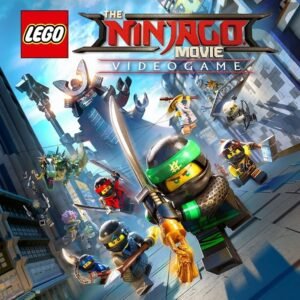
LEGO Ninjago Movie Video Game
LEGO Ninjago Movie Video Game earns a C because its best idea does not fully carry the rest. The upgraded combat system adds a little more involvement than the usual button-mashing, which gives moment-to-moment play some welcome energy. Outside of that, though, the game leans on a license that does not have the same broad draw or staying power as LEGO’s bigger franchises. It is decent for kids, fans of Ninjago, or anyone wanting a shorter, straightforward LEGO game, but not much more.
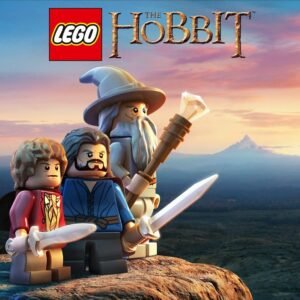
LEGO The Hobbit
LEGO The Hobbit is easy to like in pieces and hard to strongly recommend overall. The usual collecting, puzzle-solving, and co-op play are solid, and Middle-earth remains a naturally good fit for the LEGO formula. Crafting and exploration are serviceable, even if not especially fresh. The major problem is the unfinished adaptation, which leaves the package feeling incomplete and hurts the payoff for anyone hoping to see the full story covered. Tolkien fans may still enjoy the setting, but most players have better LEGO options.
D Tier
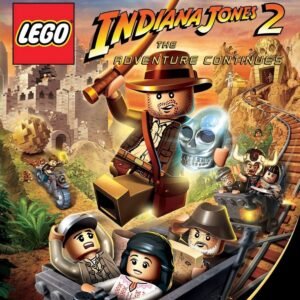
LEGO Indiana Jones 2: The Adventure Continues
This is one of the stranger LEGO games, and not in a good way. The big experiment is shorter, chopped-up levels and a level creator, but the result feels thin compared with the cleaner, more satisfying setups in other movie adaptations. Revisiting the original films in remixed form also loses some of the charm and pacing that made the first Indiana Jones work. There is still basic drop-in co-op fun and a decent roster, but unless you are curious about the builder or collecting every LEGO release, it is easy to skip.
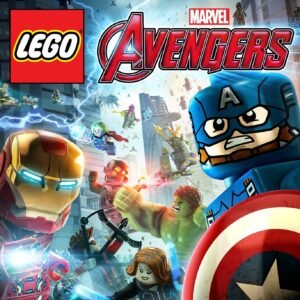
LEGO Marvel’s Avengers
There are enjoyable bits here, especially if you like seeing MCU scenes turned into light puzzle-platforming and wandering around hub spaces full of Marvel side activities. The problem is that it rarely finds much personality of its own. Mission design feels recycled from stronger LEGO superhero games, the movie retelling is functional rather than memorable, and the whole package can blur together fast. Good for younger Marvel fans or families who want something easygoing, but for most adults with limited time, there are better LEGO picks.
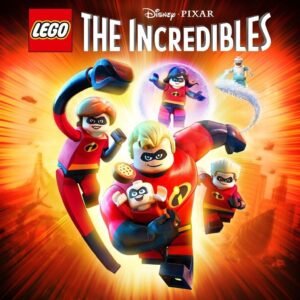
LEGO The Incredibles
This one is perfectly playable, but that is also the issue. It never does much beyond the baseline LEGO formula, so despite having a strong family-friendly license, it feels slight from start to finish. The levels are fine, the co-op is easy to drop into, and the Parr family abilities fit the usual puzzle structure well enough. Still, the campaign is not especially memorable, the open-world crime cleanup gets repetitive, and it lacks the standout humor or creativity that would make it worth choosing over better licensed entries.
F Tier
LEGO Horizon Adventures
LEGO Horizon Adventures is polished enough on a surface level, but it lands in F tier because there is not much reason to pick it over better LEGO games or better Horizon games. The presentation is clean, the world is recognizable, and younger players may enjoy the simple action, but it lacks the charm, variety, and memorable level design people usually come to these games for. For busy adults, the biggest problem is opportunity cost: it feels merely fine in a series that has offered much stronger ways to spend your time.
Final Thoughts
What this ranking really shows is how much LEGO games live or die on clarity and pacing. The best ones keep the hub readable, the jokes quick, and the collectible chase satisfying without turning every session into a checklist. The weaker entries are not disasters, but they drag once the charm has to carry thin combat, messy camera work, or bloated completion goals.
If you have limited time, start with LEGO Star Wars: The Skywalker Saga and just play through the original trilogy episodes first. Hoth and the Death Star are easy, nostalgic entry points, and the mission structure makes it simple to stop after 30 minutes. If you want one to skip, LEGO Worlds still feels like work more than play.