Ranking Every Vault Hunter Across the Borderlands Universe
Across more than a decade of looting, shooting, and chaos, Borderlands has introduced dozens of Vault Hunters. Each brought something new to the series – unique skill trees, personalities, and playstyles that defined how fans experienced Pandora, Elpis, and beyond.
But not all Vault Hunters were created equal. Some became icons remembered for their gameplay depth and character arcs. Others were loved more for their one-liners than their usefulness in a fight. And a few, well, never quite clicked at all.
This Tier List looks at every playable Vault Hunter across the main Borderlands games, ranked by a mix of gameplay feel, balance, fun factor, and lasting fan sentiment.
S

A

B

C

D
S Tier
These are the legends. Characters that define Borderlands through deep mechanics, replay value, and iconic design.
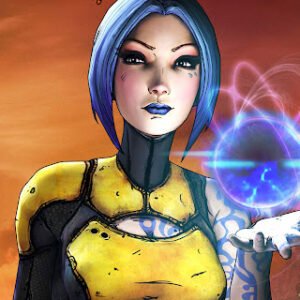
Maya (Borderlands 2)
Maya remains one of the best examples of a balanced Vault Hunter. Her Phaselock ability offered strong control without breaking the game, and her skill trees made her viable for nearly any playstyle. Whether you preferred solo runs or co-op synergy, Maya always delivered.
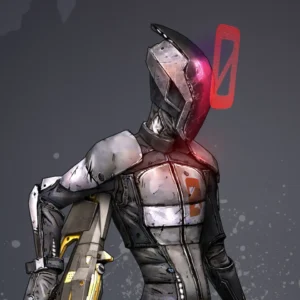
Zer0 (Borderlands 2)
The silent assassin with style. Zer0’s stealth and critical hit builds reward precision and patience, and his sniping potential gives him lasting appeal. His cryptic personality and skill ceiling make him unforgettable for high-skill players.
Gaige (Borderlands 2 DLC)
A burst of chaotic energy. Gaige’s Deathtrap companion and Anarchy stacks create unpredictable, high-damage gameplay. She’s a fan favorite for being both powerful and hilariously unstable.
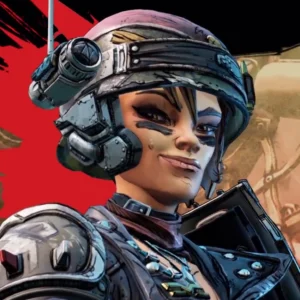
Moze (Borderlands 3)
Moze gave the franchise one of its most satisfying toys: the Iron Bear mech. Explosions, firepower, and tank builds galore. She’s approachable for newcomers and endlessly fun for veterans.
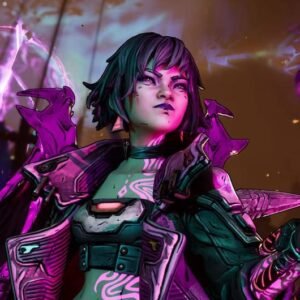
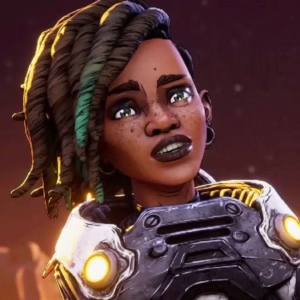
Vex (Borderlands 4)
The new Siren that fans had been waiting for. Her dual-element system and chain-reaction powers make her both strategic and spectacular to watch. She embodies everything people love about Sirens, refined for modern gameplay.
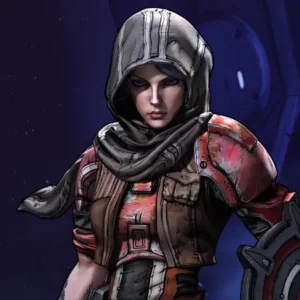
Harlowe (Borderlands 4)
The co-op powerhouse. Harlowe’s Entanglement mechanic allows her to control enemies while buffing allies, creating one of the most fluid combat systems in the series. She’s earned her spot among the all-time greats.
Why They Work: These Vault Hunters feel complete. Their skills, personalities, and designs represent the best of what Borderlands can be – stylish, powerful, and endlessly replayable.
A Tier
Excellent balance and creativity make these characters stand out, even if they fall just short of the absolute elite.
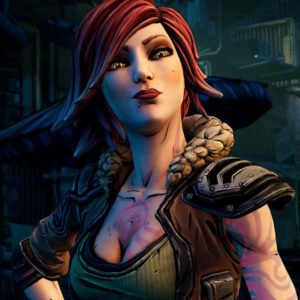
Lilith (Borderlands)
The original Siren and still iconic. Phasewalk was simple but exhilarating, and Lilith’s speed and invisibility made her the ultimate hit-and-run character.
Axton (Borderlands 2)
Reliable, tactical, and effective. His turret mechanics created versatile solo builds and perfect co-op synergy. Never flashy, always dependable.
Athena (The Pre-Sequel)
A defensive master. Her Aspis shield system turned careful timing into offense and defense at once. She’s one of the most technically rewarding Vault Hunters ever made.
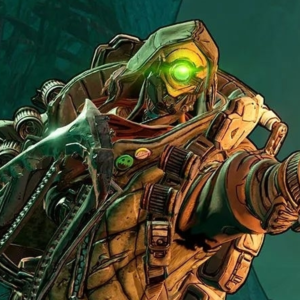
FL4K (Borderlands 3)
FL4K’s bond with their pets made combat feel alive. Each beast changed the rhythm of fights, adding personality and flexibility. AI quirks aside, they remain a favorite for creative players.
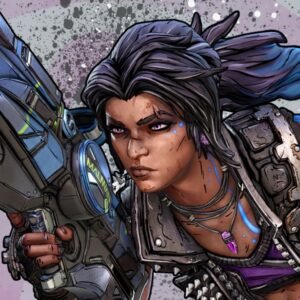
Amara (Borderlands 3)
The melee Siren that finally lived up to the fantasy. She hits like a truck, looks amazing doing it, and offers great early-game fun even if her builds plateau later on.
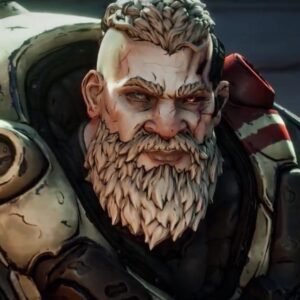
Amon (Borderlands 4)
A heavy-hitting brawler whose rhythm-based melee attacks reward aggression and timing. Initially divisive, Amon’s potential opened up once players learned how to build around his momentum system.
Why They Work: Each of these Vault Hunters excels in a specific way – whether that’s consistency, flair, or complexity. They all represent the best parts of Borderlands design without quite breaking into legendary status.
B Tier
Fun and functional, but often reliant on gear or limited in build diversity.
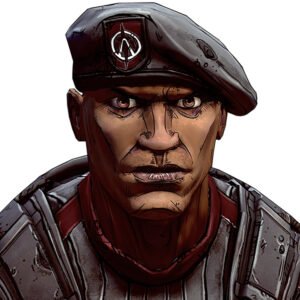
Roland (Borderlands)
The classic soldier archetype that started it all. His turret was strong for team play, but his toolkit hasn’t aged as well. A solid, if straightforward, foundation for later designs.
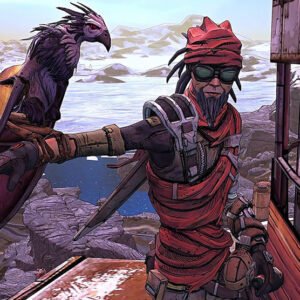
Mordecai (Borderlands)
A sharpshooter with style. His bird companion added flavor, but his fragility and slow early progression held him back. Nostalgic, but not timeless.
Nisha (The Pre-Sequel)
Fast, powerful, and brutally efficient. Her gunplay is unmatched, yet her skill tree leaves little room for creativity. She’s fun but shallow.
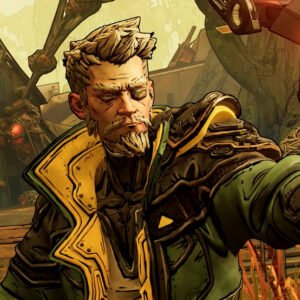
Zane (Borderlands 3)
Cool gadgets, flashy movement, and strong late-game builds. Unfortunately, he’s heavily dependent on high-end gear to reach his potential.
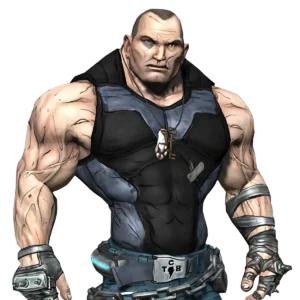
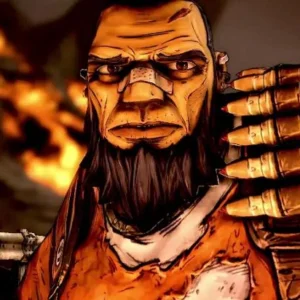
Brick (Borderlands)
Beloved for personality, less so for mechanics. His brawling style was clunky in the first game, but he still earns credit for pure chaos.
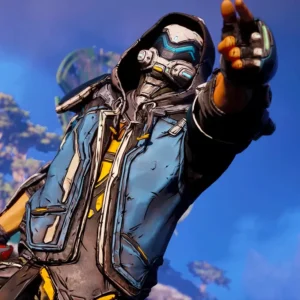
Rafa (Borderlands 4)
Stylish and charming, Rafa’s co-op buffs and mobility skills shine in multiplayer. Solo play exposes some inconsistencies, but his energy keeps him fun to use.
Why They Work: Each one offers a strong, focused playstyle. They may not appeal to everyone, but in the right hands, they can still dominate.
C Tier
Innovative ideas that don’t always land.
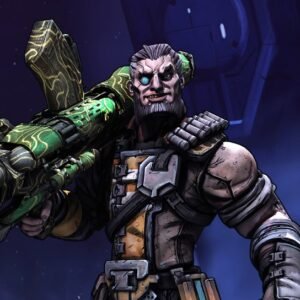
Wilhelm (The Pre-Sequel)
Dual drones sound cool on paper, but his skills never evolve into anything truly satisfying. Functional, not memorable.
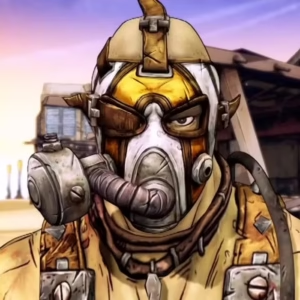
Krieg (Borderlands 2)
One of the wildest characters in the series. His melee carnage is thrilling when it works, but his self-damage and unpredictable rage modes can frustrate even dedicated players.
Salvador (Borderlands 2)
Dual-wielding any weapon is undeniably fun, but the result was so overpowered that it often broke the game. Great for chaos, not for balance.
Aurelia (The Pre-Sequel)
The “Baroness” concept was clever, but her wealth-based skill trees rarely paid off. A great idea that needed more refinement.
Why They Work: They each tried something bold. Even if the mechanics fell short, these Vault Hunters added variety and personality to the series.
D Tier
Beloved as characters, not as classes. These Vault Hunters are more chaotic than effective.
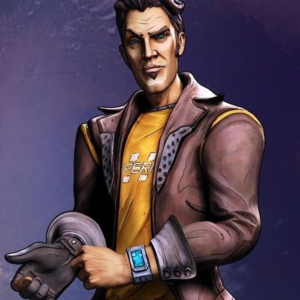
Timothy (The Pre-Sequel)
Jack’s Doppelganger was funny, but his skill set lacked synergy. His damage output felt uneven, and the novelty of playing a body double faded quickly.
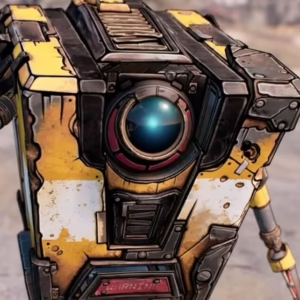
Claptrap (The Pre-Sequel)
Equal parts hilarious and maddening. Claptrap’s randomized VaultHunter.EXE ability could make him unstoppable or completely useless from one encounter to the next. Fans love his humor, but mechanically, he’s a mess. Most players picked him once for laughs and never again.
Why They Work (Sort Of): They’re unforgettable in personality, but their gameplay never matches their charm. Great for comedy, not for consistency.
Final Thoughts
Every Vault Hunter reflects a different side of the Borderlands experience, the thrill of discovery, the joy of absurd power, and the chaos of endless loot. From the precision of Maya to the explosive flair of Moze and the innovation of Vex and Harlowe, these characters define why fans keep returning to Pandora and beyond.
Borderlands 4 proves that Gearbox still understands what makes a great Vault Hunter. Vex and Harlowe already stand beside the series’ legends, while Amon and Rafa show how much variety the formula can still deliver.
Some Hunters changed how we play. Others changed how we laugh. All of them, for better or worse, are a part of what makes Borderlands unforgettable.