


Love Fallout but Short on Time? How Bethesda’s Other Worlds Compare
Fallout has a very specific identity. It is not just a post-apocalyptic RPG with vaults and power armor. Fallout is defined by player freedom, systemic…

Fallout 3 reimagines the series as a first-person open-world RPG built around skill specialization, environmental storytelling, and faction-driven questlines across the ruins of Washington, D.C. Progress unfolds through exploration, dialogue checks, combat builds, and moral decisions that shape regional outcomes.
This makes it a strong fit for the Investment Gamer who values long-term character development and perk optimization, and the Narrative Seeker who prioritizes atmospheric worldbuilding and consequence-driven storytelling. VATS-based combat blends tactical pacing with real-time execution, while skill allocation influences dialogue access and quest resolution.
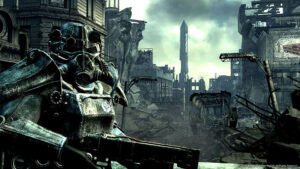
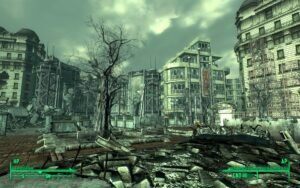
Fallout 3 shifts the series into a fully explorable first-person wasteland centered on Washington, D.C. Landmarks are ruined but recognizable, and environmental storytelling drives discovery.
Exploration is self-directed. The main quest provides structure, but side locations, vaults, and faction hubs define much of the experience.
For the Narrative Seeker, worldbuilding unfolds through terminals, environmental detail, and morally ambiguous side quests rather than purely through dialogue trees.
Character progression blends SPECIAL attributes with skill points and perk selection every level.
Perks meaningfully shape combat efficiency, dialogue access, and survival tools. Build identity becomes clearer as the game progresses.
For the Investment Gamer, long-term planning matters. Sniper builds, speech-focused diplomats, heavy weapons specialists, and stealth characters each experience different quest efficiencies and combat rhythms.
The system is more accessible than Fallout 1 or 2, but specialization still determines viability.
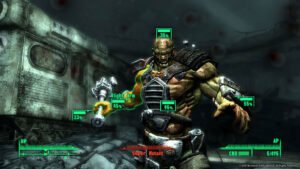
Combat combines real-time shooting with the V.A.T.S. targeting system, which slows or pauses action to allow targeted limb selection.
VATS introduces tactical pacing into an otherwise first-person framework. Resource management, weapon durability, and ammunition scarcity still influence outcomes.
For the Investment Gamer, perk and weapon synergy improve combat reliability. For the Narrative Seeker, combat often becomes secondary to quest resolution options unlocked through skill checks.
Fallout 3 blends accessibility with systemic depth rather than prioritizing one exclusively.
Fallout 3 centers its main storyline around identity, loyalty, and the future of the Capital Wasteland.
Factions such as the Brotherhood of Steel and the Enclave represent competing ideologies. Your decisions influence settlement outcomes and certain quest resolutions, though consequences are more regionally contained than in Fallout 1 or 2.
For the Narrative Seeker, the appeal lies in environmental storytelling and morally gray side quests rather than pure political density.
Many of the game’s most memorable moments occur outside the main quest. Vault investigations, settlement disputes, and isolated moral dilemmas shape the tone of the wasteland.
These quests often offer multiple resolutions influenced by speech, karma, or combat specialization. Some provide rare perks or unique gear that reinforce build identity.
For the Investment Gamer, exploring thoroughly improves perk efficiency and resource stability over time.
The art direction combines ruined infrastructure with retro-futurist aesthetics. Environmental storytelling frequently replaces exposition.
Radio broadcasts and soundtrack choices reinforce tone while traveling between locations.
For the Narrative Seeker, immersion comes from discovering stories embedded in abandoned buildings and fragmented communities rather than solely through dialogue trees.
Fallout 3’s appeal lies in how exploration, perk growth, and quest design intersect across a large but approachable world.
A focused main quest run of Fallout 3 typically takes 25 to 35 hours depending on combat efficiency and exploration pacing.
Players who concentrate primarily on the central storyline can finish more quickly, but perk progression and equipment scaling benefit from engaging with side content along the way.
The campaign is structured but not rushed. Exploration naturally extends the timeline.
Engaging with major side quests, vault explorations, and faction content often extends total playtime to 50 to 70 hours.
Optional quests frequently provide unique perks, weapons, or moral choices that shape settlement outcomes. Exploration meaningfully strengthens character builds rather than simply adding hours.
For the Investment Gamer, deeper exploration improves perk synergy and combat reliability. For the Narrative Seeker, side quests often contain the game’s strongest storytelling moments.
Replayability comes from experimenting with different perk paths and moral alignments.
Stealth builds, speech-heavy diplomats, heavy weapons specialists, and VATS-focused characters experience combat and quest resolution differently.
Across multiple playthroughs, total time invested can easily exceed 80 hours. Longevity emerges from build variation and alternate decisions rather than new content alone.
Curious what Fallout 3 is all about? The trailer gives you a great first look at the world, the vibe, and the kind of story you're stepping into.
These videos give some tips and pointers on getting started with Fallout 3
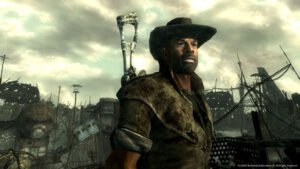
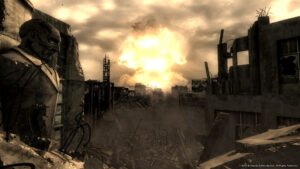
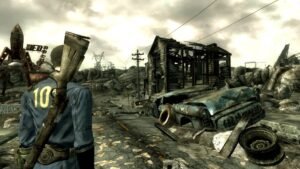
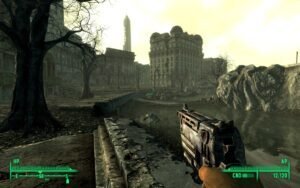
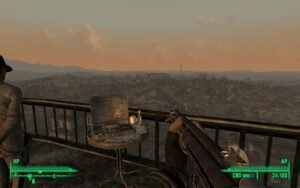
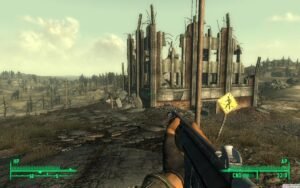
Want to see what Fallout 3 actually looks like in-game? These screenshots will hopefully give you a feel for what the world of Fallout 3 is like.
DLC just means more of a good thing. Here are some for Fallout 3
Unlike the open-ended design of the Capital Wasteland, Mothership Zeta takes place almost entirely aboard an alien spacecraft.
Progression is structured and corridor-driven. Exploration exists, but it is contained within ship sections rather than open-world traversal.
For the Narrative Seeker, the appeal lies in the tonal shift. Retro sci-fi themes replace political faction drama, offering a focused narrative detour rather than branching complexity.
Encounters are frequent and more tightly spaced than in the base game. Alien enemies rely heavily on energy weapon damage, encouraging adaptation through gear selection and perk synergy.
For the Investment Gamer, prior build specialization significantly influences efficiency. Energy weapon builds feel naturally aligned, while melee or speech-heavy builds face more friction.
This DLC rewards combat specialization more than diplomatic versatility.
The expansion introduces powerful alien weaponry and armor that remain viable in the base game.
For the Investment Gamer, completing Mothership Zeta can meaningfully improve mid-to-late game combat reliability.
While shorter and more linear than the main campaign, it offers high-impact rewards that integrate into long-term progression.
Point Lookout transports players to a swampy, isolated peninsula separate from the Capital Wasteland. Unlike the linear structure of some DLCs, this expansion restores open-ended exploration.
The map is compact but dense, filled with hidden side stories, environmental storytelling, and morally unclear factions.
For the Narrative Seeker, the appeal lies in uncovering layered conflicts rather than following a single directive path.
Enemies in Point Lookout are notably resilient and often deal significant damage regardless of player level. Combat feels harsher and less forgiving.
For the Investment Gamer, prior perk specialization and gear planning become important. Underprepared builds can experience meaningful friction.
This DLC tests long-term build efficiency more than early-game improvisation.
The main conflict in Point Lookout avoids clear moral binaries. Both central factions carry ethical compromises.
Side quests reinforce this tone, often presenting outcomes that feel pragmatic rather than heroic.
For the Narrative Seeker, this expansion offers some of the strongest writing in Fallout 3’s DLC catalog. For the Investment Gamer, quest outcomes still influence rewards and resource positioning in the main game.
Point Lookout prioritizes atmosphere, ambiguity, and sustained tension over spectacle.
A focused main quest run typically takes 25 to 35 hours. Exploring side quests and major locations often extends playtime to 50 to 70 hours.
Yes. SPECIAL stats, skill allocation, and perk choices significantly affect combat efficiency, dialogue options, and quest resolutions.
Yes. The Capital Wasteland is fully explorable, with optional locations, vaults, and faction hubs accessible outside the main storyline.
Yes. Major decisions affect the main storyline’s outcome, and individual settlements receive ending slides reflecting your choices.
It depends on preference.
There's more to Fallout than Fallout 3. Check out some of the other games in the franchise.
Great games dont have an expiration date. Take our quiz and we will find you the perfect game.
Take the QuizSome of the links on this site are Amazon affiliate links, which means if you click through and make a purchase, I may earn a small commission—at no extra cost to you. It’s a simple way to help support the site and keep the game recommendations coming. Thanks for your support!