Delayed Respawnse
  • About
  • Articles
  • Games
  • Franchises
  • Respawnses
  • Tier Lists
What Game Should I Play?
  • Home
  • About
  • Articles
  • Games
  • Xbox
  • Playstation
  • Nintendo
  • PC
  • Franchises
  • Respawnses
  • How We Score Games
  • Tier Lists
  • Take Our Quiz
  • Join the Community
  1. Home
  2. /
  3. Games
  4. /
  5. Splatoon

Splatoon

Overall Rating: 4.15 • 111 reviews
The Sprint Player The Resilient Player

Splatoon turns a shooter into a turf fight where movement and map control matter as much as aim, with matches short enough to stay lively without feeling throwaway. Even when a round goes sideways, covering ground, slipping through ink, and chipping away at gear progression gives each session a clear sense of momentum.

Get It Now Join the Community

Details

Some of the particulars and information about Splatoon.
Developer: Nintendo
Release Date: May 29, 2015
How Long to Beat: 12 hrs

Great for:

The Sprint Player The Resilient Player

Ratings

Some of the ratings and scores for Splatoon.
81 Metacritic
8.6 IGN
-- Our Score

Genres

Action
Third-Person Shooter

Systems

Here's where you can find Splatoon and play.

ESRB: Everyone 10+

Cartoon Violence
Overview
Why Play?
How Much Time?
Overview

Splatoon plays out through fast team ink battles, weapon-based turf control, squid swimming for movement, and quick respawns that keep matches aggressive and adaptable

Why Play?

Splatoon keeps shooters fresh with smart turf control, fast movement, and short matches that stay satisfying even when your team falls behind

How Much Time?

Splatoon breaks time into short story missions from a central hub, then opens into quick multiplayer matches and extra weapon, gear, and stage replay goals

Ink Changes Every Fight

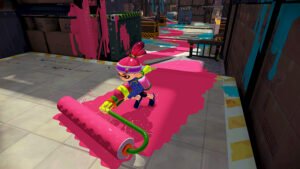
Splatoon treats the map itself as the main objective. Instead of just chasing eliminations, your team is constantly spreading ink to claim space, block routes, and create safer paths forward. That makes every weapon feel like both an attack tool and a way to reshape the match.

The standout twist is how movement ties into that control. Once your color is down, you can dive into it and swim quickly through the stage, pop out for an attack, then disappear again before the other team settles in. It gives matches a brisk rhythm where smart positioning matters as much as sharp aim.

Fast Recovery, Constant Pressure

Matches stay active because setbacks rarely stop your momentum for long. Quick respawns mean you are usually back in the action before a lost push turns into frustration, and a bad opening can still be recovered by repainting key lanes or slipping behind the enemy line.

That pace makes Splatoon easy to enjoy in short sessions. Rounds are brief, objectives are readable at a glance, and there is always something useful to do even if your team is under pressure. You can support a comeback through movement, coverage, and timing rather than waiting around for the perfect shot.

Progress That Fits Sessions

Outside the match, Splatoon gives each session a clear sense of payoff through weapon experimentation, gear growth, and steady unlocks. Trying a new loadout can noticeably change how you approach the same map, whether you prefer to rush into contested areas, hold flanks, or focus on painting safe ground for the team.

Because the game rewards contribution in more than one way, a short play window still feels worthwhile. Even when a round goes badly, you are learning weapon ranges, earning progress, and refining how you move through inked spaces. That combination helps the game stay satisfying without demanding a huge time sink.

Fast Matches, Clear Payoff

Splatoon gets to the point quickly. Matches are short, the goal is easy to read at a glance, and you can jump in for a few rounds without feeling like you need a long warmup or a big time commitment.

That speed works well because even messy games still feel productive. You are almost always contributing by painting ground, opening routes for your team, or disrupting the other side’s space, so a rough match rarely feels wasted.

Movement Feels Genuinely Different

The best reason to play Splatoon is how it moves. Sliding into your own ink, cutting through the map as a squid, then popping back out to attack gives every fight a quick rhythm that feels more playful and less static than a standard shooter.

That mobility also makes recovery easy. If a push fails, respawns are quick and getting back into position is painless, which keeps the match active instead of trapping you in long stretches of waiting or frustration.

Territory Matters More Than Aim

Splatoon is appealing if you want a shooter where awareness and positioning matter as much as pure shooting skill. Success comes from controlling useful parts of the map, choosing where to spread ink, and knowing when to support a push instead of chasing every duel.

It also has a steady sense of progress outside individual wins. Trying different weapons, building up gear, and learning how each map flows gives sessions momentum, so there is usually a good reason to play one more round.

Main Story Playtime

The main campaign in Splatoon usually takes about 5 to 7 hours. Progress runs through a central hub that leads into compact single-player stages, so the game naturally moves in short bursts rather than long uninterrupted stretches.

Most levels only take around 5 to 15 minutes, with a boss or tougher mission occasionally stretching a session a bit longer. That structure makes it simple to clear one or two stages, bank some progress, and step away without losing your place or needing to remember a lot of story details.

Completion and Replay Time

If you want a broader run through the game, expect closer to 12 hours, while full completion can push into the 18 to 20 hour range. Extra time comes from revisiting stages for missing collectibles, aiming for cleaner clears, and working through more of the weapon and gear grind tied to multiplayer play.

Replay value comes less from a long campaign and more from how well Splatoon fits short return sessions. Online matches are only a few minutes each, so it is easy to squeeze in a handful of rounds, chase unlocks, and keep making visible progress even when you do not have time for a full evening of play.

Trailer

A Quick Look at Splatoon

Curious what Splatoon is all about? The trailer gives you a great first look at the world, the vibe, and the kind of story you're stepping into.

Splatoon Trailer
Videos

Related videos for Splatoon

These videos give some tips and pointers on getting started with Splatoon

Splatoon 2 - Before You Buy

gameranx

Splatoon 3 - 13 Things You Need To Know Before You Buy

GamingBolt

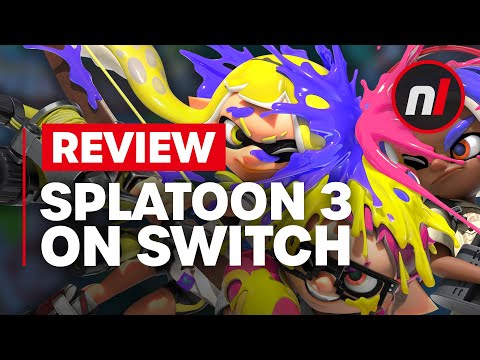
Splatoon 3 Nintendo Switch Review - Is It Worth It?

Nintendo Life

Splatoon 3 Review - Scott The Woz Segment

Scott's Snippets
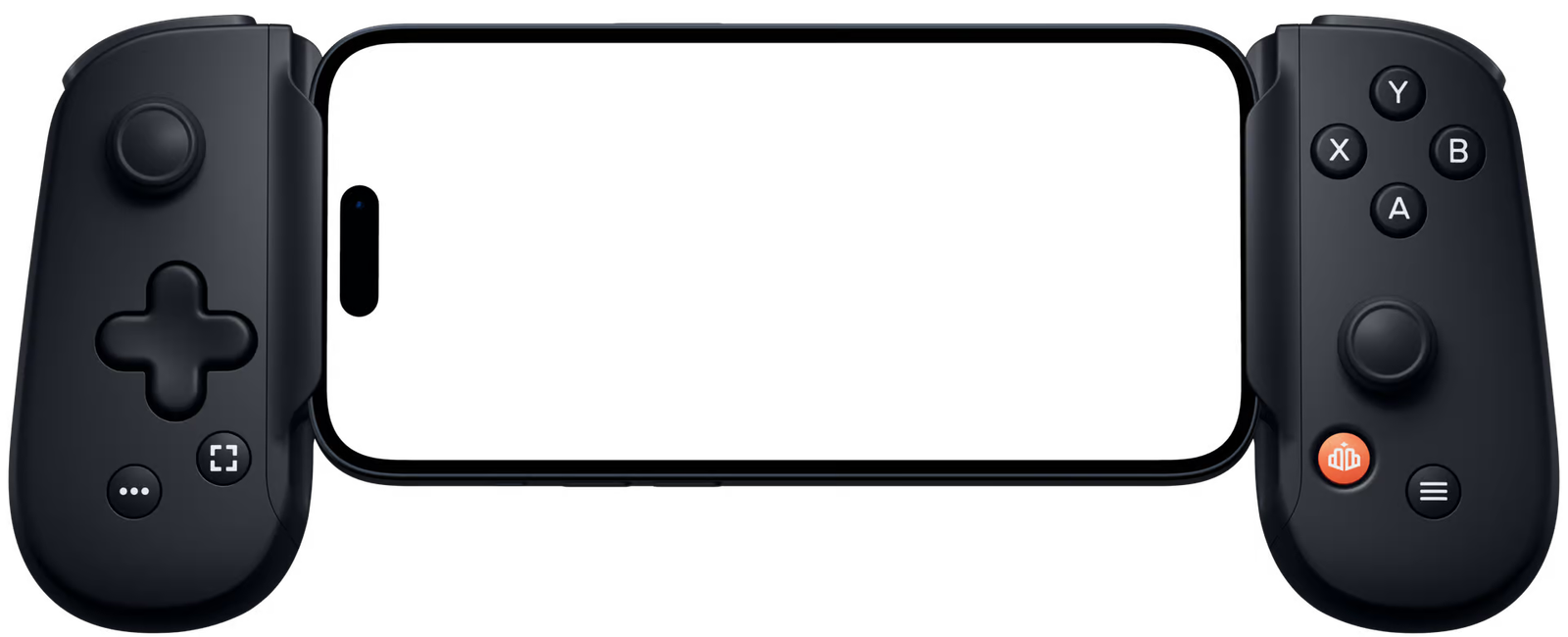
Backbone One

Competing For the TV at Home? No Problem! Here's How You Can Play Splatoon on your phone.

You don't have to compete with the family for the TV to play console games anymore. With the Backbone One, your phone becomes your Xbox or PS5 controller, giving you the freedom to pick up and play when life gives you a spare moment. It's how we get most of our playtime in.
Backbone Backbone
Get Yours Today
Screenshots

Screenshots of Splatoon

Want to see what Splatoon actually looks like in-game? These screenshots will hopefully give you a feel for what the world of Splatoon is like.

Splatoon
Splatoon
Splatoon
Splatoon
Splatoon
Frequently Asked Questions

Have Questions About Splatoon?

Does Splatoon have a real single-player mode, or is it mostly multiplayer?

Yes. Splatoon includes a standalone story campaign with its own stages, bosses, and mechanics to learn outside competitive play. It is not huge, but it works well as both a tutorial and a separate mode if you want breaks from online matches.

Can you play Splatoon with friends online or locally?

The main multiplayer focus is online team play, where you join ink battles against other players. Local options are much more limited than the online side, so it is best approached as an online multiplayer game first. If you mainly want couch co-op, this is not the strongest fit.

How important are weapons in Splatoon?

Weapons matter a lot because each one changes your range, firing style, and how easily you can control space. Every loadout also comes with a sub weapon and a special, so picking a weapon is really choosing a full playstyle. If one setup feels awkward, switching weapons can make the game click quickly.

Is Splatoon hard to get into if you are not great at shooters?

Not especially. The goal is broader than just winning duels, so newer players can still help by painting territory, using support tools, and learning maps. There is still a skill curve, but the game usually gives you useful ways to contribute while you improve.

Does Splatoon have progression outside of winning matches?

Yes. You unlock weapons, build up gear options, and work toward abilities that can slightly shape how your loadout feels. That gives sessions a sense of forward movement even if your last few matches were uneven.

It's Never Too Late to Start Playing.

Not What You're Looking For?

Great games dont have an expiration date. Take our quiz and we will find you the perfect game.

Take the Quiz
Related Games

Other Games You Might Enjoy

If you like Splatoon, then you may like these ones as well.

Delayed Respawnse

Some of the links on this site are Amazon affiliate links, which means if you click through and make a purchase, I may earn a small commission—at no extra cost to you. It’s a simple way to help support the site and keep the game recommendations coming. Thanks for your support!

Copyright © 2026 Delayed Respawnse. All Rights Reserved.

Platforms

  • Xbox
  • Playstation
  • Nintendo
  • PC

About

  • About
  • Privacy Policy
  • Terms and Conditions
  • Sitemap

Find Your Next Game

  • Take Our Quiz
  • Quiz Results
  • How We Score Games