
Being a busy gamer does not mean you lack commitment. It means your time is fragmented.
Work, family, fatigue, and limited mental bandwidth don’t just reduce how long you can play — they change how games need to function if you’re ever going to finish them. For long games, the real challenge isn’t reaching the credits. It’s whether full completion is still possible when progress happens in short, irregular sessions.
Many games advertise massive runtimes, but only a handful can actually be 100% completed without demanding marathon play, constant momentum, or obsessive grinding.
The games below clear a much higher bar.
These are 100+ hour games where completing the main story and meaningful side content is realistic — even if you’re only playing 30 minutes at a time.
What “100% Completion” Means Here
Before diving in, it’s worth being precise.
For this article, 100% completion means:
- Finishing the main story
- Completing major side quests and optional narrative content
- Engaging with the game’s core systems
- It does not mean:
- Collecting every trivial item
- Grinding low-value tasks
- Perfect runs, speed challenges, or arbitrary checklists
These games aren’t about obsession.
They’re about completion that survives interruption.
What Makes a 100+ Hour Game Finishable in Short Sessions
Long games that work for busy players tend to share the same structural traits:
- Progress is divided into clear, discrete chunks
- Saving is generous and flexible
- Systems remain readable after time away
- Objectives resolve cleanly within a single session
- The game does not assume daily or extended play
Length alone doesn’t determine compatibility.
Structure does.
Why Handheld and Remote Play Matter


Handheld play doesn’t make these games shorter.
It makes starting and stopping frictionless.
Suspend-and-resume on the Steam Deck, or remote play through a controller like Backbone, lowers the cost of engagement. A 30-minute session becomes viable because it doesn’t require setup, takeover of shared space, or mental ramp-up.
For busy gamers, that accessibility is often the difference between wanting to finish a game and actually doing it.
Persona 5 Royal
100% completion through structure and rhythm
If there is a gold standard for long-form completion in short sessions, it is Persona 5 Royal.
The entire game is built around discrete, calendar-based days. Each session naturally resolves after a single in-game day, a palace section, or a relationship milestone. Side content is clearly surfaced, meaningfully tracked, and finite.
Nothing about Persona 5 Royal requires momentum.
Progress lives in decisions, not dexterity.
Handheld Play Fit
Persona 5 Royal works exceptionally well on handhelds because its pacing is already segmented. One in-game day maps cleanly to a short session, menus are readable on smaller screens, and turn-based combat eliminates reflex decay. Suspend-and-resume makes it easy to treat the game like a nightly ritual instead of a long-term commitment.
Baldur’s Gate 3
Deep completion without marathon sessions
Baldur’s Gate 3 proves that modern RPGs can be massive and flexible.
Combat is turn-based. Dialogue pauses naturally. Saving is allowed almost anywhere. Side quests resolve in clear arcs instead of sprawling chains. You don’t need to remember complex input timing or build rotations after time away — the systems wait for you.
Handheld Play Fit
Short handheld sessions shine here. One combat encounter or dialogue sequence can fully define a session, and suspend-and-resume lets you step away mid-conversation or mid-dungeon without friction. Because progress is decision-based, returning after time away feels natural rather than disorienting.
The Witcher 3: Wild Hunt (Complete Edition)
Narrative side content that respects your time
With its expansions included, The Witcher 3: Wild Hunt comfortably clears the 100-hour mark for story and meaningful side content.
What makes it work is how self-contained its quests are. Side missions tell complete stories. Contracts have clear beginnings and endings. The journal does excellent recap work, making re-entry easy after long breaks.
Handheld Play Fit
Handheld play is ideal for contracts, exploration, and side quests. You can complete a single objective or narrative thread in a short session without losing context. The game’s slower combat and strong quest logging make it forgiving when sessions are spaced far apart.
Divinity: Original Sin 2
Methodical depth that survives interruption
Like Baldur’s Gate 3, Divinity: Original Sin 2 is built around systems that pause rather than pressure.
Combat is turn-based and tactical. Quests resolve in stages. Progress is driven by decisions, exploration, and outcomes — not repetition.
Handheld Play Fit
This game thrives on handhelds because nothing demands urgency. A single fight or conversation can define a session, and saving anywhere removes pressure to “finish one more thing.” The deliberate pace makes short, focused play feel intentional rather than incomplete.
Red Dead Redemption 2
Completion through presence, not efficiency
At first glance, Red Dead Redemption 2 seems like an odd fit.
It’s slow. Deliberate. Unconcerned with optimization.
That’s exactly why it works.
RDR2 does not rely on mechanical mastery or system recall. Missions are self-contained. Side activities are finite and clearly tracked. The world does not punish you for leaving — it simply waits.
Handheld Play Fit
Handheld and remote play turn RDR2 into a game of quiet visits. One mission, one stranger encounter, or one hunting objective fits neatly into a short session. Suspend-and-resume works especially well because the game never demands rapid input or constant situational awareness.
Why These Games Succeed Where Others Fail
These games do not assume availability. They assume interruption.
They are built with the expectation that sessions will be short, gaps will happen, and players will return without perfect recall. Progress survives those gaps because systems remain readable, objectives are clear, and saving is flexible.
Instead of relying on momentum, these games reward patience. You can step away for days or weeks and still pick up where you left off without friction or punishment.
That design choice is what makes full completion realistic when playtime is inconsistent, not faster sessions, not better habits, but games that are structured to tolerate real life.
Final Thoughts
100% completion doesn’t have to mean obsession.
It doesn’t have to mean playing constantly.
The best long games don’t demand your time all at once. They let you earn completion gradually, one quiet session at a time.
For busy gamers, that difference matters more than total hours ever will.
These games don’t ask for your availability.
They reward your presence.

About the Author
Robert Davis may be middle-aged now, but he has always enjoyed playing video games. Just like others may like to curl up with a good book, he just prefers a different medium for story-telling. Now that life is much busier, he has to be choosy about which games he spends time on. And that's why Delayed Respawnse exists, because he's not the only one.
View all posts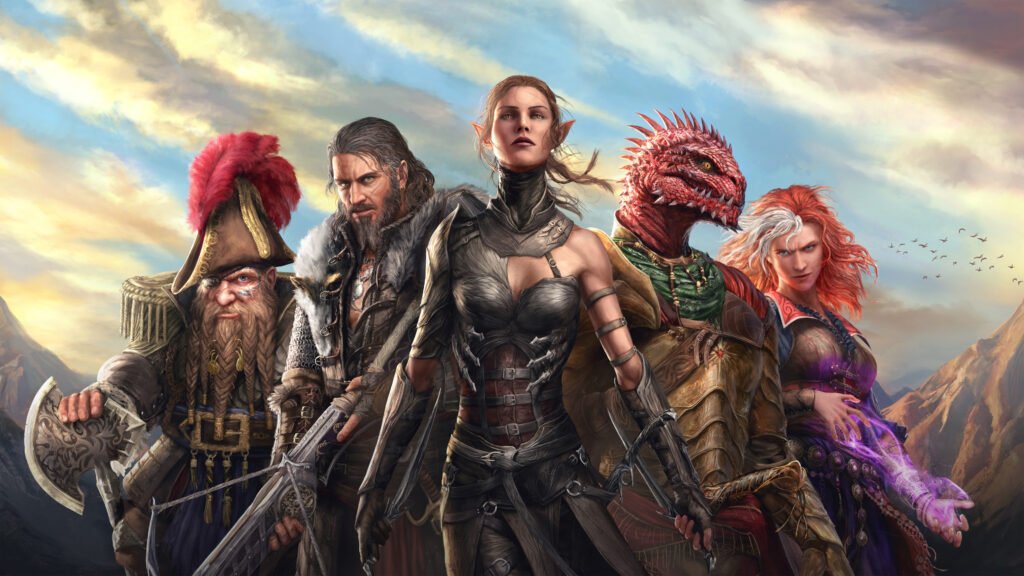
Quick Points
- 100% completion, not just credits
- 100+ hour games that work in short sessions
- Designed for 30-minute play windows
- Progress survives long breaks
- No grind or infinite replay loops
- Strong handheld and remote-play fit