


Best RPGs For When You Only Have an Hour to Play
Role playing games are often associated with long weekends, late nights, and sprawling adventures that demand time and attention. Many players think of the genre…
Diablo IV is a systems-driven action RPG built around character builds, loot optimization, and long-term progression across a shared open world. Its campaign introduces the world of Sanctuary, but the core experience expands through endgame systems, seasonal content, and build refinement.
This makes it a strong fit for the Investment Gamer who values layered progression and build experimentation, and the Sprint Player who benefits from structured dungeon runs and repeatable objectives. Whether you log in for a quick Nightmare Dungeon or commit to long-term character development, progression compounds steadily.
What keeps the momentum going is how cleanly Diablo IV settles into rhythm. Fights stay punchy and readable even when screens fill with chaos, and the steady drip of upgrades makes short sessions feel productive without flattening the challenge. Classes have enough room to evolve in meaningful ways, so experimentation usually feels rewarding rather than wasteful.
It shines brightest once combat systems, gear choices, and seasonal progression start feeding each other. Dungeons and side activities maintain a strong pull, though the road between standout encounters can blur into repetition, and the story rarely matches the conviction of the world around it. Even so, the endgame loop has real staying power because tuning a build remains satisfying long after the main campaign loses steam.
Diablo IV presents a darker, more grounded narrative than recent entries, but the campaign primarily functions as an introduction to its broader progression systems.
The story moves across a shared open world divided into regions filled with side quests, strongholds, and world events. While the narrative adds context, long-term engagement is driven by gear acquisition and character specialization rather than plot twists.
The campaign establishes systems that expand significantly after completion.
Combat centers on ability rotations, cooldown management, and synergy between skills and equipment. Each class supports multiple viable build paths that scale differently into endgame content.
Gear affixes, legendary aspects, and paragon boards add layers of optimization. For the Investment Gamer, experimentation and refinement become the core loop.
For the Sprint Player, short dungeon runs and world events provide contained objectives with immediate rewards.
Sanctuary is structured around repeatable activities rather than linear progression. Dungeons, Helltides, Legion events, and Nightmare content create scalable challenges.
Most activities can be completed in 15 to 30 minutes, making it possible to log in for a single focused session without committing to extended play.
Progress compounds through gear upgrades, renown systems, and seasonal mechanics, reinforcing long-term engagement while supporting flexible play windows.
Diablo IV operates in a shared open world where other players appear organically during events and exploration. Cooperation is optional but beneficial, especially during world bosses, Helltides, and high-tier content.
Group play accelerates efficiency but is not required for progression. PvP zones introduce risk-reward incentives rather than mandatory competition.
Multiplayer adds scalability without disrupting solo build development.
Character progression extends beyond a simple skill tree. Legendary aspects, item affixes, paragon boards, and glyph upgrades shape long-term specialization.
For the Investment Gamer, build optimization becomes the central loop. Adjusting gear, refining skill synergies, and chasing ideal affix combinations create measurable performance differences.
The system encourages experimentation while rewarding focused specialization.
Loot acquisition drives progression. Nightmare Dungeons, Helltides, and seasonal mechanics provide repeatable objectives that scale in difficulty and reward.
For the Sprint Player, individual activities can be completed in 15 to 30 minutes with clear outcomes. For the Investment Gamer, optimizing gear across higher World Tiers and seasonal resets supports extended engagement.
Progress is incremental but persistent. Power growth reflects system understanding rather than single boss victories.
A focused playthrough of Diablo IV’s main campaign typically takes 25 to 35 hours depending on pacing and optional content. Players who concentrate on the core story can complete it more quickly, while side quests and regional renown objectives extend that window.
The campaign functions as a foundation rather than the full experience. Character power and system depth expand significantly after its conclusion.
Once the campaign ends, Nightmare Dungeons, Helltides, World Tiers, and seasonal systems become the primary progression loop.
For the Investment Gamer, build optimization, paragon board refinement, and high-tier loot chasing can extend playtime well beyond 100 hours. Much of the long-term engagement comes from gear refinement rather than new story content.
Seasonal resets encourage new builds and experimentation rather than permanent stagnation.
Most activities in Diablo IV can be completed in 15 to 30 minutes. A single dungeon, world event rotation, or Helltide segment provides a contained objective with clear rewards.
For the Sprint Player, this structure allows meaningful progress in short sessions. For the Investment Gamer, repeated runs compound toward higher difficulty tiers and optimized builds.
The campaign is finite, but the progression systems are intentionally long-term.
Curious what Diablo IV is all about? The trailer gives you a great first look at the world, the vibe, and the kind of story you're stepping into.
These videos give some tips and pointers on getting started with Diablo IV
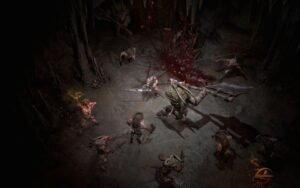
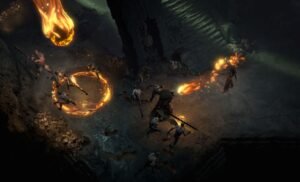
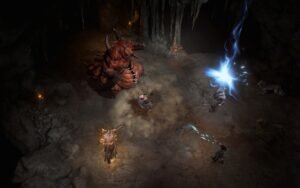
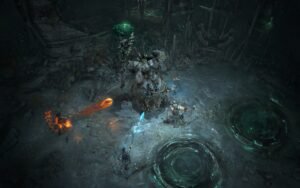
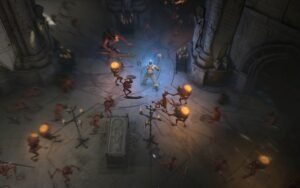
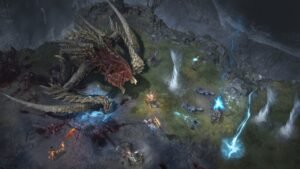
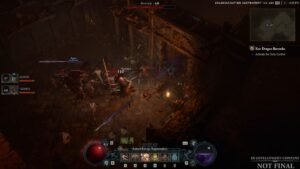
Want to see what Diablo IV actually looks like in-game? These screenshots will hopefully give you a feel for what the world of Diablo IV is like.
DLC just means more of a good thing. Here are some for Diablo IV
Vessel of Hatred introduces a new region of Sanctuary with its own questline, enemies, and environmental themes. Rather than functioning as a detached side story, the expansion feeds directly into existing progression systems.
New activities integrate with World Tiers, renown, and endgame loops. The structure remains consistent with the base game, preserving flexible dungeon and event pacing.
For the Sprint Player, individual objectives remain manageable within 20 to 30 minute sessions.
The expansion adds new class mechanics and additional skill interactions that meaningfully affect build variety. Itemization expands alongside these systems, introducing new affixes and gear combinations.
For the Investment Gamer, this increases long-term optimization depth. Paragon board choices and gear refinement become more complex without overwhelming accessibility.
Build experimentation remains central to progression.
Additional high-tier activities extend the difficulty curve beyond the base endgame. These systems emphasize efficiency, survivability, and synergy rather than raw damage alone.
Loot chase remains the primary motivator, but tuning and refinement matter more at higher tiers.
Vessel of Hatred functions as a structural expansion rather than a cosmetic addition. It reinforces the layered progression that defines Diablo IV while maintaining the repeatable session loops that support both the Investment Gamer and the Sprint Player.
The main campaign typically takes 25 to 35 hours. Endgame content, seasonal progression, and build optimization can extend playtime well beyond 100 hours.
Yes. Activities like dungeons, Helltides, and world events can usually be completed in 15 to 30 minutes, allowing meaningful progress in contained sessions.
Yes. Skill specialization, legendary aspects, and paragon board decisions significantly affect damage output, survivability, and endgame viability.
Both are viable. Group play increases efficiency in certain activities, but all core content can be completed solo. Multiplayer enhances speed rather than replacing solo progression.
Seasons introduce temporary mechanics, questlines, and balance adjustments. Characters created in a Season progress separately and later move to the Eternal Realm after the Season ends.
Great games dont have an expiration date. Take our quiz and we will find you the perfect game.
Take the QuizSome of the links on this site are Amazon affiliate links, which means if you click through and make a purchase, I may earn a small commission—at no extra cost to you. It’s a simple way to help support the site and keep the game recommendations coming. Thanks for your support!