
Some games reward preparation. Others reward experimentation. And then there are games that reward one specific skill above all else: timing.
If you are good at timing, you already know it. You tend to enjoy games where patience matters more than button mashing, where learning enemy patterns pays off, and where a single well timed input feels better than landing a dozen sloppy hits.
These games are not always easy, but they are fair. Failure usually feels earned. Success feels deliberate.
This list is built for players who thrive on reaction windows, precise inputs, and controlled execution. If timing is where you shine, these are the games that reward it the most.
Timing at a Glance
| Game | Timing Type | Difficulty |
|---|---|---|
| Sekiro: Shadows Die Twice | Fast reflex timing | High |
| Sifu | Reflex and reaction reads | High |
| Lies of P | Defensive precision | High |
| Dark Souls | Defensive and positional | Moderate |
| Elden Ring | Flexible timing mastery | Variable |
| Monster Hunter: World | Commitment based timing | Moderate |
| Hollow Knight | Tight execution windows | High |
| Cuphead | Pattern based timing | High |
| Hi-Fi Rush | Rhythmic timing | Moderate |
| Thumper | Relentless rhythm timing | High |
| Clair Obscur: Expedition 33 | Deliberate turn based timing | Moderate |
| Dead Cells | Fast but disciplined timing | Moderate |
Reflex Timing
Fast reactions, no hesitation
Sekiro: Shadows Die Twice
Sekiro is one of the purest timing games ever made. Progress is not gated by gear or stats, but by mastery of the Deflection system.
Boss fights like Genichiro Ashina turn into rhythm duels where pressing block at the exact moment of impact is more important than attacking. Deflect too early or too late and you lose posture control immediately.
What makes Sekiro special is its consistency. Every failure teaches you something concrete. If your reflexes are sharp and you enjoy learning through repetition, Sekiro rewards that skill more directly than almost any modern game.
Sifu
Sifu is built around fast reads and immediate reactions. Combat revolves around high and low dodge timing, parries, and counters that demand quick recognition rather than memorization.
Enemies telegraph attacks clearly, but the game gives you very little margin for error. Mistakes stack quickly, which makes improvement feel earned rather than accidental.
If you enjoy games where reaction speed and muscle memory matter more than long term progression systems, Sifu plays directly to that strength.
Defensive Precision Timing
Perfect blocks and clean defense
Lies of P
Lies of P is defined by its Perfect Guard mechanic. Blocking at the exact moment an attack lands is not just encouraged, it is required for consistent success.
Dodging is possible, but the game heavily rewards players who commit to defensive timing. Boss fights become pattern recognition challenges where discipline matters more than aggression.
If you enjoy staying calm under pressure and executing exact defensive inputs, Lies of P is one of the most satisfying timing focused games in the Soulslike space.
Dark Souls
Dark Souls is often remembered for difficulty, but at its core it is a timing and patience game.
Parries, rolls, and attack windows all depend on reading enemy animations and committing at the right moment. Panic rolling is punished. Overextending is punished.
Players who approach Dark Souls with disciplined timing often find it more manageable than its reputation suggests. It remains a foundational example of timing driven combat design.
Flexible Timing Mastery
Reading windows, choosing your moment
Elden Ring
Elden Ring rewards timing without forcing a single solution. Dodging, spacing, delayed attacks, parries, and positioning all depend on reading enemy behavior.
Players who avoid panic rolling and wait for real openings often experience a dramatically smoother game. Good timing lowers difficulty more than raw damage output ever will.
This flexibility makes Elden Ring especially appealing to experienced players who want challenge without rigid execution requirements.
Monster Hunter: World
Monster Hunter: World is a masterclass in commitment based timing.
Every weapon has recovery frames, and attacking at the wrong moment is often worse than not attacking at all. Learning monster patterns and waiting for true openings is the core skill.
If you enjoy timing that rewards restraint and deliberate execution, Monster Hunter: World offers some of the deepest satisfaction on this list.
Perfect Windows
Tight execution, no panic
Hollow Knight
Hollow Knight demands precision in both movement and combat. Attacks, dodges, and jumps all rely on tight execution windows.
The game rarely feels unfair, but it is unforgiving. Clean inputs matter more than upgrades, and improvement comes from repetition and discipline.
If you enjoy mastering exact windows and refining execution over time, Hollow Knight is one of the best examples of timing focused design.
Cuphead
Cuphead is built entirely around pattern recognition and timing windows.
Boss fights offer little room for improvisation. You learn the pattern, execute cleanly, and move on. Mistakes are punished immediately, but feedback is always clear.
For players who enjoy high intensity timing challenges, Cuphead remains brutally demanding and deeply rewarding.
Rhythm-Based Timing
Internal beat, not music skill
Hi-Fi Rush
Hi-Fi Rush rewards timing without requiring traditional rhythm game experience. Combat, dodges, and combos sync to a beat, but the game remains accessible.
Players with a strong internal sense of timing often feel at home immediately. Precision is rewarded, but failure never feels punishing enough to discourage experimentation.
It is one of the most approachable timing focused games on this list.
Thumper
Thumper strips rhythm down to raw execution.
There are no builds or combos, only survival through precise inputs under constant pressure. Timing slips are punished instantly.
If you enjoy intensity and exact execution, Thumper offers a uniquely demanding experience.
Deliberate Timing
Precision over speed
Clair Obscur: Expedition 33
Expedition 33 proves that timing does not require speed, but it does require attention. While the game is turn based, its combat includes real-time defensive input windows that trigger during enemy turns.
Attacks are planned deliberately, but defense is reactive. Parries and mitigations must be executed at the exact moment an enemy strike lands, meaning you cannot disengage just because it is not your turn. Success comes from staying focused, reading animations, and hitting precise timing windows consistently.
For players who enjoy turn based structure but still want execution to matter, Expedition 33 offers a rare blend of planning and real-time precision that makes it a natural fit for a timing focused list.
Dead Cells
Dead Cells blends speed with discipline.
Dodges, parries, and attack cadence all rely on clean timing. Players who stay calm and react deliberately tend to progress further than those who rush.
If you enjoy fast paced games that still reward controlled execution, Dead Cells strikes an excellent balance.
How to Know If These Games Are for You
You will likely enjoy these games if:
- You learn through repetition
- You enjoy reading enemy patterns
- You value clean execution over complex builds
- You feel satisfaction from perfect inputs
If you prefer forgiving systems or heavy planning over execution, these games may feel punishing rather than rewarding.
The Bottom Line
Timing is a skill, and not every game rewards it equally.
The games on this list do. They respect your ability to learn, punish mistakes fairly, and reward precision consistently.
If timing is where you excel, these are the games where that skill matters most.

About the Author
Robert Davis may be middle-aged now, but he has always enjoyed playing video games. Just like others may like to curl up with a good book, he just prefers a different medium for story-telling. Now that life is much busier, he has to be choosy about which games he spends time on. And that's why Delayed Respawnse exists, because he's not the only one.
View all posts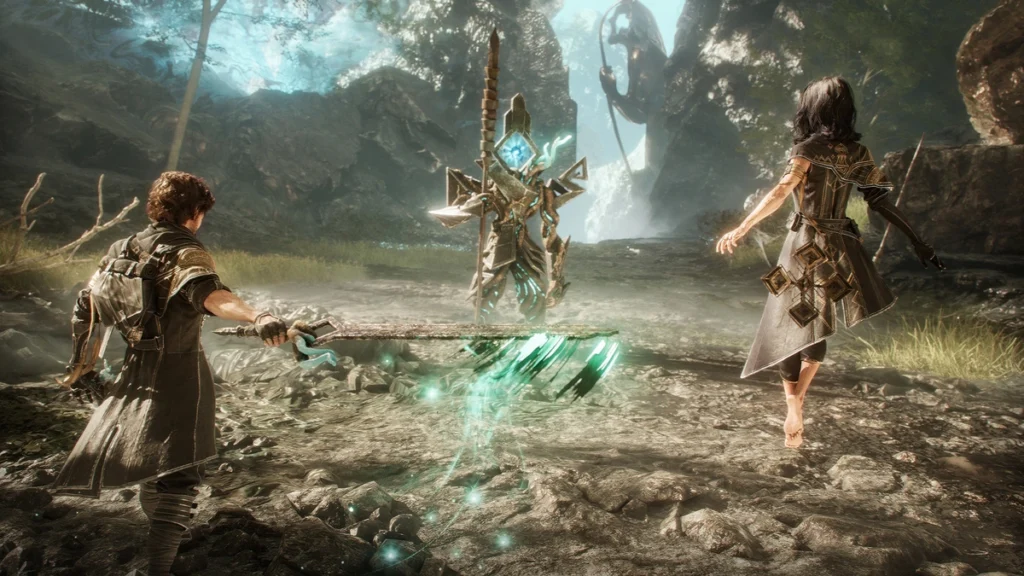
Quick Points
- Best for: Players who thrive on precise inputs and reaction windows
- Core skill rewarded: Timing over stats, builds, or button mashing
- Difficulty style: Fair but demanding, mistakes are usually on you
- Good fit if: You enjoy parries, dodges, perfect blocks, and pattern learning
- Not ideal if: You prefer forgiving systems or heavy planning over execution
- Range of styles: Real-time action, rhythm-based combat, and reactive turn-based systems