Delayed Respawnse
  • About
  • Articles
  • Games
  • Franchises
  • Respawnses
  • Tier Lists
What Game Should I Play?
  • Home
  • About
  • Articles
  • Games
  • Xbox
  • Playstation
  • Nintendo
  • PC
  • Franchises
  • Respawnses
  • How We Score Games
  • Tier Lists
  • Take Our Quiz
  • Join the Community
  1. Home
  2. /
  3. Games
  4. /
  5. Dragon Age: Origins

Dragon Age: Origins

Overall Rating: 4.39 • 1977 reviews
The Narrative Seeker The Investment Gamer

Dragon Age: Origins is a party RPG built around tactical pauses, harsh choices, and origin stories that change how the world meets you. Its slower, more deliberate combat and dense camp conversations give each companion arc room to breathe, while the chapter structure makes long-term progress feel clear even in shorter sessions.

Get It Now Join the Community

Details

Some of the particulars and information about Dragon Age: Origins.
Developer: BioWare
Release Date: November 3, 2009
How Long to Beat: 59 hrs

Great for:

The Narrative Seeker The Investment Gamer

Ratings

Some of the ratings and scores for Dragon Age: Origins.
91 Metacritic
8.7 IGN
-- Our Score

Genres

Adventure
Role-Playing Game

Systems

Here's where you can find Dragon Age: Origins and play.

ESRB: Mature

Sexual Content
Language
Blood
Intense Violence
Partial Nudity
Overview
Why Play?
How Much Time?
Overview

Dragon Age: Origins centers on tactical party control, dialogue-driven quest decisions, and origin-based character building across hub exploration, dungeon runs, and pause-and-play combat encounters

Why Play?

Dragon Age: Origins rewards your time with reactive origin storytelling and meaningful party relationships, making each choice feel personal while campaign progress stays satisfying across shorter sessions

How Much Time?

Dragon Age: Origins unfolds through story arcs, hub-based questing, and long tactical battles, with side content and origin choices making short sessions possible but extended runs rewarding

Pause And Positioning

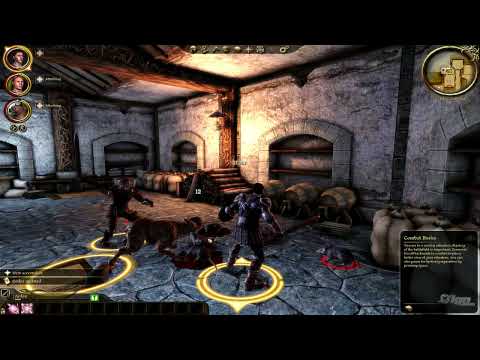
Dragon Age: Origins plays best when you treat battles like short tactical problems rather than real-time brawls. You can pause at any moment, line up abilities, swap targets, and set your party to lock down mages, hold choke points, or peel enemies off weaker allies. Even routine fights ask you to think about formation, status effects, and who needs to survive the opening seconds.

The pace is slower than many action RPGs, but that works in its favor. Each class has a clear job, friendly fire can matter, and a smart plan often beats fast reflexes. If you like combat that rewards attention without demanding perfect execution, this setup gives you room to think.

Origins Shape Your Run

Your chosen origin does more than set up backstory in Dragon Age: Origins. It changes your opening hours, adds different social context to later quests, and can make familiar locations feel personal in a way most RPG intros do not. The result is a character build that starts with identity, not just stats.

That focus continues through dialogue and party management. Major choices regularly reshape who supports you, how problems get solved, and what tone your campaign takes, while camp conversations slowly open up companion stories between missions. It is a game that gives narrative decisions mechanical weight, so talking, recruiting, and choosing sides feel tied to progress rather than separate from it.

Chaptered Progress With Payoff

The overall structure helps the game feel manageable despite its size. After the opening, you spend most of your time choosing major locations from a world map, tackling self-contained quest arcs, then returning to camp or hub spaces to regroup, shop, and check in with companions. That chapter-like rhythm makes it easy to finish a meaningful chunk in one sitting.

Progression also has a steady sense of payoff. New talents, better gear, and stronger party combinations arrive at a pace that keeps old encounters from blurring together, and each main region usually ends with a clear decision or boss battle that feels like real forward movement. Dragon Age: Origins is long, but it breaks that length into satisfying milestones.

Your Start Actually Matters

Dragon Age: Origins does more than give you a class and send you forward. Your opening hours define how people speak to you, what baggage your character carries, and why the larger conflict feels personal instead of abstract. That early framing gives the campaign a strong pull, because your role in the world feels earned from the start.

It also helps the story stay memorable over a long game. Major decisions land harder when they connect back to who you began as, and even smaller conversations can feel sharper because the game remembers where you came from.

Companions Carry The Journey

A lot of RPG parties are useful in combat and forgettable everywhere else. In Dragon Age: Origins, camp scenes, approvals, arguments, and loyalty all turn your group into the real reason to keep moving. You are not just collecting party members for skills, you are managing a set of personalities that can surprise, disappoint, or genuinely win you over.

That makes downtime valuable rather than optional. Even a short session can feel productive if it ends with a major talk, a companion breakthrough, or a hard choice that changes how someone sees you.

Long RPG, Clear Momentum

Dragon Age: Origins works well if you want a substantial RPG without feeling lost inside it. Its major quest arcs are broken into distinct regions and problems, so you usually know what you are working toward and can make solid progress in manageable chunks.

The slower pace helps here. Because battles, conversations, and quest hubs all ask for deliberate attention, the game rarely feels like disposable filler. When you finish a chapter, settle a political dispute, or reshape your party build, it feels like real movement rather than just more map cleared.

Main Story Playtime

A focused run through Dragon Age: Origins usually lands around 35 to 45 hours, with most players ending closer to 40 if they spend time on companion talks and major side quests. The campaign moves through large story regions from a central hub structure, so progress tends to come in clear chunks: recruit allies, work through a local crisis, return to camp, then move on to the next chapter.

It is a good fit for sessions of 60 to 90 minutes because quests often break into discrete travel, dialogue, and battle segments. Longer stretches of 2 hours or more work better for dungeon-heavy areas and tougher encounters, but the game still gives you natural stopping points after camp conversations, town visits, or finishing a major objective chain.

Completion and Replay Time

Seeing most optional content pushes Dragon Age: Origins into the 55 to 70 hour range, while a thorough run can reach 80 hours or more. Extra time comes from companion quests, optional area cleanup, codex-heavy exploration, tougher fights that benefit from more tactical planning, and the temptation to follow different dialogue paths instead of rushing forward.

Replay has real weight here because each origin changes your opening hours and adds a different personal angle to the larger story. Party builds, romance choices, political decisions, and alternate outcomes for key regions can make a second run feel meaningfully different rather than just longer.

Trailer

A Quick Look at Dragon Age: Origins

Curious what Dragon Age: Origins is all about? The trailer gives you a great first look at the world, the vibe, and the kind of story you're stepping into.

Dragon Age: Origins Trailer
Videos

Related videos for Dragon Age: Origins

These videos give some tips and pointers on getting started with Dragon Age: Origins

Is Dragon Age Origins Still WORTH PLAYING? (2024 Review)

Big Dan Gaming

Dragon Age: The Veilguard - Before You Buy

gameranx

Dragon Age: Origins Review

IGN

Should You Play The PREVIOUS Dragon Age Games Before Veilguard?

Kaganath
Backbone One

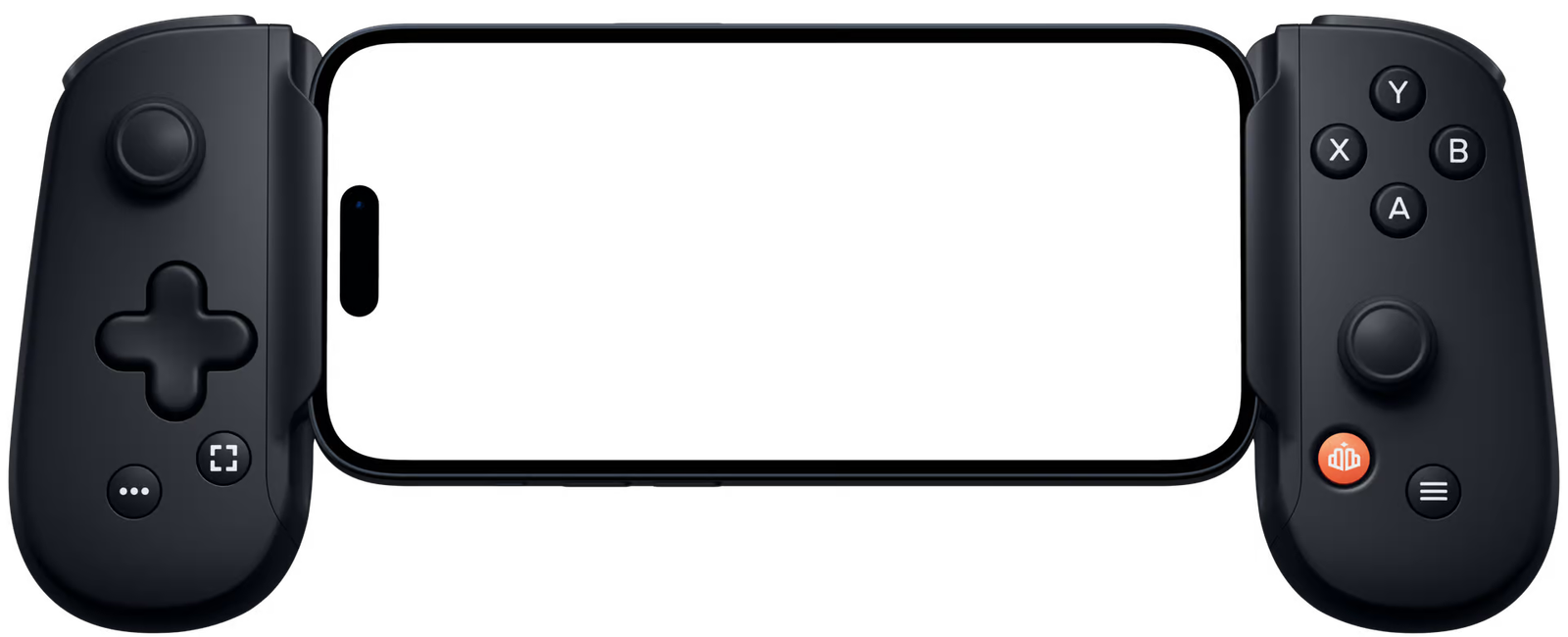
Competing For the TV at Home? No Problem! Here's How You Can Play Dragon Age: Origins on your phone.

You don't have to compete with the family for the TV to play console games anymore. With the Backbone One, your phone becomes your Xbox or PS5 controller, giving you the freedom to pick up and play when life gives you a spare moment. It's how we get most of our playtime in.
Backbone Backbone
Get Yours Today
Screenshots

Screenshots of Dragon Age: Origins

Want to see what Dragon Age: Origins actually looks like in-game? These screenshots will hopefully give you a feel for what the world of Dragon Age: Origins is like.

Dragon Age: Origins
Dragon Age: Origins
Dragon Age: Origins
Dragon Age: Origins
Dragon Age: Origins
Extras

Downloadable Content for Dragon Age: Origins

DLC just means more of a good thing. Here are some for Dragon Age: Origins

Dragon Age: Origins - Ultimate Edition
Dragon Age: Origins Awakening

Dragon Age: Origins - Ultimate Edition

What’s Included

Dragon Age: Origins – Ultimate Edition is the complete package for the original game. It bundles the base campaign with the Awakening expansion and the main DLC packs, including story content like Leliana’s Song, Witch Hunt, and The Golems of Amgarrak, plus smaller add-ons such as The Stone Prisoner, Warden’s Keep, and Return to Ostagar.

This means extra party members, more quests, new areas, and a proper post-campaign expansion rather than a single small add-on.

Is It Worth It

Yes, if you want the full version of Dragon Age: Origins. Awakening is the key part here, since it continues the story in a substantial way and fits naturally after the main campaign. The Stone Prisoner and Warden’s Keep also feel worthwhile during a normal playthrough.

The smaller side stories are more optional, but having everything in one edition makes this the best way to play if the price is reasonable. It is much more meaningful than a standard cosmetic or challenge pack.

Dragon Age: Origins Awakening

What’s Included

Dragon Age: Origins Awakening is a full expansion rather than a small add-on. It continues the story after the base game, puts you in command of the Grey Wardens, and takes place in a new region called Amaranthine. It introduces new companions, new enemies, higher level progression, and extra specialization options for building your character.

It plays like a proper second campaign with its own quests and party, not a side mission pack. If you wanted more of Origins’ combat, party banter, and choice-driven quest structure, this delivers that in a familiar format.

Is It Worth It

Yes, if you liked the base game and want a substantial follow-up. Awakening feels like a natural extension of Dragon Age: Origins, with enough story and character content to justify the time. It is one of the more meaningful pieces of Dragon Age DLC because it stands as a genuine expansion.

If you only want the main story and are ready to move on, it is still optional. But for anyone who finished Origins and wanted one more solid campaign, this is the DLC most worth picking up.

Frequently Asked Questions

Have Questions About Dragon Age: Origins?

Does Dragon Age: Origins include multiplayer or co-op?

No. Dragon Age: Origins is a fully single-player RPG built around party management, companion dialogue, and solo decision-making. If you want a shared campaign or online play, this is not that kind of experience.

Do you need to play other Dragon Age games first?

No. Dragon Age: Origins works well as a starting point because it introduces the setting, major factions, and core conflicts from the ground up. Later games gain extra context from it, but this story stands on its own.

How open is the game world?

It is not one seamless open world. You travel between major regions from a central map, then explore self-contained towns, camps, and dungeons with their own quests and storylines. That structure makes it easier to focus on one area at a time.

How difficult is Dragon Age: Origins if you are mainly here for the story?

It can be demanding on higher settings, especially when enemy mages or large groups catch you unprepared. The good news is that difficulty options let you ease the pressure, and lower settings make it much more manageable if you care more about choices and character moments than hard fights.

What version of Dragon Age: Origins should you get?

The Ultimate Edition is usually the easiest recommendation because it bundles the base game with its major expansions and DLC. If you end up liking the world and companions, that extra content adds meaningful story material instead of just small bonuses.

Franchise

Explore More From Dragon Age

Dragon Age: The Veilguard
Dragon Age: Inquisition
It's Never Too Late to Start Playing.

Not What You're Looking For?

Great games dont have an expiration date. Take our quiz and we will find you the perfect game.

Take the Quiz
Related Games

Other Games You Might Enjoy

If you like Dragon Age: Origins, then you may like these ones as well.

Delayed Respawnse

Some of the links on this site are Amazon affiliate links, which means if you click through and make a purchase, I may earn a small commission—at no extra cost to you. It’s a simple way to help support the site and keep the game recommendations coming. Thanks for your support!

Copyright © 2026 Delayed Respawnse. All Rights Reserved.

Platforms

  • Xbox
  • Playstation
  • Nintendo
  • PC

About

  • About
  • Privacy Policy
  • Terms and Conditions
  • Sitemap

Find Your Next Game

  • Take Our Quiz
  • Quiz Results
  • How We Score Games