
Some players sample.
Others commit.
At Delayed Respawnse, the Investment Gamer is not defined by raw hours played, but by intention. You choose one major experience and give it your attention. You learn its systems. You accept the opportunity cost of ignoring other games because the long arc is the reward.
Investment-primary games are built for players who enjoy:
- Layered mechanics that unfold gradually
- Meaningful character progression
- Strategic planning across dozens of hours
- Emotional or systemic payoff that compounds over time
- Mastery earned through commitment
These are not games you dip into casually. They are games you live inside.
The Investment Gamer on Handheld


For the Investment Gamer, continuity matters more than convenience.
When you commit to a 60, 80, or 120-hour experience, you want consistency. You want to remain inside that world. Breaking immersion because you had to leave your desk can weaken that long arc.
Devices like the Steam Deck make deep games portable without fragmenting the experience. You are not starting a side game while traveling. You are continuing Baldur’s Gate 3. You are refining your build in Diablo IV. You are advancing one save file, not splitting attention.
Remote play paired with a Backbone controller serves a similar purpose. It allows you to keep momentum in a single, primary game even when you are away from your main setup. That continuity reinforces commitment rather than diluting it.
For Investment Gamers, handheld is not about shorter sessions. It is about protecting the long arc. When your hardware lets you stay in the same world wherever you are, commitment becomes easier to sustain.
1. Baldur’s Gate III
Baldur’s Gate III rewards patience from the first hour.
Character creation alone signals its intent. Class, subclass, background, race, dialogue tone, and moral direction all ripple forward. Combat is turn-based and system-driven, meaning positioning, spell synergy, terrain interaction, and party composition matter deeply.
The investment pays off in branching outcomes. Companion arcs shift based on how you treat them. Entire quest lines evolve depending on your decisions. Late-game consequences often trace back to choices made dozens of hours earlier.
It is not simply long. It is layered. The more time you spend understanding its systems, the more cohesive the experience becomes. By the final act, your character feels authored rather than assigned.
That ownership is the reward.
2. Elden Ring
Elden Ring thrives on sustained exploration.
The Lands Between is massive, but its size is not the point. The density is. Hidden catacombs, optional bosses, secret NPC questlines, and alternate weapon paths encourage long-term engagement.
Build experimentation is central. Strength, dexterity, intelligence, faith, and arcane all shape combat differently. Ashes of war modify movesets. Talismans alter playstyle. Over time, your character becomes a reflection of deliberate choices rather than default progression.
The sense of investment deepens when you revisit early regions and recognize how far you have come. Bosses that once felt impossible become manageable. Areas that once intimidated become familiar.
Growth feels earned because it is.
3. Persona 5 Royal
Persona 5 Royal is structured around long-term rhythm.
Its calendar system forces you to manage time carefully. Spending an afternoon strengthening a social link means sacrificing another opportunity. Persona fusion becomes increasingly complex, encouraging strategic planning rather than reactive play.
Combat builds upon layered mechanics. Exploiting weaknesses, chaining baton passes, optimizing persona loadouts, and balancing team composition reward sustained attention.
The story unfolds over more than 100 hours, but it remains cohesive because every relationship and dungeon contributes to the broader arc. The investment is not just in mechanics. It is in people.
By the end, your party feels like a shared history rather than a cast of characters.
4. Civilization VI
Civilization VI converts hours into eras.
Early city placement decisions ripple across centuries. A poorly chosen location can slow growth. A well-positioned capital can dominate trade routes or secure military advantage.
Victory conditions encourage strategic foresight. Cultural victories demand tourism and influence. Scientific victories require research optimization. Domination victories demand careful military planning.
Every turn compounds previous decisions. You are not reacting moment to moment. You are shaping a civilization’s trajectory.
The longer the campaign runs, the clearer your strategy becomes. When victory arrives, it reflects dozens of layered choices made over hours of intentional play.
5. Red Dead Redemption 2
Red Dead Redemption 2 is about immersion through duration.
Its pacing is deliberate. Travel unfolds slowly. Conversations linger. Hunting, fishing, and camp interactions build atmosphere rather than urgency.
The investment lies in emotional weight. Arthur Morgan’s journey gains power because you have spent time with him. The world feels tangible because you have traversed it repeatedly.
Side stories reinforce the main arc rather than distract from it. Even optional activities deepen your connection to the setting.
This is not a game designed for efficiency. It is designed for presence. Commitment transforms its slow pacing into meaningful immersion.
6. Diablo IV
Diablo IV begins simply but evolves into long-term build optimization.
Skill trees branch into distinct archetypes. Legendary aspects modify abilities dramatically. Endgame systems encourage refining gear and experimenting with new synergies.
The investment is iterative. You adjust builds. You chase specific stat combinations. You refine your character to match a vision.
Seasons introduce new mechanics, extending the lifecycle of your commitment. Even if you pause between seasons, returning feels like stepping back into a familiar system that still offers room for improvement.
Progress is not linear. It is sculpted.
7. XCOM 2
XCOM 2 demands strategic loyalty.
Every soldier carries a role. Rangers scout and strike. Sharpshooters provide long-range control. Specialists support and hack. Losing a veteran soldier impacts morale and tactical flexibility.
Research paths, facility construction, and global resource management operate alongside battlefield decisions. A single mistake can cascade across future missions.
The campaign arc builds tension slowly. Each operation feels connected to the broader war effort.
Commitment transforms risk into narrative. The longer you stay, the more meaningful each victory and loss becomes.
8. Stardew Valley
Stardew Valley rewards consistency.
Your farm begins modestly. Over seasons, you optimize crop rotations, animal production, artisan goods, and layout efficiency. Relationships with townspeople deepen gradually, unlocking new scenes and story moments.
The investment is cumulative. Infrastructure expands. Income stabilizes. Seasonal planning becomes intuitive.
There is no rush, but there is progression. A year in Stardew Valley represents dozens of real hours, and each season builds upon the last.
It becomes less about making money and more about shaping a life.
9. Dragon’s Dogma II
Dragon’s Dogma II emphasizes vocation depth and exploration.
Switching vocations radically alters combat identity. Fighter, Sorcerer, Thief, and Mystic Spearhand each demand different positioning and rhythm. Pawn management introduces an additional strategic layer, as companion builds directly affect encounter outcomes.
The world rewards repeated engagement. Revisiting areas with new abilities opens alternate routes and hidden encounters.
Investment here means experimentation. The longer you play, the more confident you become in shaping your party and confronting large-scale battles.
Mastery emerges slowly but decisively.
10. Final Fantasy XIV
Final Fantasy XIV operates on a multi-expansion arc.
Story chapters build sequentially, deepening themes and character relationships across years of content. Jobs evolve with new skills and rotations. Raids and trials require mechanical understanding and coordination.
The investment extends beyond mechanics into community. Guilds, static groups, and shared progression create long-term bonds.
Even if approached casually, the structure supports extended commitment. Gear progression, narrative chapters, and job mastery all compound over time.
Few games reward loyalty as clearly as this one.
What Investment-Primary Games Share
Investment-primary games respect commitment.
They unfold slowly. They layer systems intentionally. They reward attention paid over time rather than quick bursts of efficiency.
They ask you to choose them.
And if you do, they repay that choice with depth, growth, and cohesion that only sustained engagement can create.
If you prefer one major experience over a rotating library, these games are designed for that mindset.

About the Author
Robert Davis may be middle-aged now, but he has always enjoyed playing video games. Just like others may like to curl up with a good book, he just prefers a different medium for story-telling. Now that life is much busier, he has to be choosy about which games he spends time on. And that's why Delayed Respawnse exists, because he's not the only one.
View all posts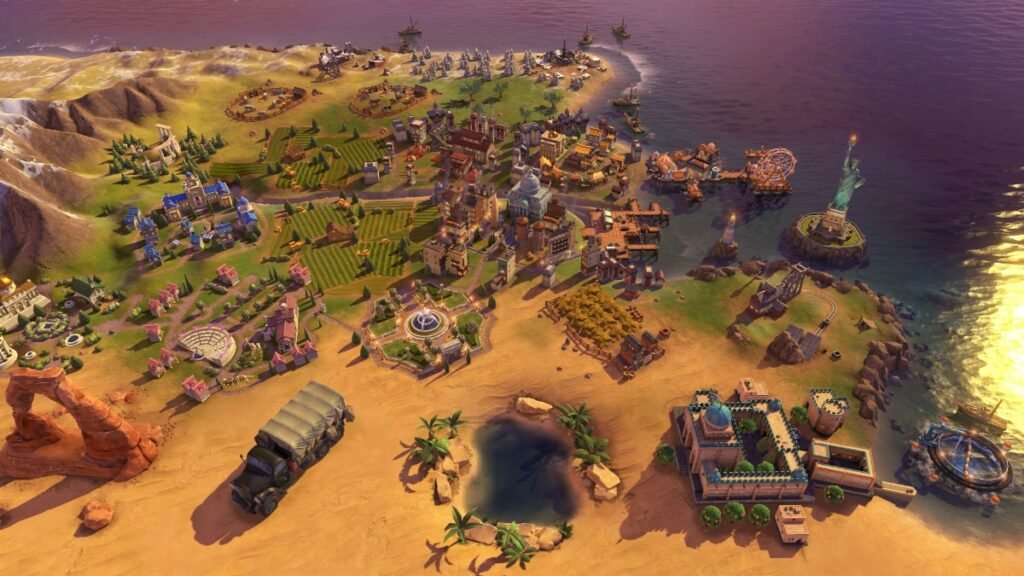
Quick Points
- Investment Gamers commit to one major experience at a time
- Depth compounds over long play arcs
- Strategic and narrative layers reward sustained focus
- Opportunity cost is intentional, not accidental
- Mastery emerges gradually rather than instantly